2015
Enrique Ciapara (or The Joy of Living or la joie de vivre)
The eye is not satisfied with seeing, nor the ear with hearing
Ecclesiastes
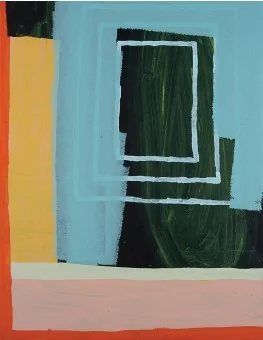
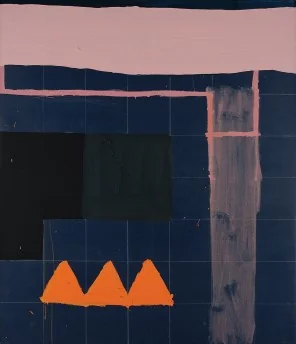
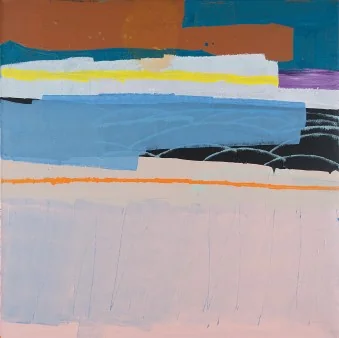
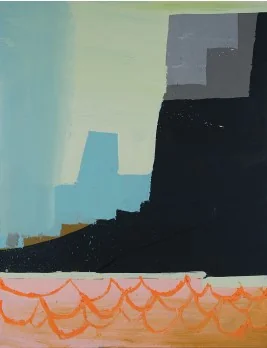
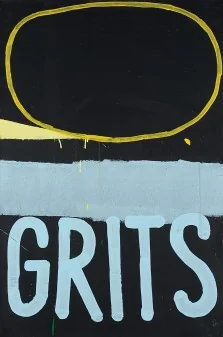
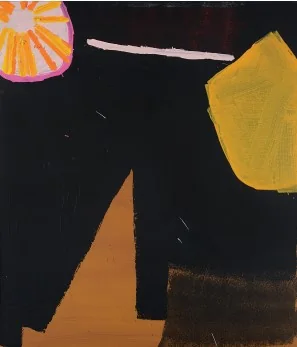
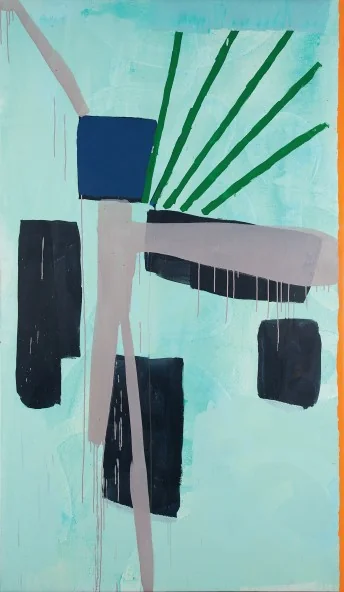
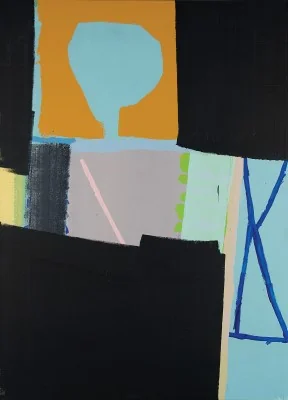
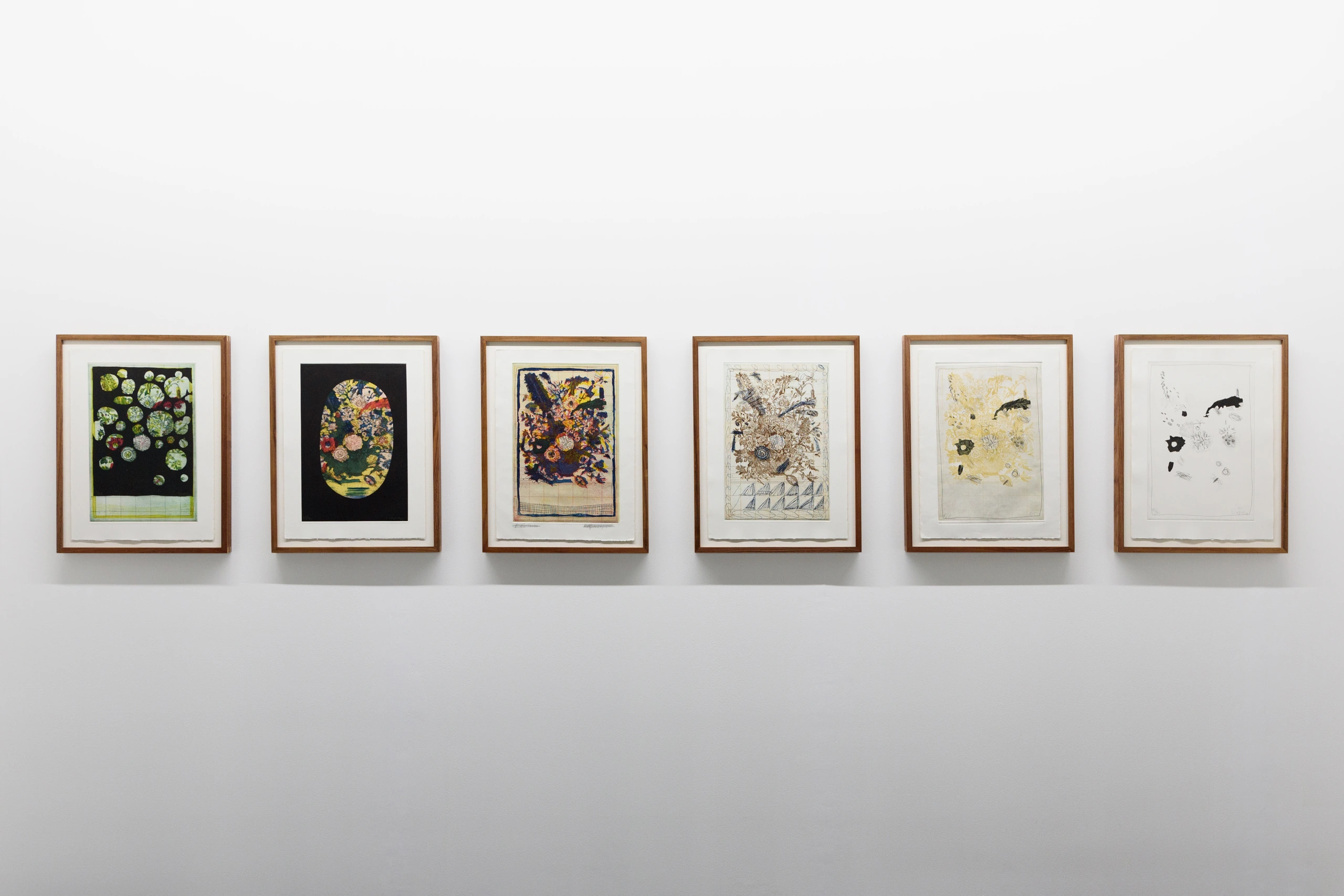
Over nine consecutive years, during my twice-yearly trips to Tijuana, I have seen and followed attentively the creative, visual, plastic process of Enrique Ciapara. I have also seen paintings he made before that time. Through this observation I have found something fundamental in his entire trajectory to date: a great artistic coherence. This does not mean his work has not changed during all this time, but rather that his paintings, though distinct, bear the Ciapara mark. What does this mark consist of? Here are some ideas.
1. Toward monotony in Ciapara.
The word monotony almost always carries a negative, pejorative connotation. However, if we take the quote from Argentine poet Hugo Gola (when he writes about Juan L. Ortiz) and use it to define the work of a painter, that painter ought to feel flattered to be called a monotonous painter. Gola's quote:
"In his essay 'Tienen razón los literatos,' Cesare Pavese says: 'Every authentic writer is splendidly monotonous in that his pages are governed by a mold he always returns to, a formal law of fantasy that transforms the most diverse material into figures and situations that are almost always the same.' If this statement is true, as we truly believe it to be, Juan L. Ortiz is, without a doubt, an authentic writer. His task always consisted in transforming the diverse material at his disposal—vast and ever-renewed—into figures and situations that are almost always the same, offering proof of a splendid monotony."
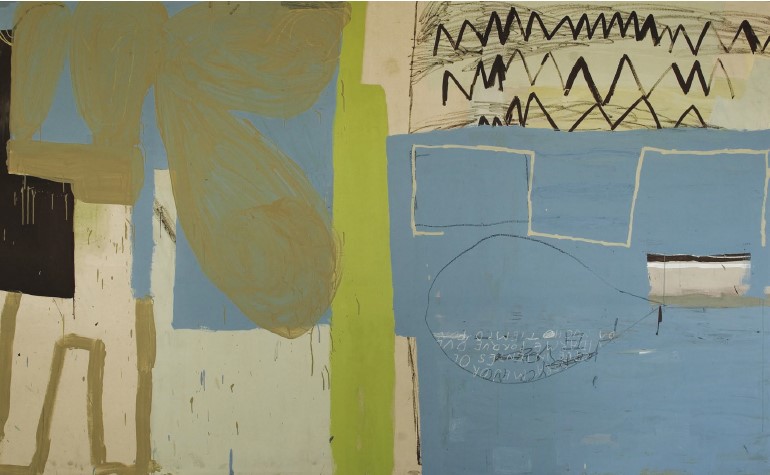
We take Gola's quote at face value and affirm that Enrique Ciapara is an authentic painter, since his canvases are governed by a formal law of fantasy that transforms the diverse material at his disposal into forms, spaces, figures, and lines that are almost always the same, offering proof of a splendid monotony, or formal coherence.
2. What is the material at his disposal, or the motifs with which Ciapara works?
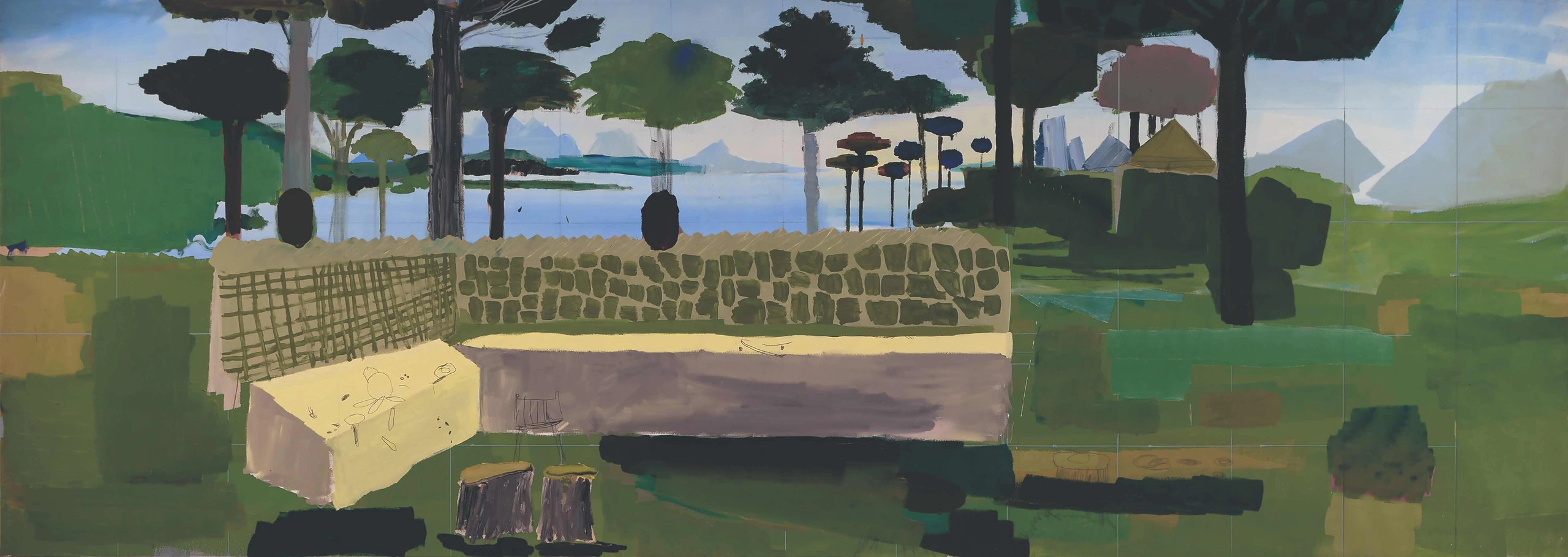
a) The landscape of Baja California. The countryside with few trees. The empty spaces of the countryside with sparse elements, like a still life with minimal components.
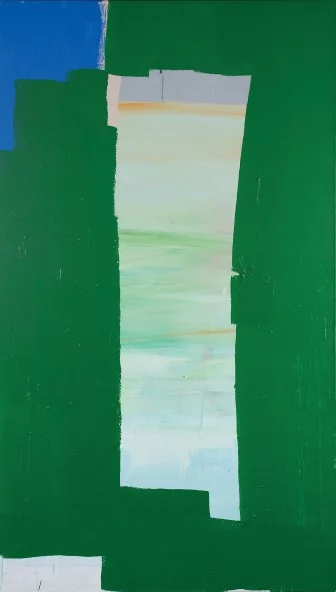
b) The architecture of Tijuana, the worn colors of some walls, the faded tones, the subtlety of colors bleached by the sun. The earthy green that shifted toward a pale green under the terrible summer sun, under the winter dew in Tijuana.
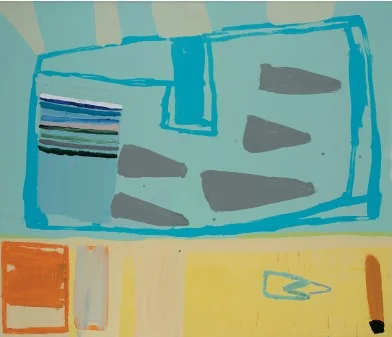
c) Architecture again: the juxtaposed planes of found materials— diverse, made of plywood and plastic, iron and aluminum—that Ciapara sees, ceaselessly, in the provisional or spontaneous architecture of many Tijuana neighborhoods.
d) Another material: kitchen objects. Pots, casseroles, frying pans, spatulas, spoons, ladles, vegetable peelers, whisks—these are instruments that invite him to paint. Sometimes we find these instruments in his paintings, rendered flat, non-imitative, two-dimensional, schematic, synthetic. It is no coincidence that his printmaking studio is called La Brigada, referring to la brigade de cuisine (the kitchen brigade), and that its logo is the bone of a cured ham leg—obviously, already eaten.
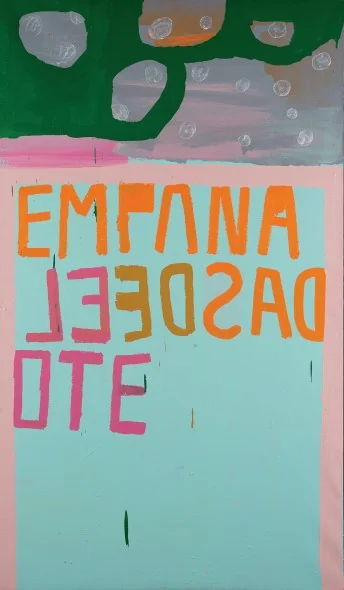
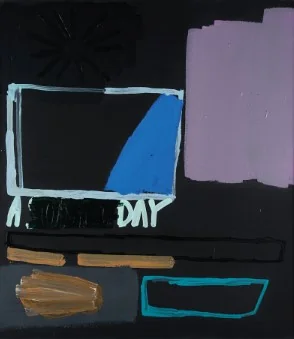
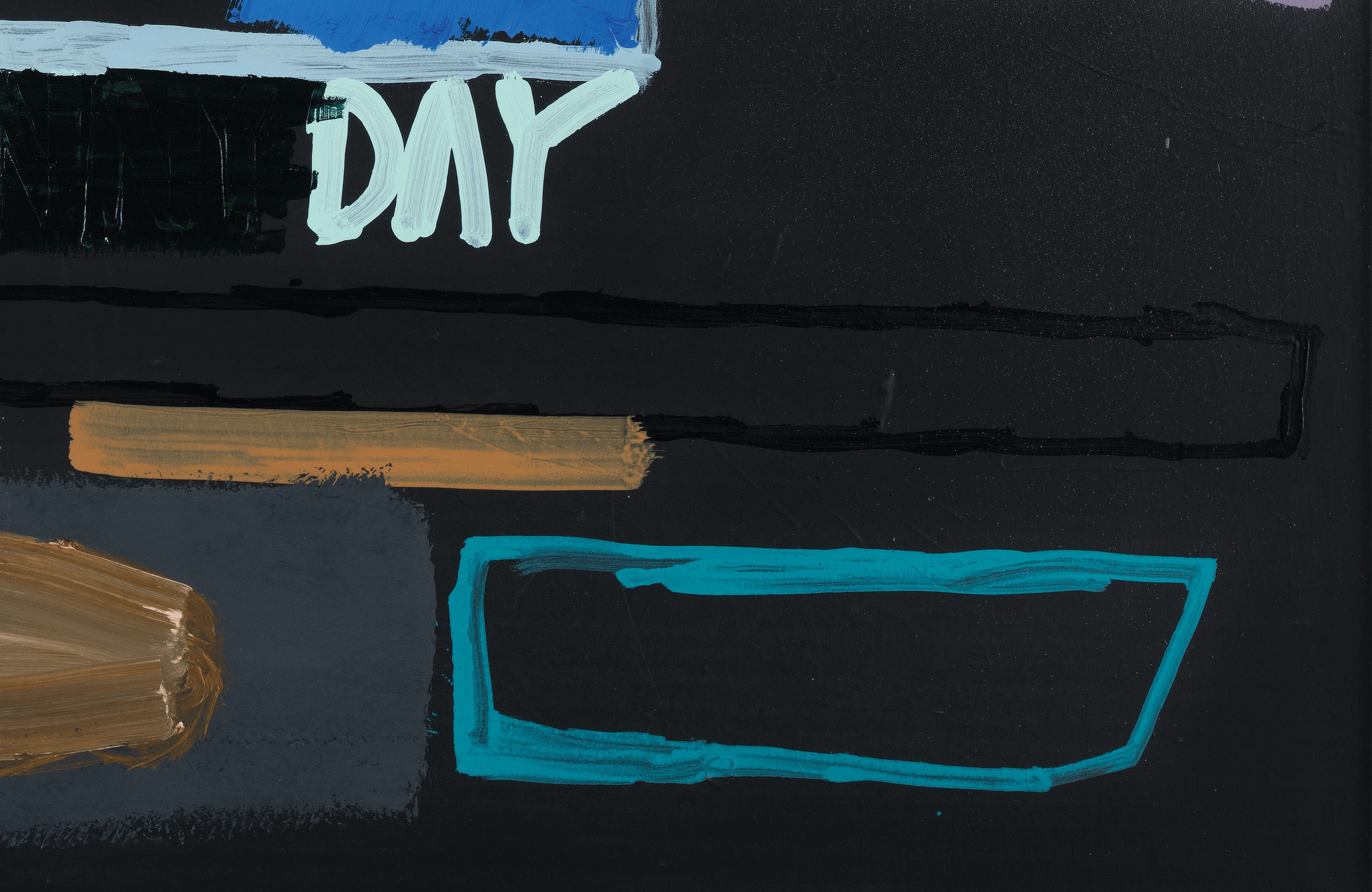
e) The lettering of signs that still survive in Tijuana serves as a source of inspiration for the painter: they denote and connote a specific space, a place. The commercial signs and the crooked letters written on them are also a visual stimulus: we might say that the sign painters or shop assistants in the city who make those signs express a vision of life, a way of being of a specific area—something that Ciapara, as a master of seeing, gathers and condenses into works of what we will call imperfect beauty, as Hugo Padeletti wished. The great filmmaker C.T. Dreyer already said this conclusively, and it aligns with what the Tijuana painter does:
"Undoubtedly, we all agree that cinema, as we know it today, is not perfect. But that is cause for joy, because the imperfect implies evolution. The imperfect lives; the perfect is dead, out of competition—we need not worry about it. In the imperfect there are thousands of possibilities in conflict…"
We, as viewers of painting, say that the imperfect beauty in Ciapara's work is a cause for joy.