TrompeL'œil
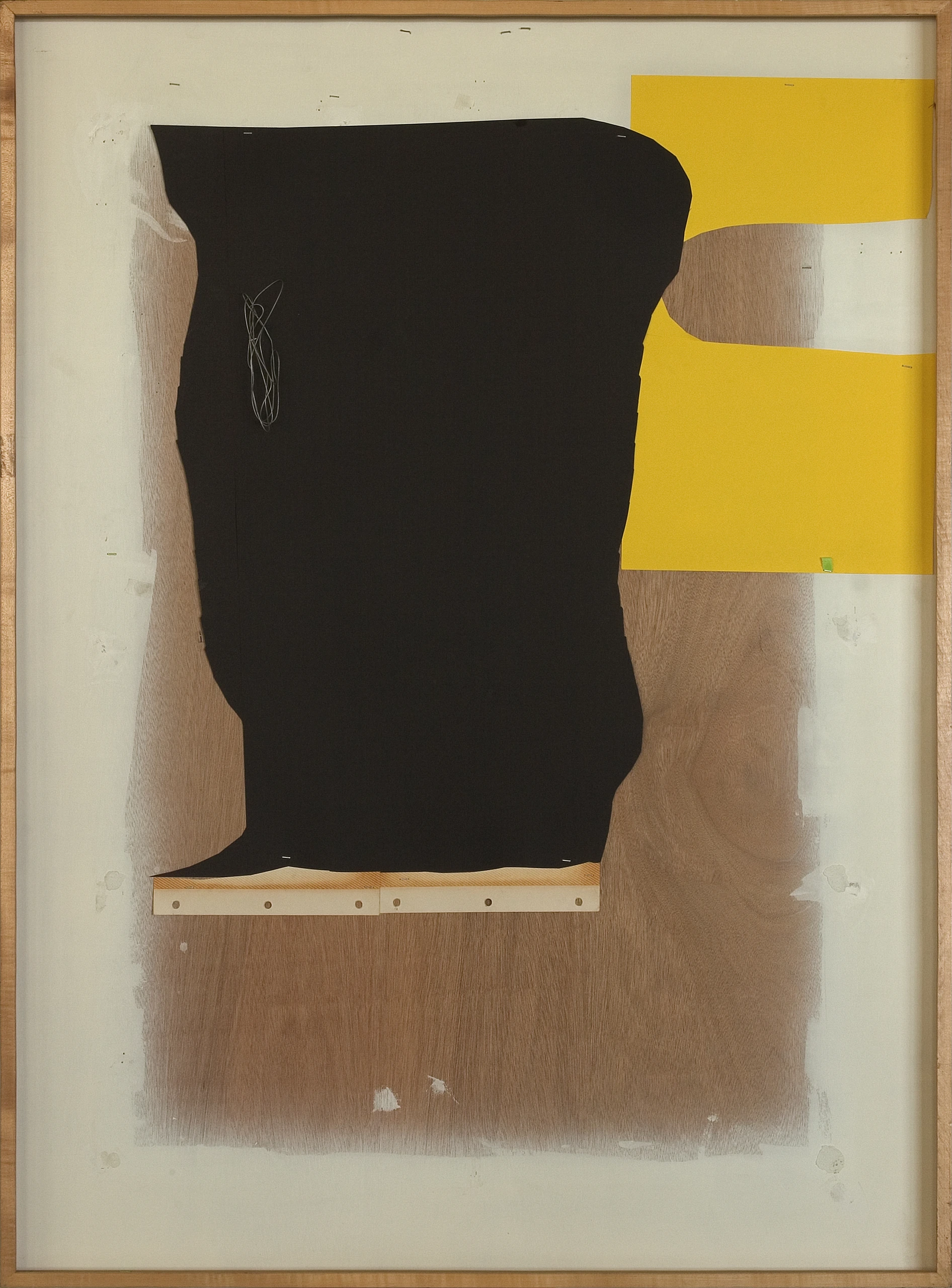
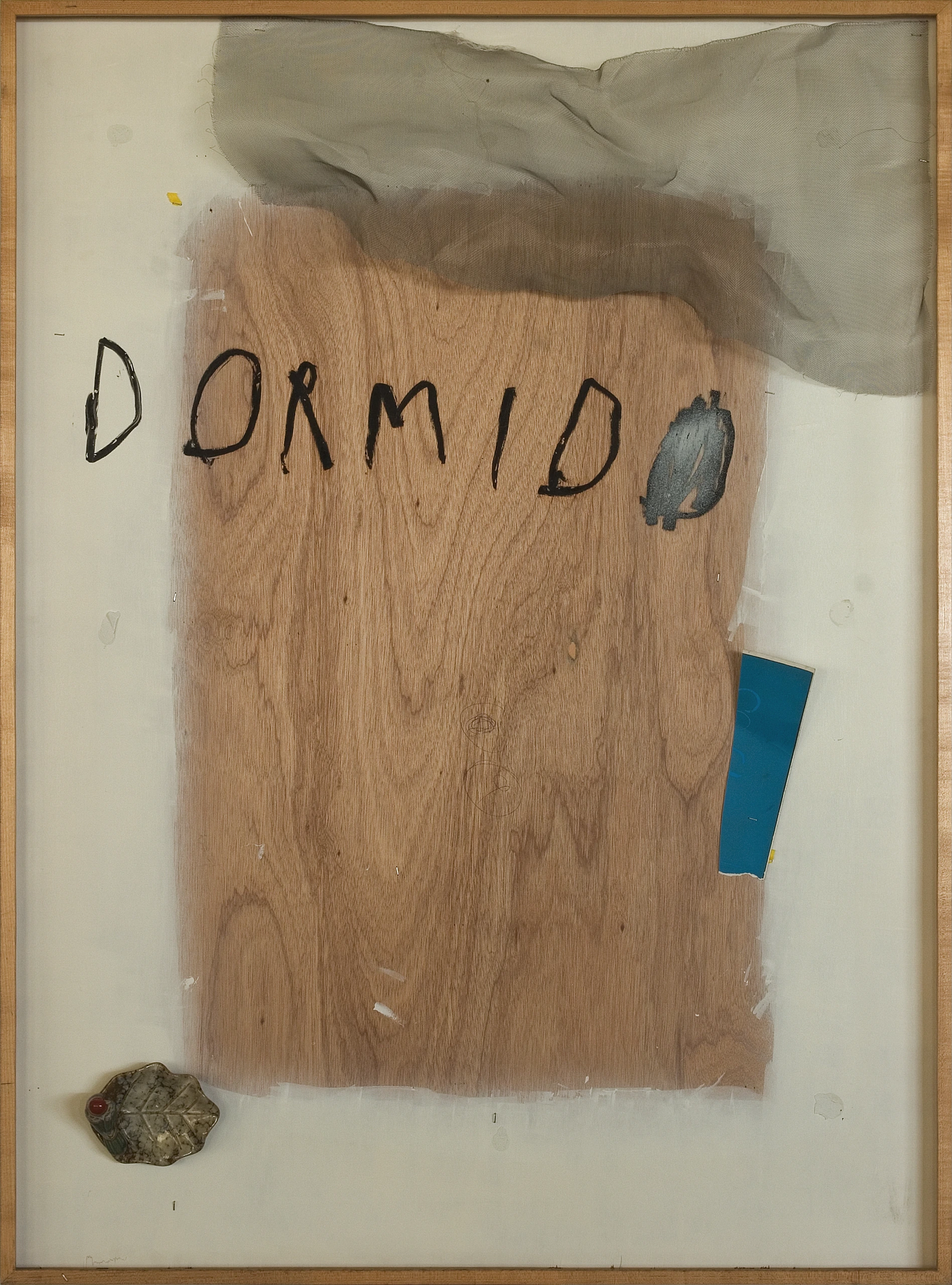
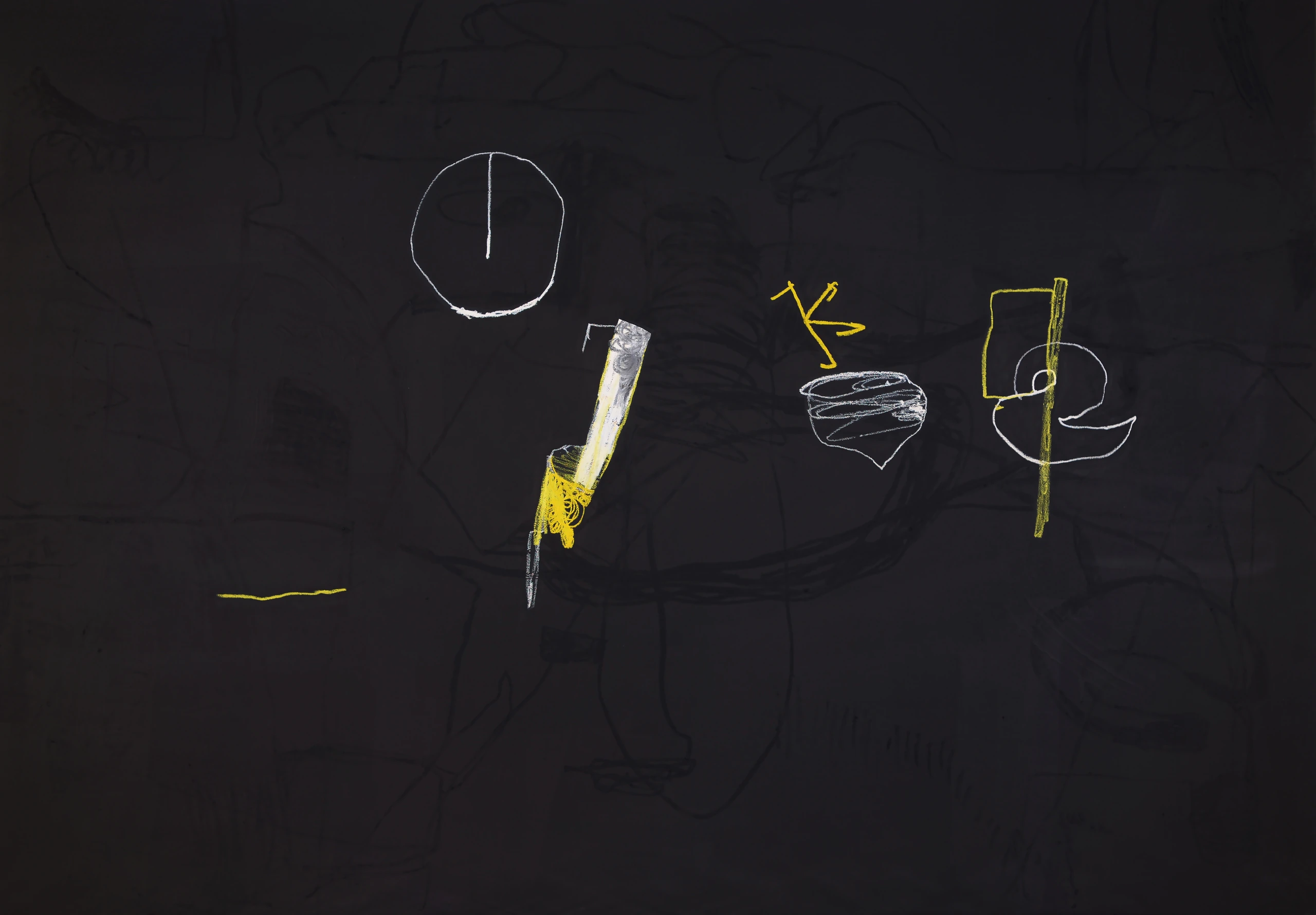
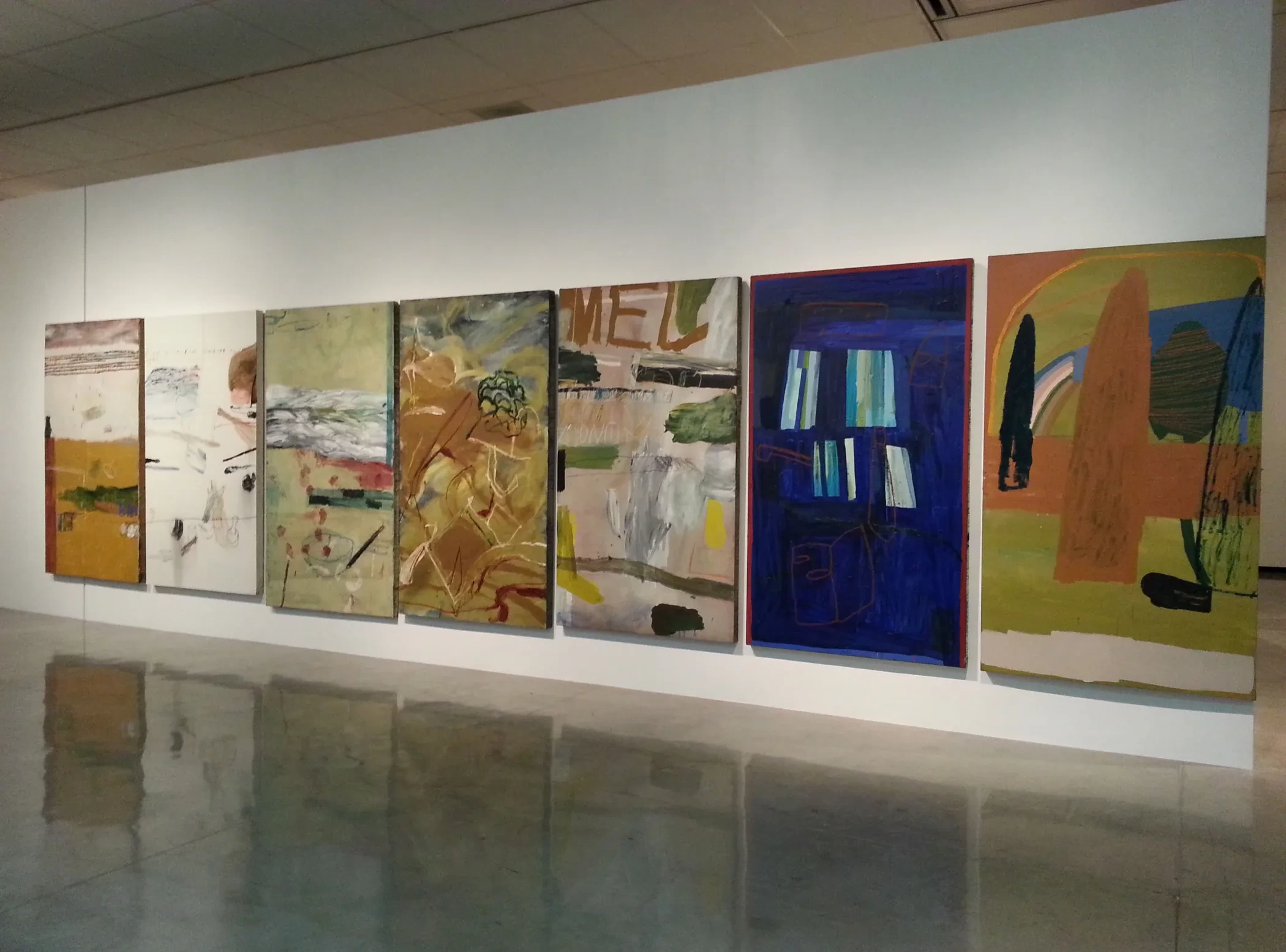
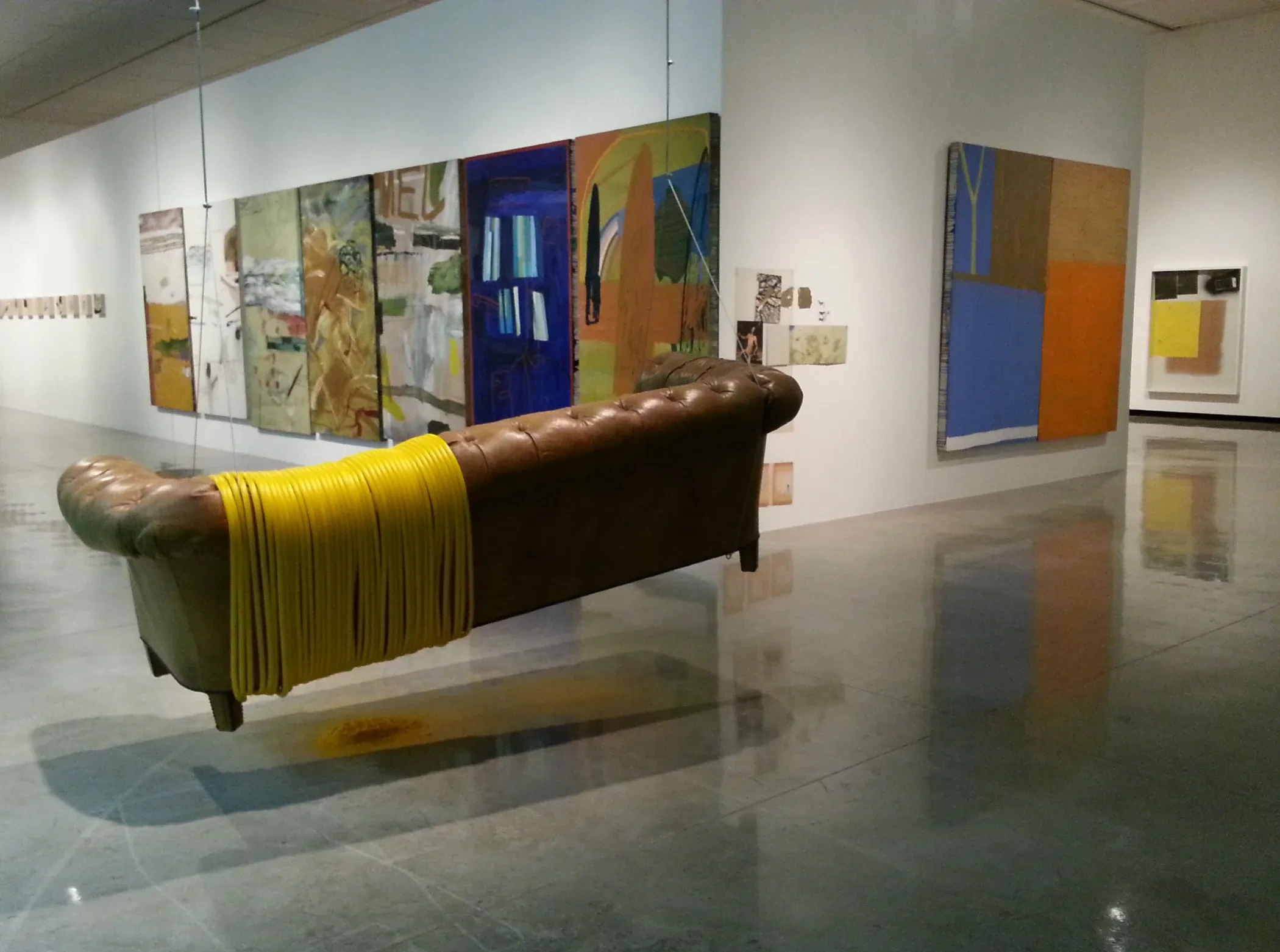
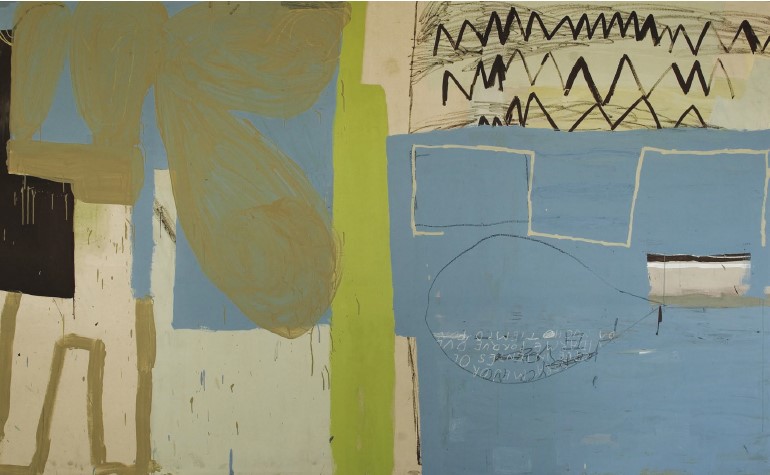
Enrique Ciapara's painting reclaims what does not belong to painting and articulates itself as a language that obeys no defined grammar. The words that come to mind when we observe his work establish a vocabulary of contours and colors where a circle can be the origin of an idea, an apple, or a star.
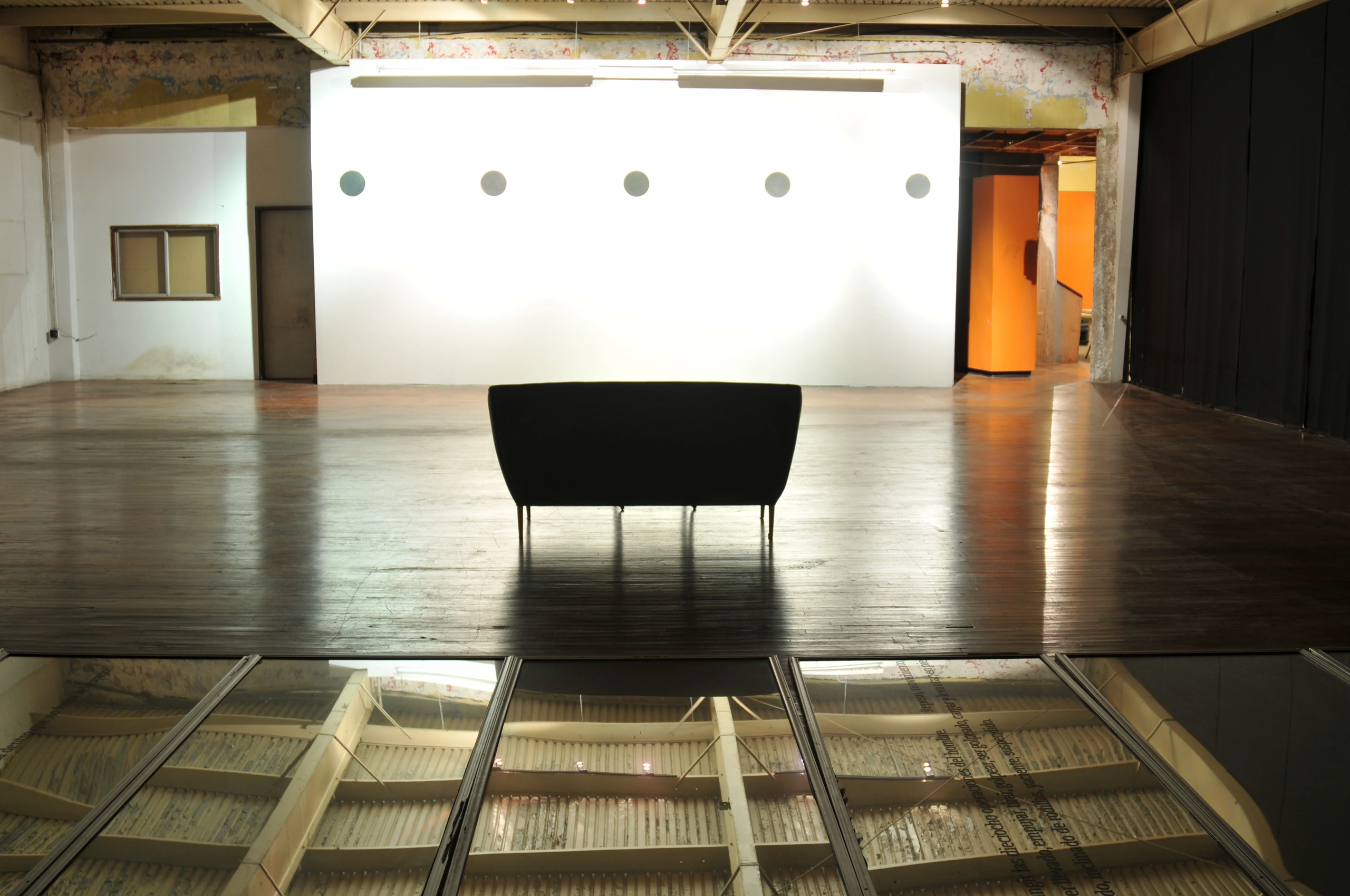
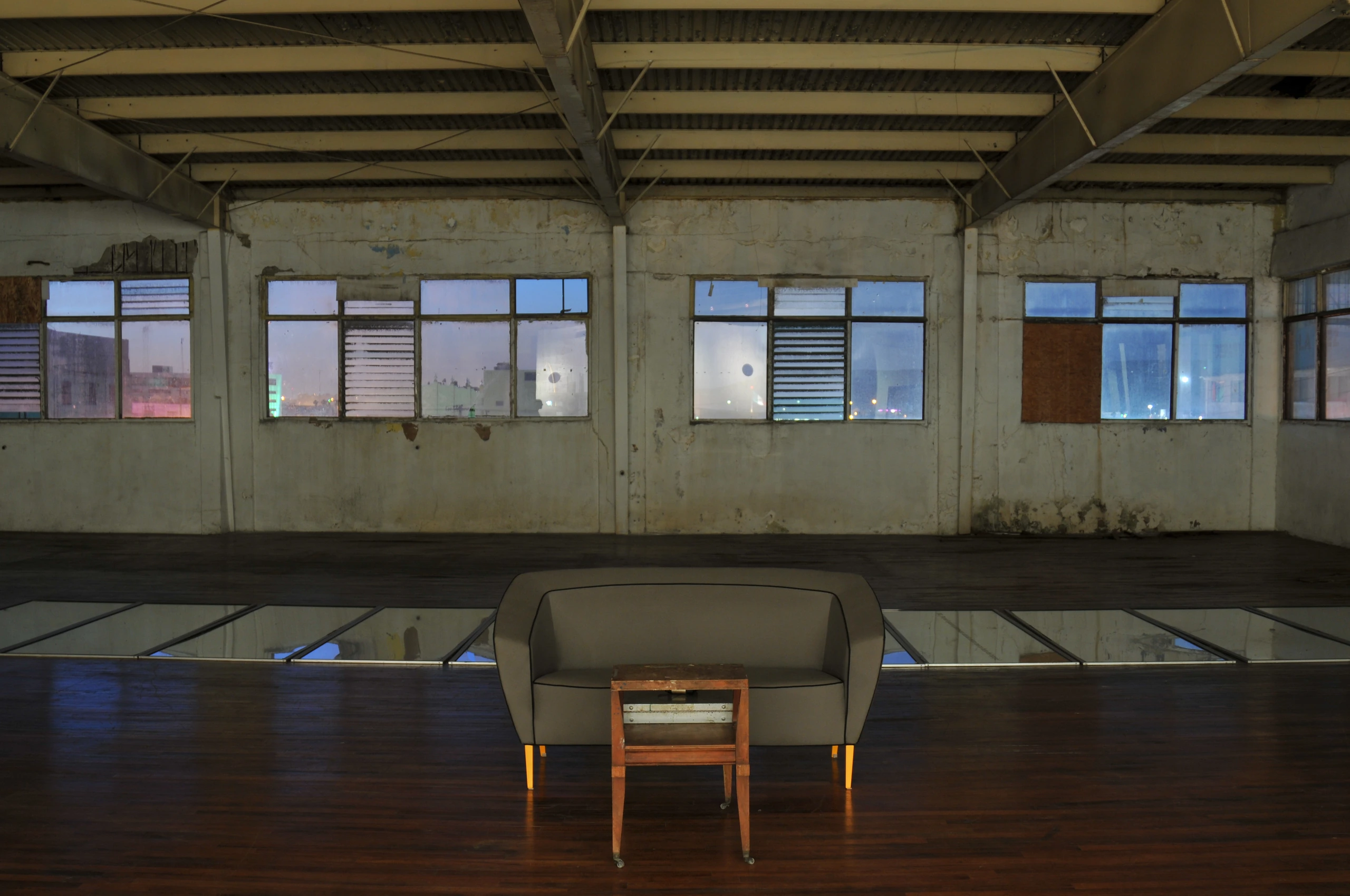
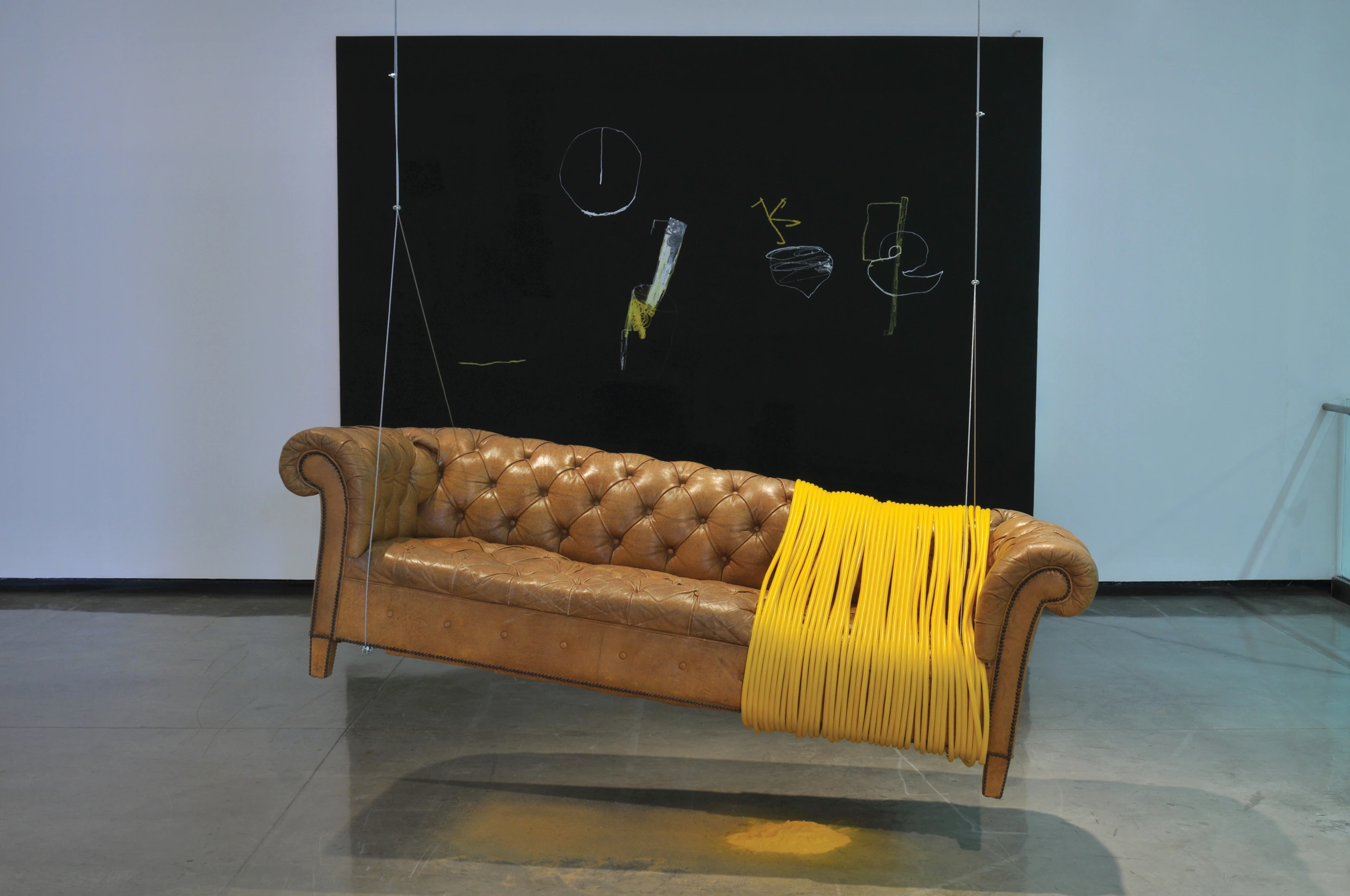
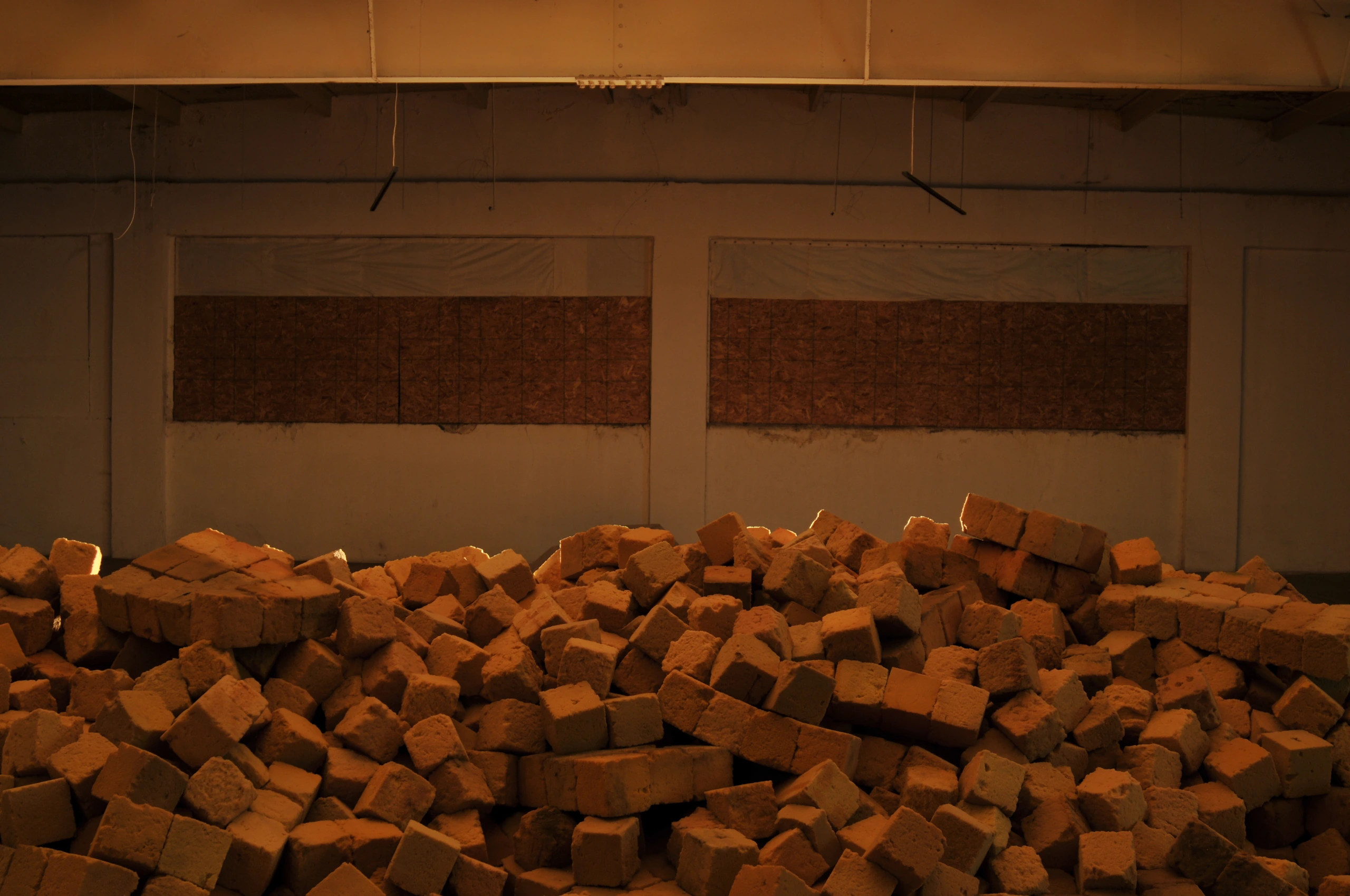
The works gathered in this exhibition describe a threshold between all the possibilities that can be found beyond what we can see — beyond the landscape, in the direction of lines, like writing in the dark.
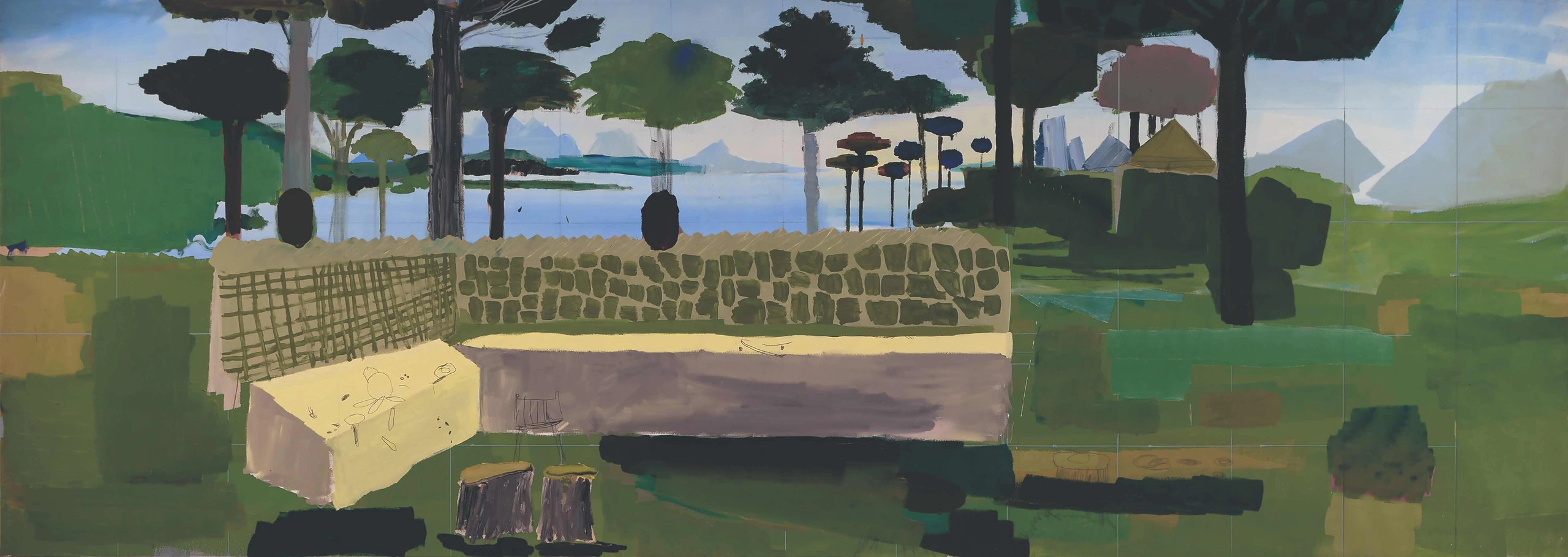
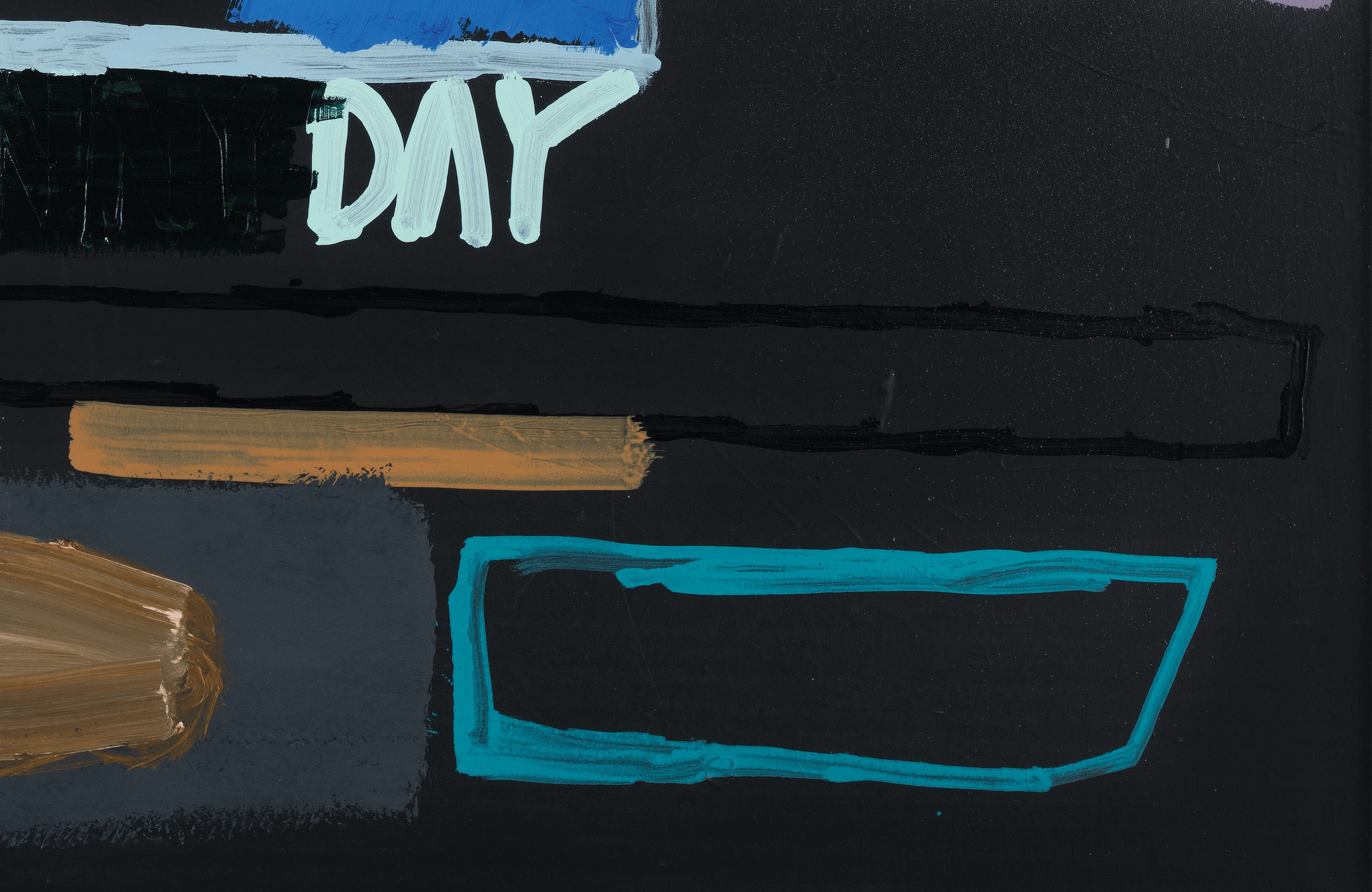
Ciapara begins with a certainty and turns it into a lie. Color is the measure of all things: the day is black, the night white, and the sky as blue as an orange. But before painting, nothing is defined. Ciapara's painting does not represent what we see but what we might come to see — as if figures and forms lost their dimension and balance, and we had to begin again.
Each work represents the first image that gives rise to the rest. In every canvas, the colors, the trees, the chairs reappear. Painting is part of nature — one more element that completes reality. It is the first image we hold from childhood. It is the first image of the sensation of speed as an attribute of color.
Everything can be painted. Everything is outside, like the landscape that passes through the window when we travel by train — an image we do not face head-on but glimpse from the side, and that suddenly, in a mysterious way, becomes visible. As happens with the colors of the rainbow that blend into one another. Through painting we know that the rainbow is not, in essence, in the rain, nor in the eye that sees it — though it is generated by the rain, the sun, and the eye.
To see is a way of walking. To traverse the paths where memories arrange themselves by likeness — between one form and another, between a tree and the image of its shadow. In this simultaneity, Ciapara confuses part with whole, and his work, like the rainbow, projects itself as a trompe l'œil:
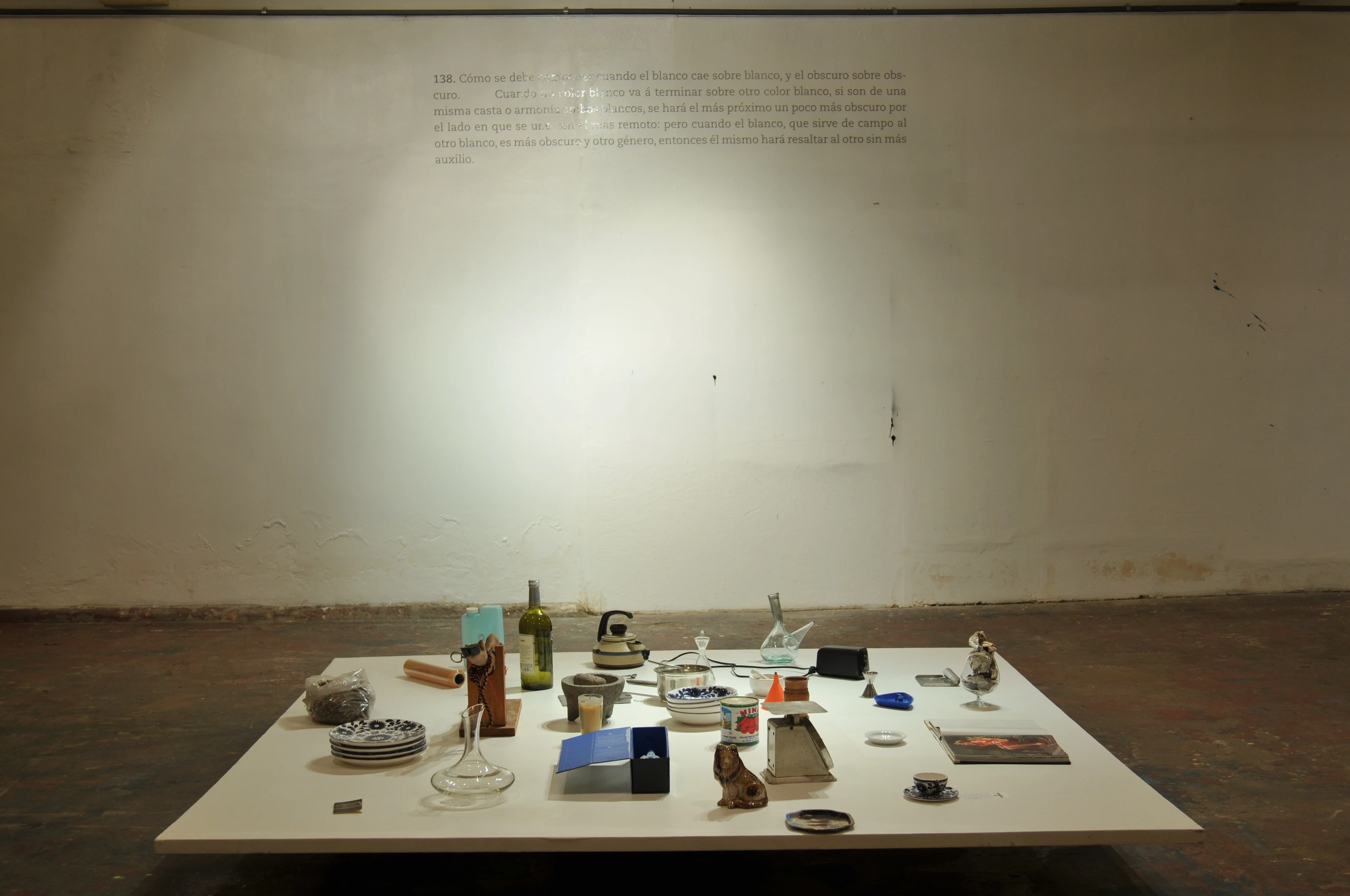
Just as the stone thrown into water becomes the center and origin of many circles — and just as sound spreads in circles through the air — so too a body placed in luminous air expands in circles and fills the surrounding parts with its infinite images, appearing whole in the whole and whole in the smallest of its parts. (Leonardo da Vinci, Treatise on Painting, 68 [A. 9b]).
Alberto Dilger
Curator