ErroresCatalogue
ERRORS AS DESIRES IN THE WORK OF ENRIQUE CIAPARA
Try again, fail again, fail better
Samuel Beckett, as quoted by Alan Pauls in Fallar otra vez
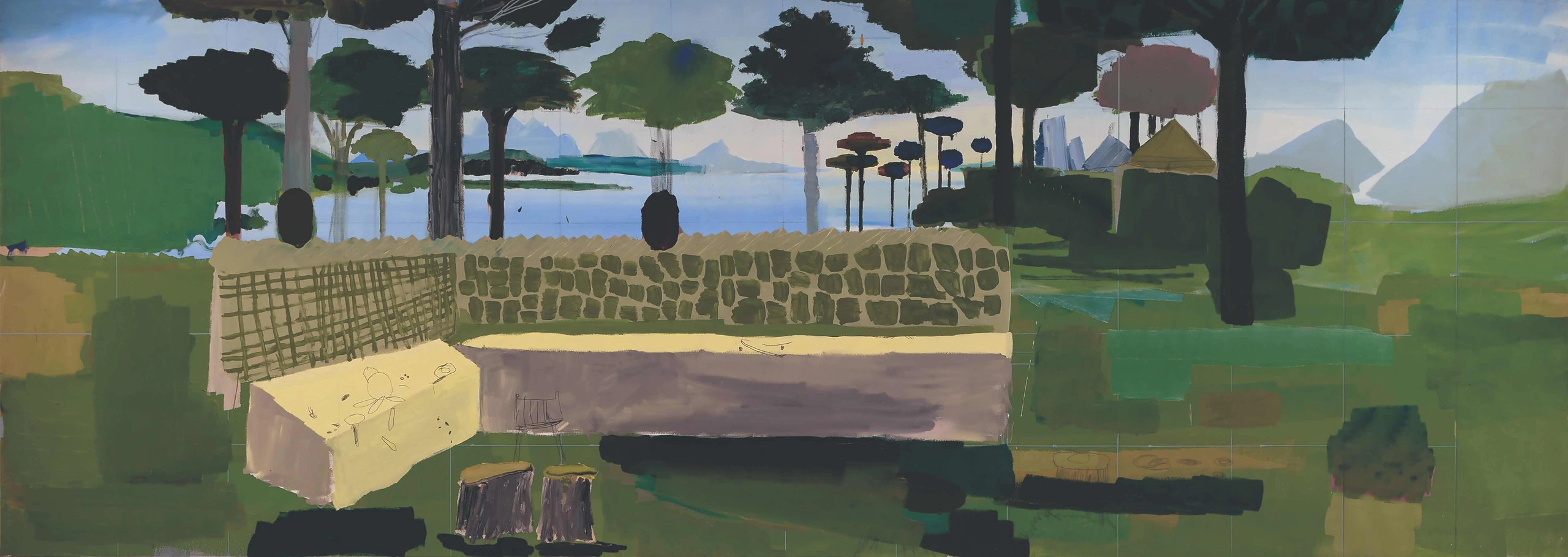
Between 2018 and 2019, Enrique Ciapara (Tijuana, 1972) painted an ambitious canvas that constitutes a fairly free interpretation of one of the four scenes that Sandro Botticelli undertook around 1483 of "The Story of Nastagio degli Onesti," itself a tale by another great figure of the Florentine Renaissance, Giovanni Boccaccio. It is an almost monumental painting that reproduces the trees, the Mediterranean landscape, and the horizon present in Botticelli's panel. In the foreground we can see a long table, dishes, and the remnants of a meal, which in the original scene corresponded to a banquet offered by the protagonist of this sad love story to the father of his beloved.
In Ciapara's version, we see no one. As if the characters of the tale had moved on to the next scene, leaving behind the remains of their outdoor luncheon. We quickly notice that the painting does not replicate the original, which belongs to the Prado Museum in Madrid. Enrique Ciapara's painting is a fairly free interpretation of "The Story of Nastagio degli Onesti." In reality, it is a painting full of deliberate errors, which transform it into an independent work, removed from its Italian reference.
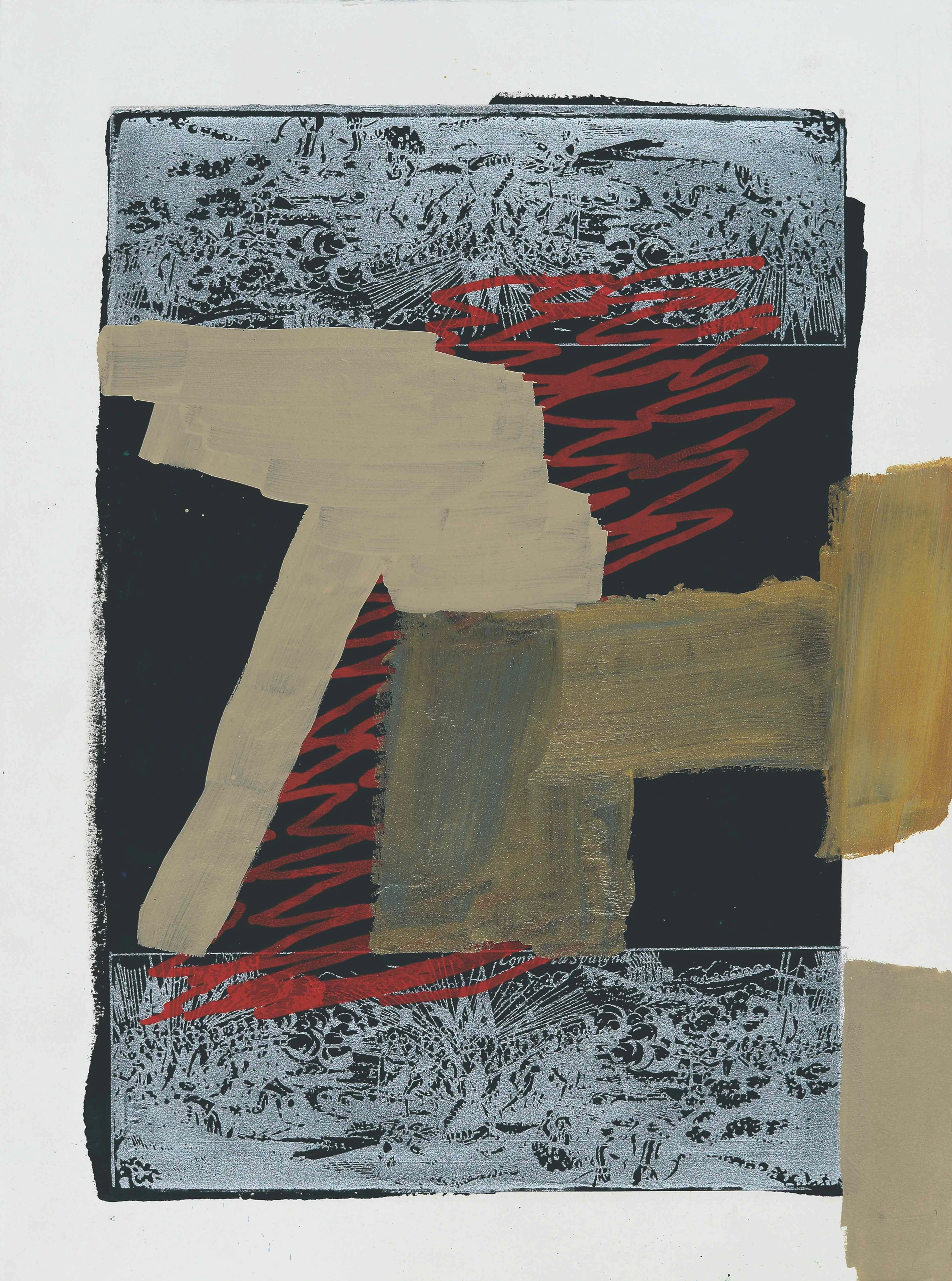
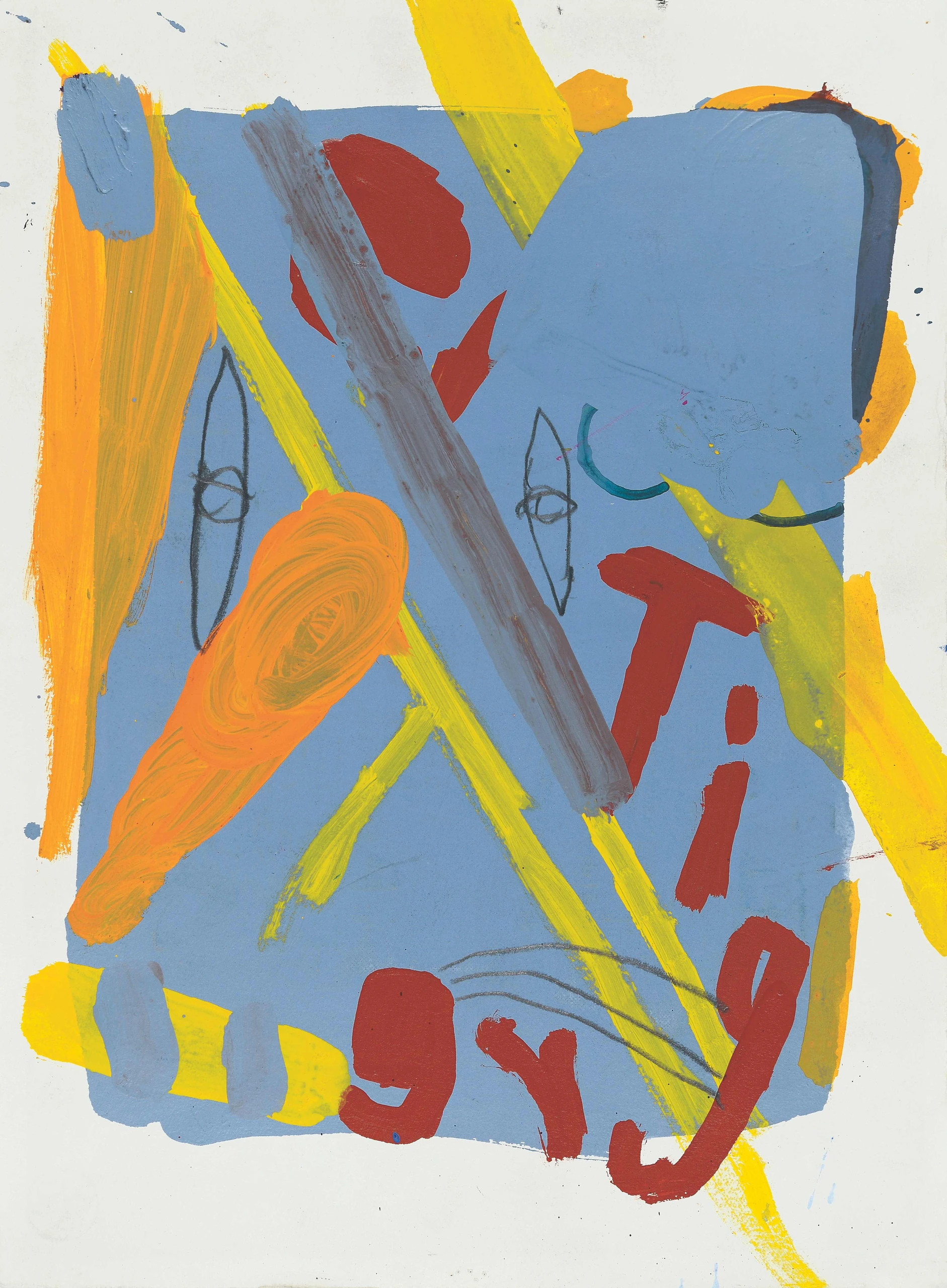
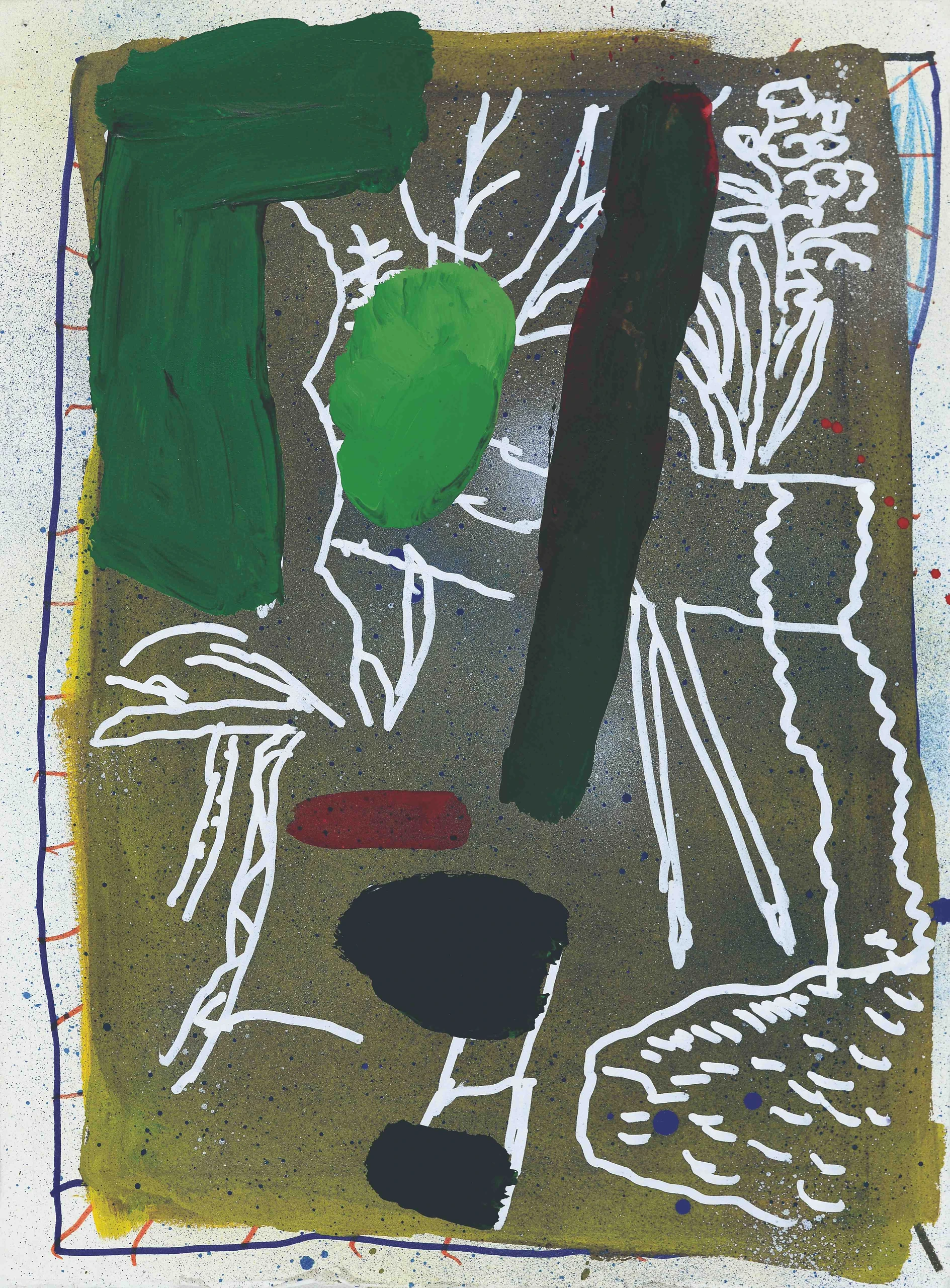
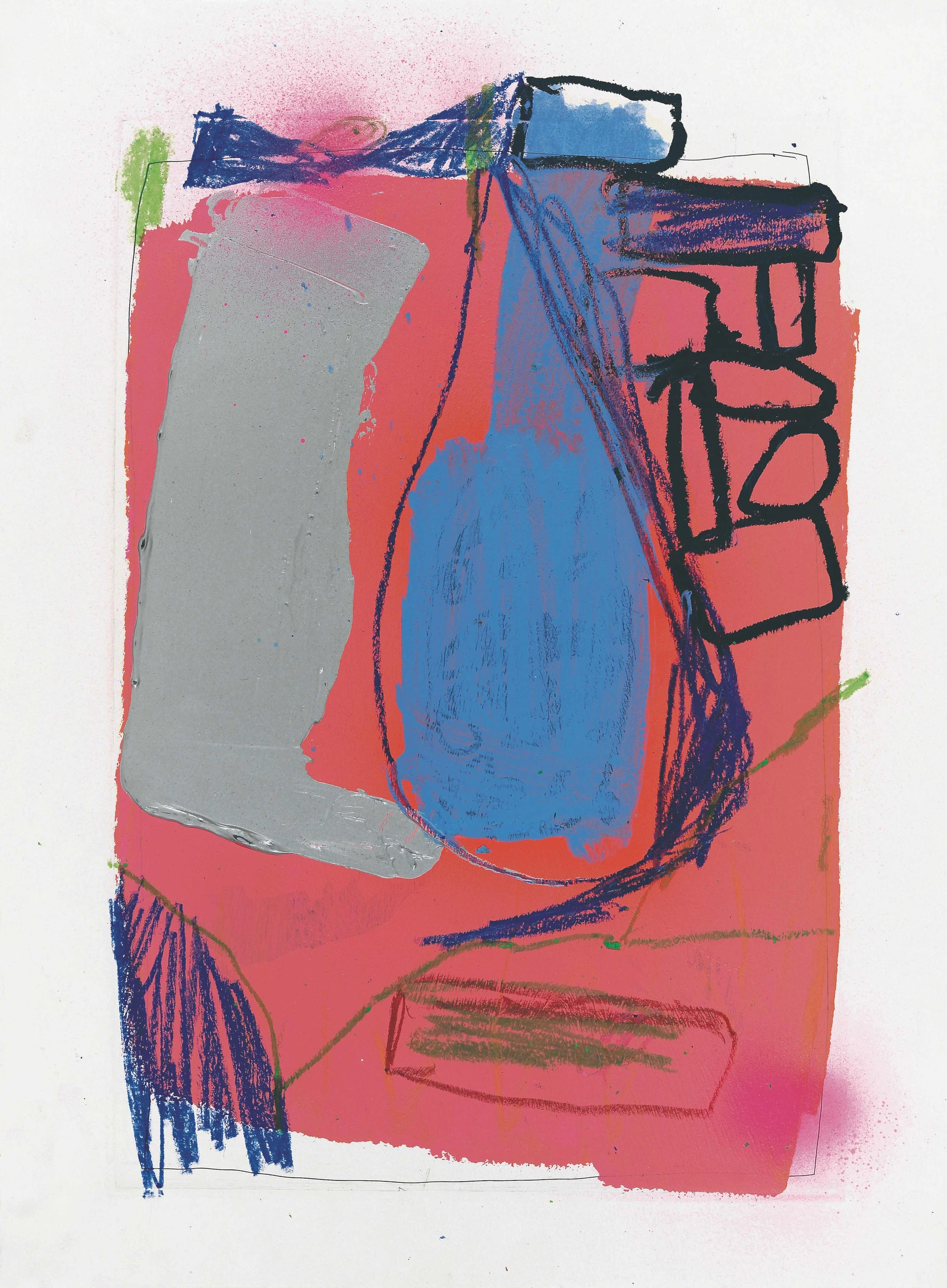
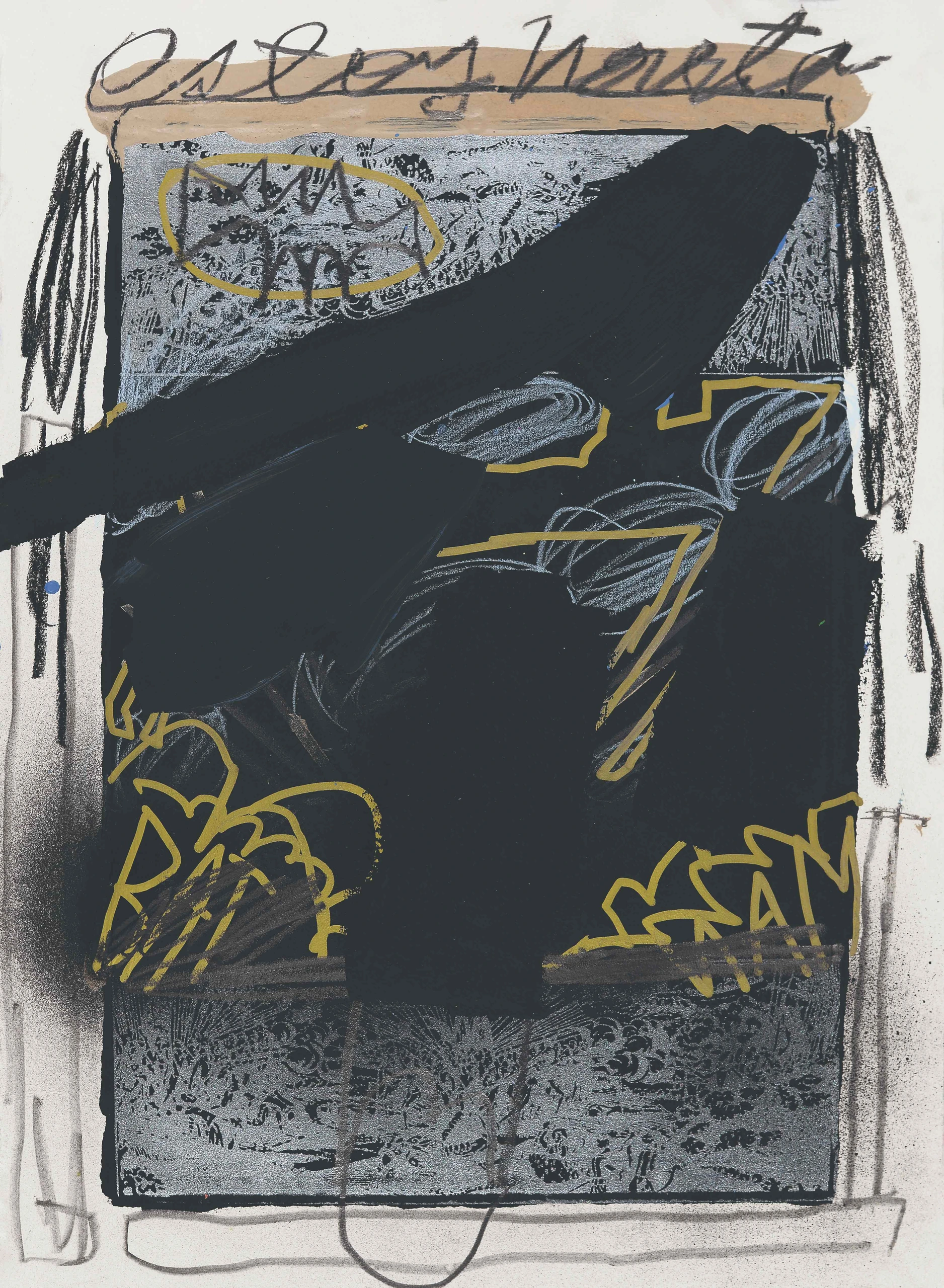
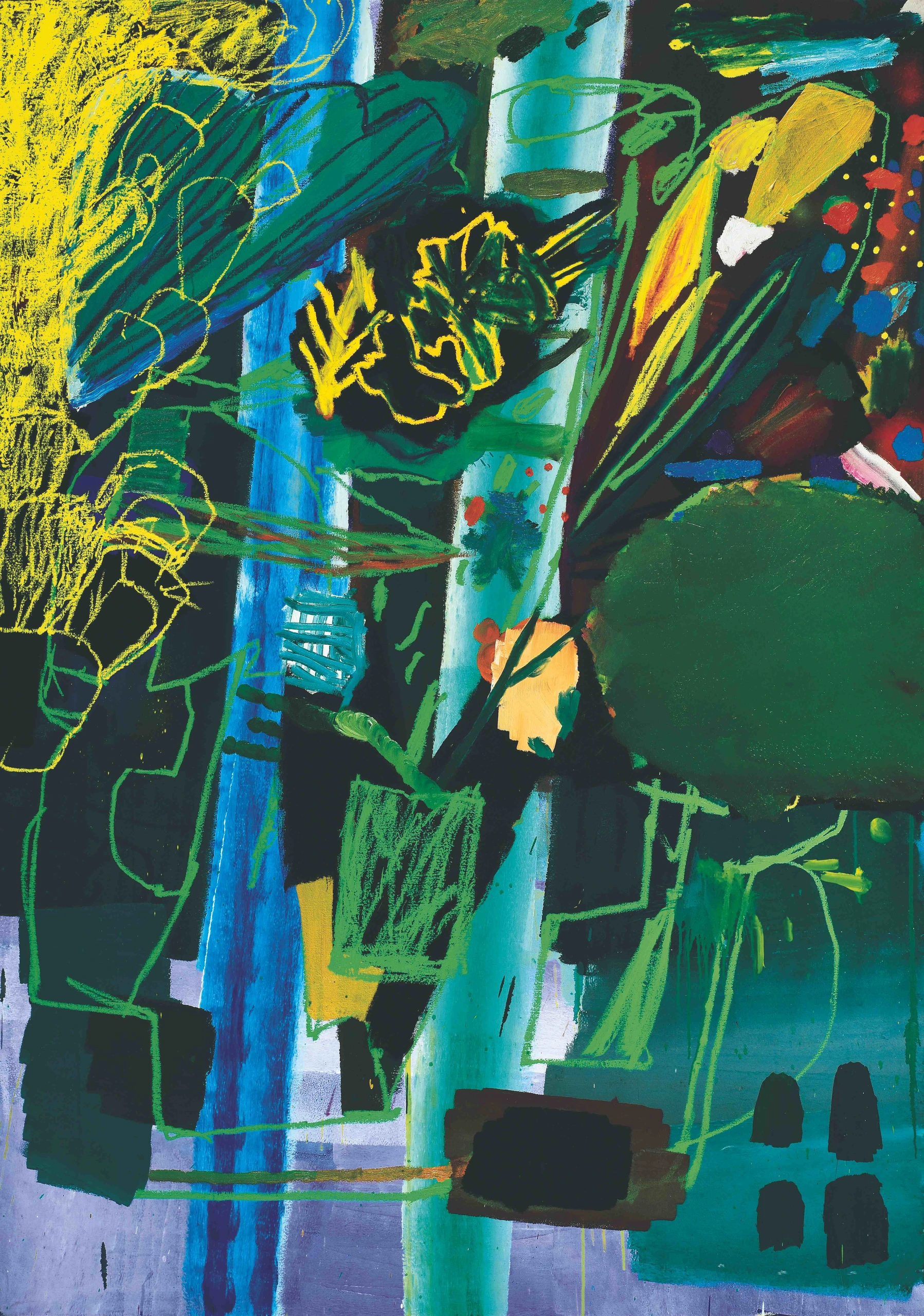
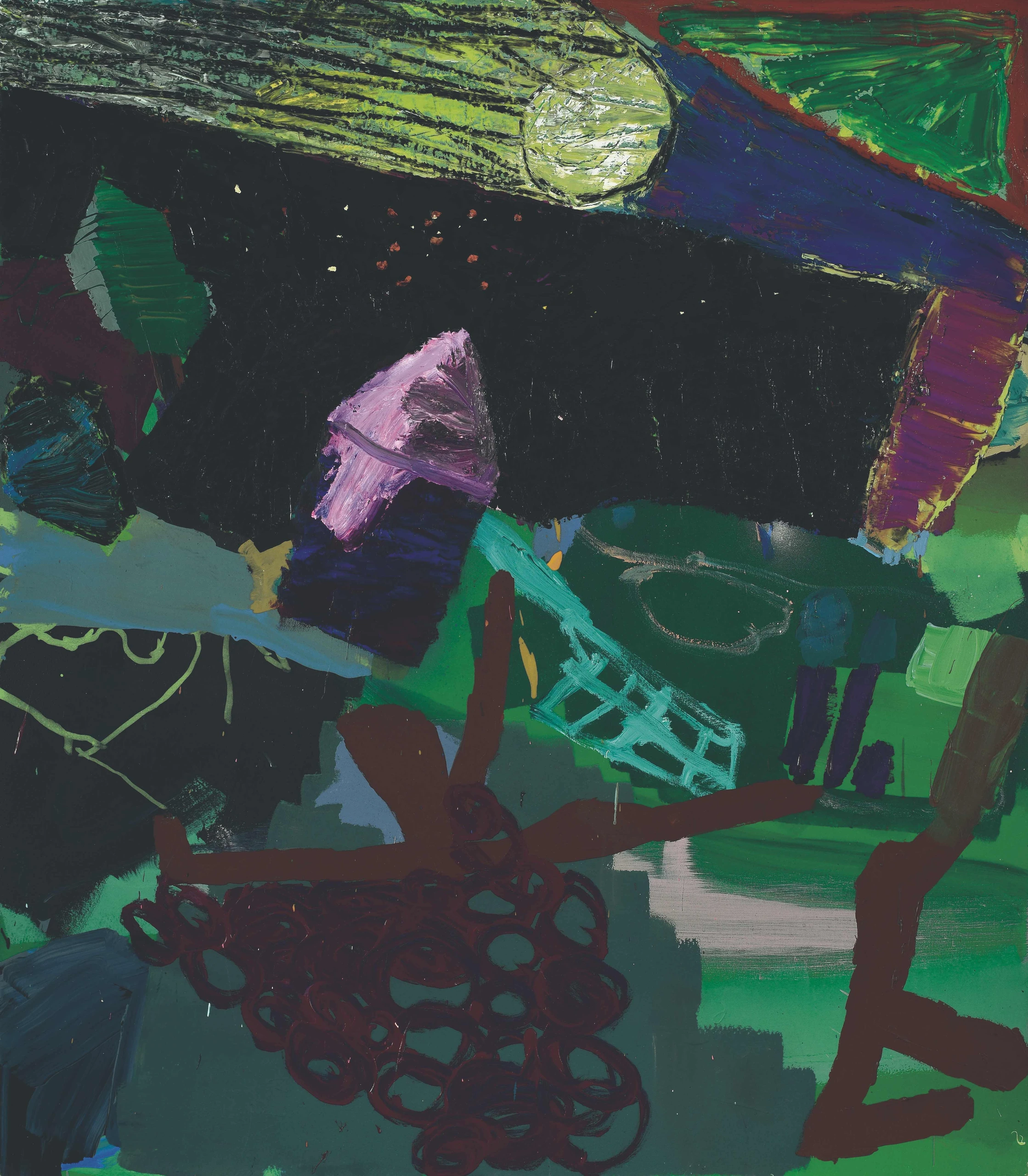
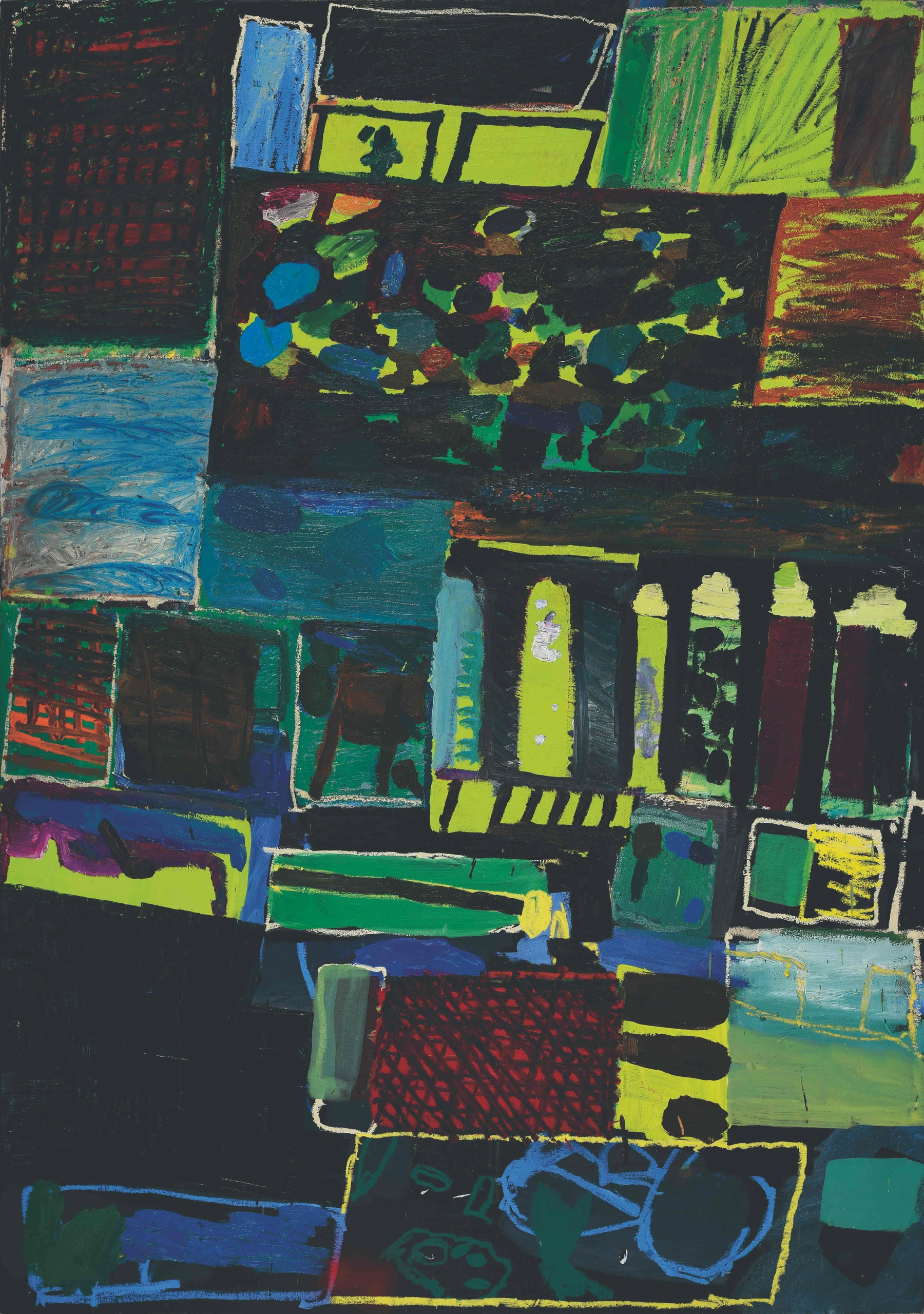
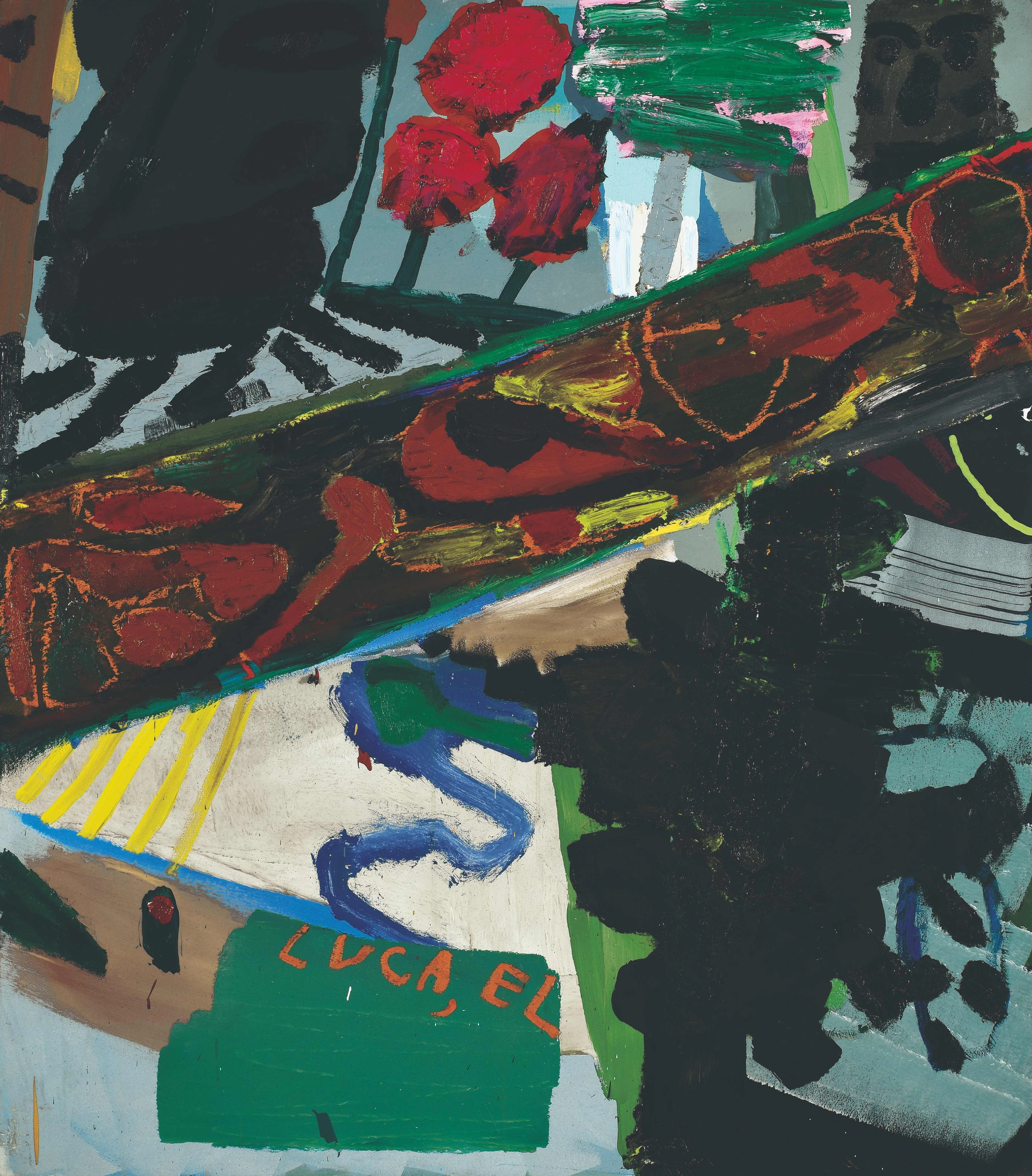
Why would an artist with proven knowledge of pictorial techniques venture to paint a canvas full of deliberate mistakes? What Ciapara does is nothing other than "deconstructing" the work of Sandro Botticelli. It is clear that deconstruction—that operation of dismantling Western thought and language—also defines the history of painting in the second half of the twentieth century, above all from the 1980s to the present: the chronological framework of Enrique Ciapara's work. In the realm of the visual arts, this concept reproduces literally the idea of Jacques Derrida, who understands deconstruction as a "strategy" that seeks to dismantle and call into question meanings, narratives, and canons. In this sense, it is difficult to think about contemporary painting while turning one's back on Derridean deconstruction, and it is quite eloquent how Ciapara, in this parodic exercise on Botticelli's scene, approached the history of classical art as a fertile field for deconstruction. But not only has he turned to recognizable works by past or contemporary artists; he has also subjected to a process of dismantling and disassembly the apparent formalism of the greater part of his production, incorporating into his canvases—surreptitiously and surprisingly—a "Catalogue of Errors," as he has titled the substantial series of his most recent works, many of which are brought together in this publication.
Certainly, "error" will be the apparently involuntary and innocent maneuver for defacing and contaminating all the formal asepsis of what we might call a first stage of his painting—that is, before the appearance of the errors with which he finishes the works. To understand the intellectual argument of error in his pieces since 2018, we might look back at some paintings from his beginnings as an artist: first in Tijuana, under the instruction of Spanish painter Luis Moret, and then in Tarragona, where he would live for four years in different periods, between the 1990s and 2003.
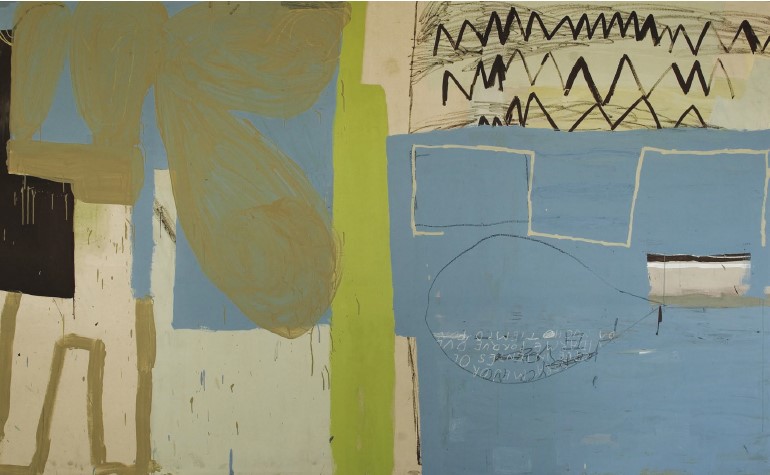
His works from the late twentieth century are heavily influenced by his teacher's abstractionism and by the intellectual context of Catalan painting, especially informalism and the so-called post-informalism, which prevailed in the artistic scene of Tarragona. The canvases are composed of backgrounds of long, regular brushstrokes or layers of colors occupying broad areas, forming very harmonious surfaces of complementary tones; over these are imposed highly gestural circular stains, irregular drawn strokes with a brush or repeated like cross-outs, almost always monochromatic, generating an evident contrast with the serene backgrounds.
These are paintings of a very expressive, almost lyrical abstractionism, based on color, frenzied strokes and brushwork— informal in the truest sense of the word. Seen retrospectively, the works seem to be two paintings in one. A first that serves as a pretext for another that overlays it, composed of violent stains, lines, and blots, as if in a desperate gesture the painter were scorning the canvases, smearing them with brush and palette.
In reality, those brushstrokes signify nothing concrete—they simply exist. These are not yet misguided forms, conscious "errors" in the paintings, a theme he would pursue from late 2018 to the present. They are merely blots and brushstrokes in tension, key to understanding how Ciapara's work gained freedom and became independent of the equation between forms and their meanings. Equally, from that point forward he would begin to narrow the distance between the background of the canvases and the figures in the foreground—an inheritance of the deconstructive lesson of Catalan informalism which, as Lourdes Cirlot notes, is characterized by "the absolute autonomy of the work, in the sense that its mere presence, its sheer existence, is enough... [another] of the essential contributions of this tendency consists in the fact that the ground becomes the subject of the painting and the subject in turn becomes the ground, thus establishing a dialectic of continuity."¹
In this way, for this artist, painting would become a space of freedom, of experimentation with form and color, understanding them as a vast and playful "field of possibilities," as Umberto Eco describes art in The Open Work, his major book. Enrique Ciapara's painting is certainly an open work, open even to its own errors.
Critical literature on error in painting is not, as one might think, very extensive. Setting aside the treatises on ancient art, which sought to correct the possible errors or carelessness of painters by regulating their craft, or the manuals of conservation and restoration (where "pentimento" is an undisputed protagonist), little has been published from the perspective of contemporary art theory on the idea of error in painting—unlike, for example, in literature, where it is tied to correction, a practice inseparably associated with writing.
An intelligent essay on correction in literature is Fail Again² by Argentine writer Alan Pauls, the source of this text's epigraph. It is a brief, illuminating piece on the idea of error in writing and, above all, on how it is a fundamental part of the creative process, a hallmark of an author's particularities and "the only thing that makes us original."³ If one were to replace the words "writing" or "write" with "painting" or "paint," it would serve as an excellent analysis of errors in contemporary painting. In fact, some reflections work very well for understanding the topic in the visual arts: "that error we never stop falling into has the shape and consistency and taste and temperature and rhythm of our desire, our imagination, our hallucinations, our far-fetched ideas about writing [about painting] and about the world we write [paint] about."⁴
It is a phrase that could well summarize the intellectual exercise of Enrique Ciapara around the errors he consciously introduces into his recent paintings. Pauls's phrase seems to describe desire from a certain materiality, something with consistency, taste, form, and even temperature—something sensory. The poet and painter Luis Verdejo once wrote that in Ciapara's painting one finds the joy of living. Indeed, one finds "the pure pleasure of seeing, eating, drinking, living"⁵— that is, a painting that makes visible desires which, as we well know, cannot be repressed, like that "error we never stop falling into" of Alan Pauls. Hence the need to make it visible and show it. Not to conceal the flaw, for "it does not depend on the will; it is not chosen, and therefore it is useless to try to appease it, channel it, or stop it."⁶ Like desires.
From this joyful (desirous) place of error, we can understand the decontextualization that Enrique Ciapara undertook some five years ago with "The Story of Nastagio degli Onesti." As we noted earlier, the work does not follow the Renaissance precision of Sandro Botticelli's panel; on the contrary, it indulges in stains with aspirations toward recognizable forms, naïve perspectives, and childlike lines. But it is precisely through the arbitrariness of all these gestures that it becomes a profoundly authentic painting. Ciapara seems to translate into pictorial terms what Pauls says: "the only things that make us original are the problems [the errors] we have."⁷
This Botticellian painting also has something of a comic quality. At the beginning of this text we identified it as a parodic painting, in the manner of the punchline of a theatrical gag. It is well known that comedy bases many of its actions on error—like a fall by Chaplin or a prank that goes wrong for Buster Keaton. Comic cinema is riddled with conscious and highly professional errors, without which the parody would not work: that rhetorical device which, in the sphere of contemporary art, constitutes one of the most evident tools of deconstruction.
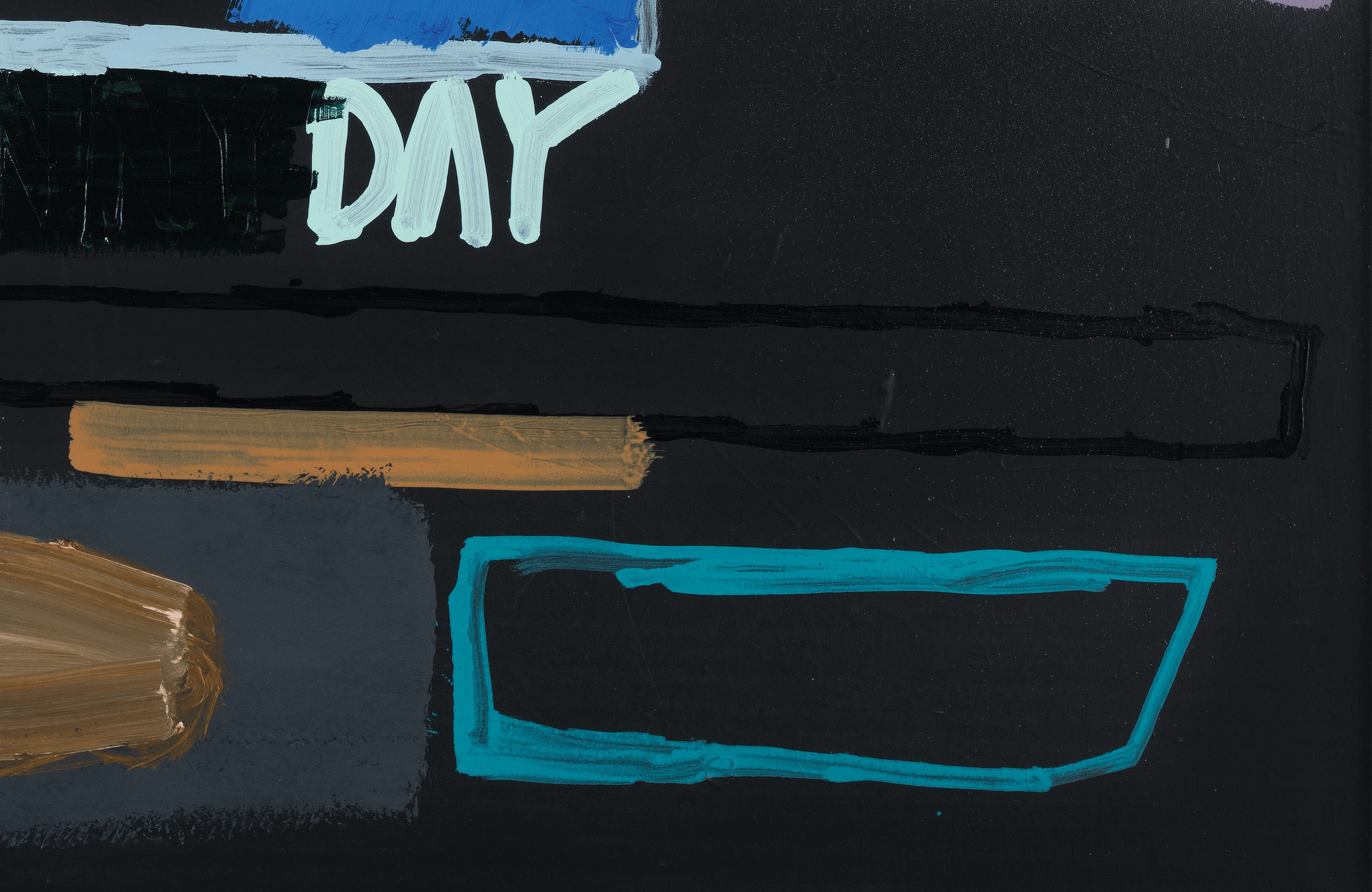
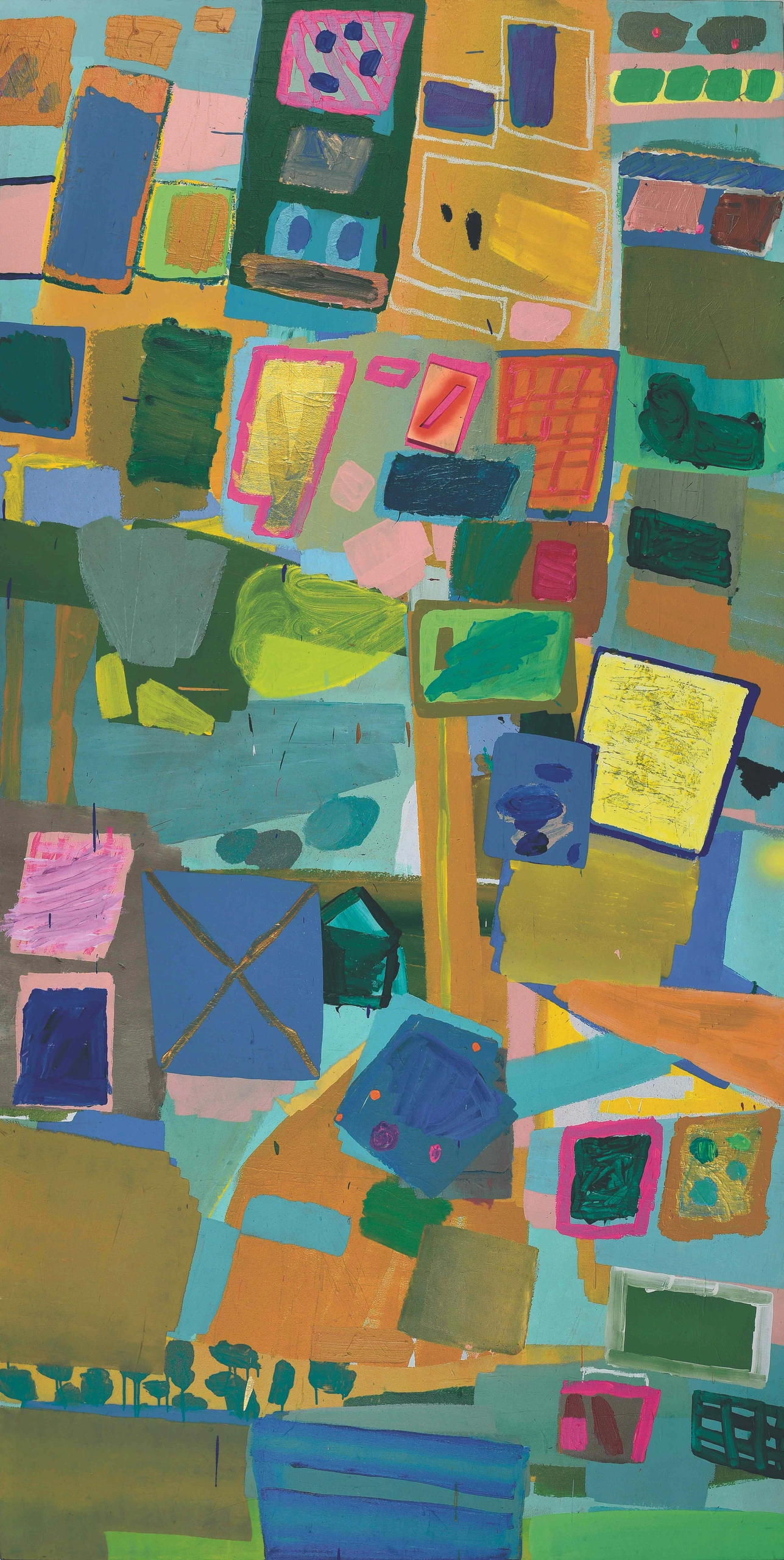
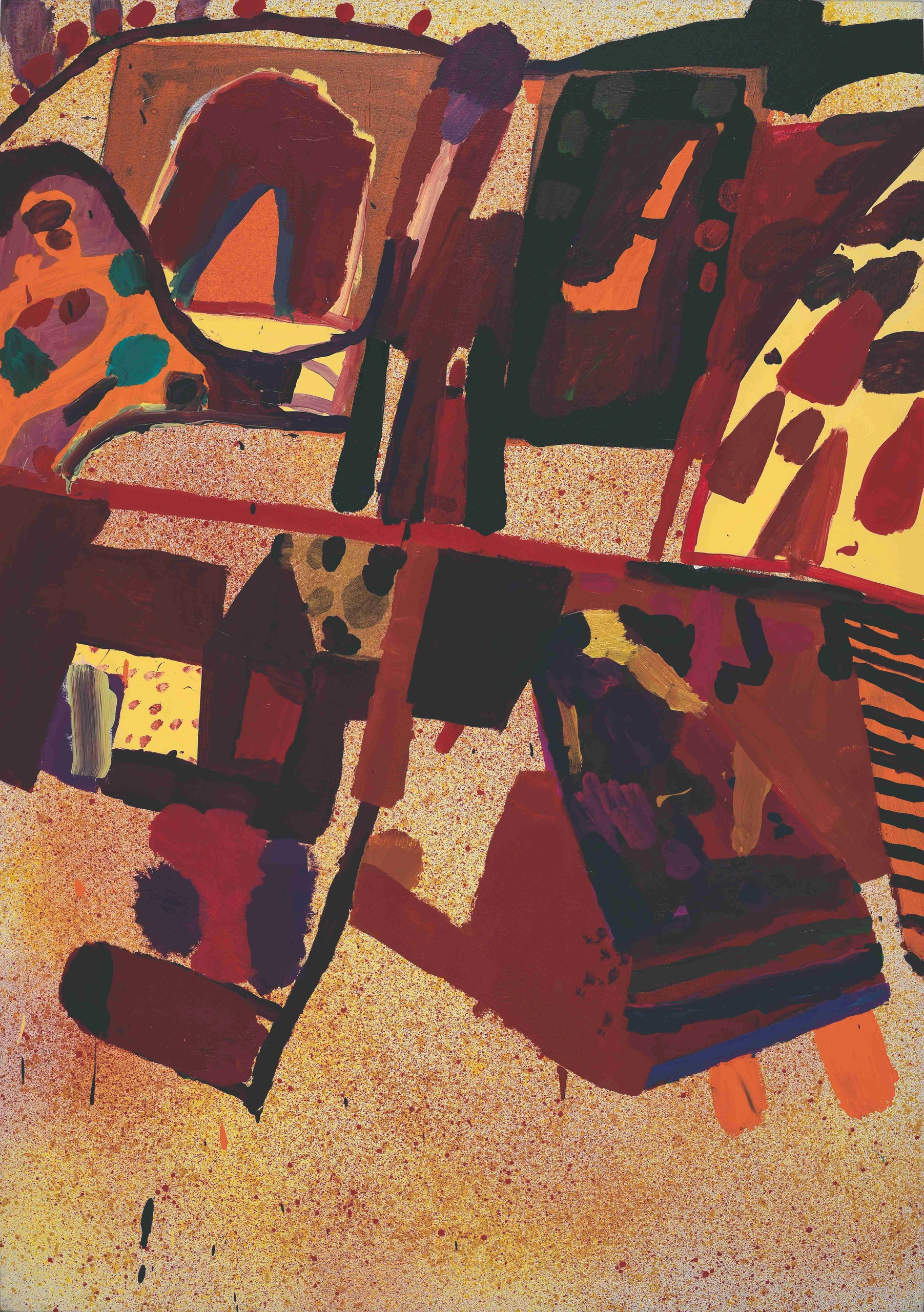
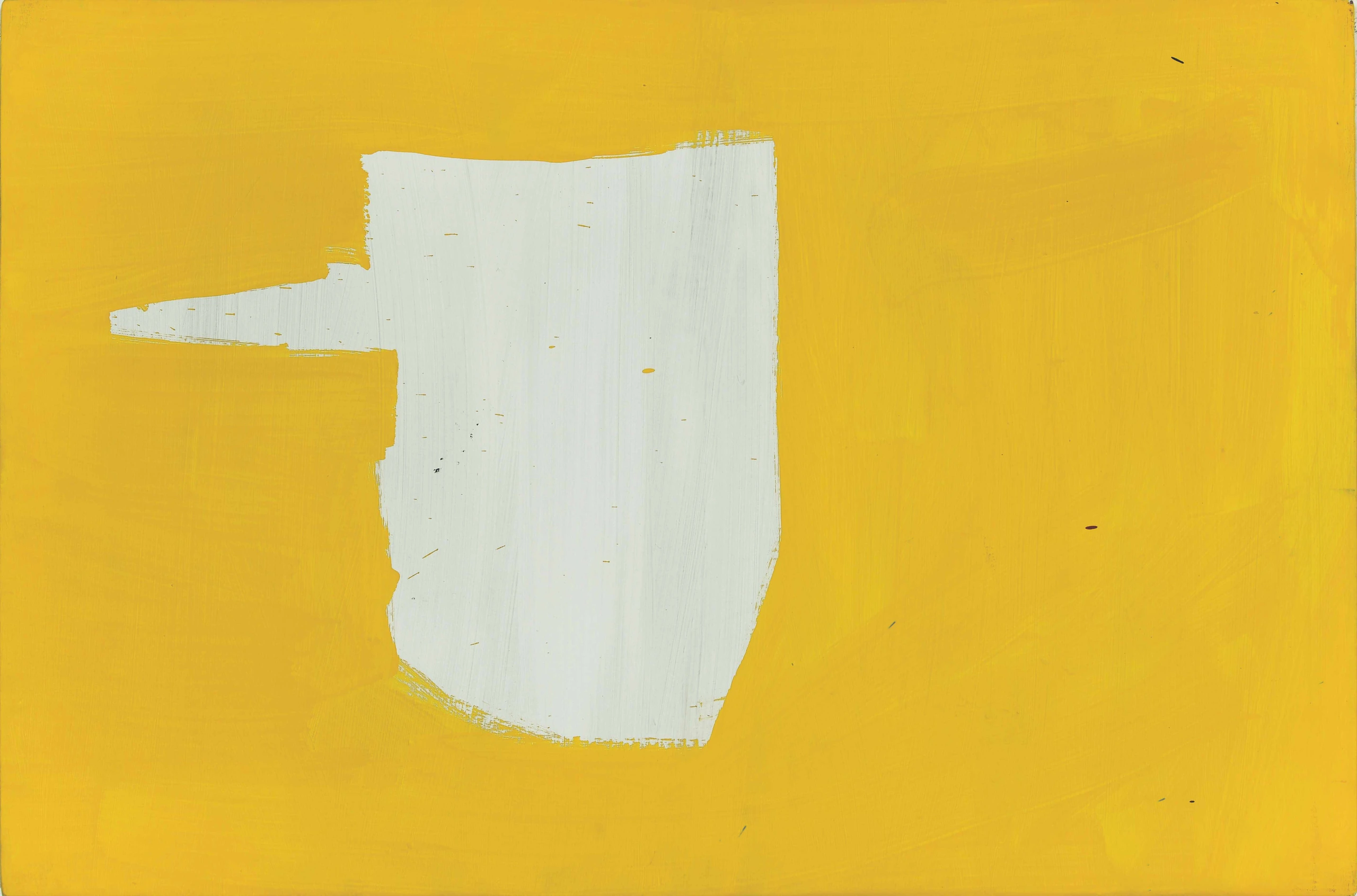
In his paintings (both those gathered in "Catalogue of Errors" and others preceding this series), Enrique Ciapara introduces, in the manner of a skilled comic actor, false visual missteps as mechanisms for parodying (for dismantling, we might say) a vast imaginative universe. To cite a few examples: he dulls the formalist refinement of the fine rectilinear lines of geometric abstraction with shapeless blobs and abrupt brushstrokes; he distorts, almost caricaturizing, motifs that seem to derive from the "meridional" and figurative aesthetics of Matisse's and Picasso's Provençal paintings; or he summons the exquisite, obsessively precise still lifes of Dutch Baroque painting, only to transform them into rabidly informalist paintings. But beyond the ease with which these actions can be described, their conception and execution is arduous work, dependent on the "naturalness" of the error and, above all, on the visual intelligence of the painter: they entail enormous risk, since the results of a decontextualization process must be as original and authentic as the cited motifs—even if those motifs are of the artist's own invention, whether figurative or abstract, as we can see in this "Catalogue of Errors" series. Enrique Ciapara has taken this will to paint "wrongly" to the extreme. The childlike scribbles are not hidden within crowded compositions: they are displayed as they are, on canvases whose background is simply a disconcerting layer of spray paint. The stains no longer converse with each other or with the background (as happened in his early paintings)—they are simply there, piled up, without order or concert, not responding to the lessons of informalism; their customary planes of monochromatic paint seem to respond to an autarchic logic, removed from the artist's control.
Finally, one must say that these latest paintings in the "Catalogue of Errors" series are challenging our prejudices as viewers—something that rarely happens in the terrain of current painting. Works that generate the disorientation customary in contemporary artistic practices: we do not know whether they are the result of an error, an absurdity, or whether, on the contrary, they constitute a fortunate achievement. What is certain is that for Enrique Ciapara they represent the manifestation of a desire, the pleasure and delight of painting from an aspiration toward total freedom, in which error is pure imaginative and hallucinatory expression, made of pure pictorial matter. Paintings that are undoubtedly the opportunity, as Samuel Beckett says, to fail again in order to fail better.
Carlos E. Palacios
Ensenada, Baja California, January 27, 2023
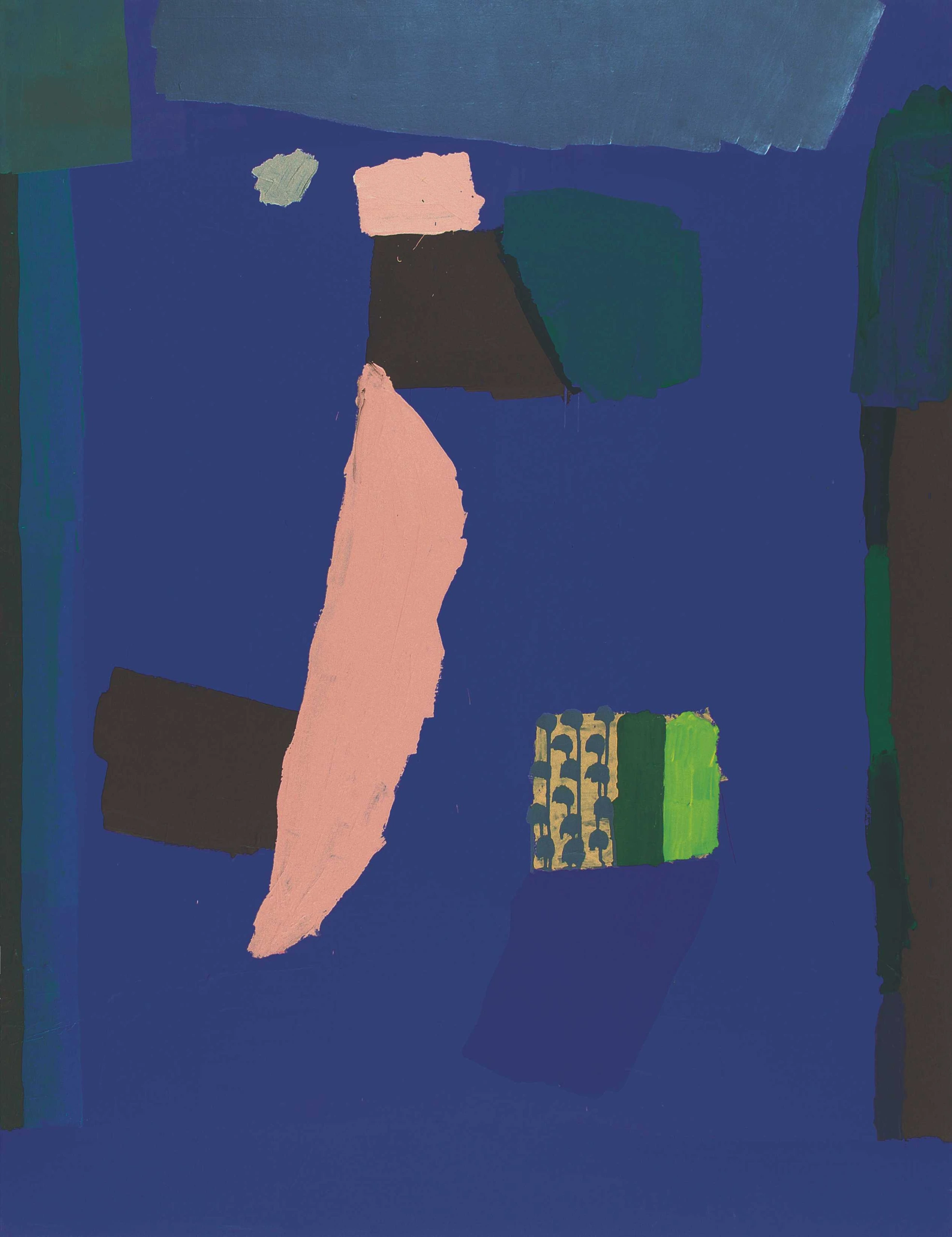
Title
Untitled (Errores Catalogue)
Technique
Acrylic on canvas
Dimensions
160 x 122 cm
Year
( 2018 )

Title
Untitled (Errores Catalogue)
Technique
Acrylic on canvas
Dimensions
160 x 122 cm
Year
( 2018 )
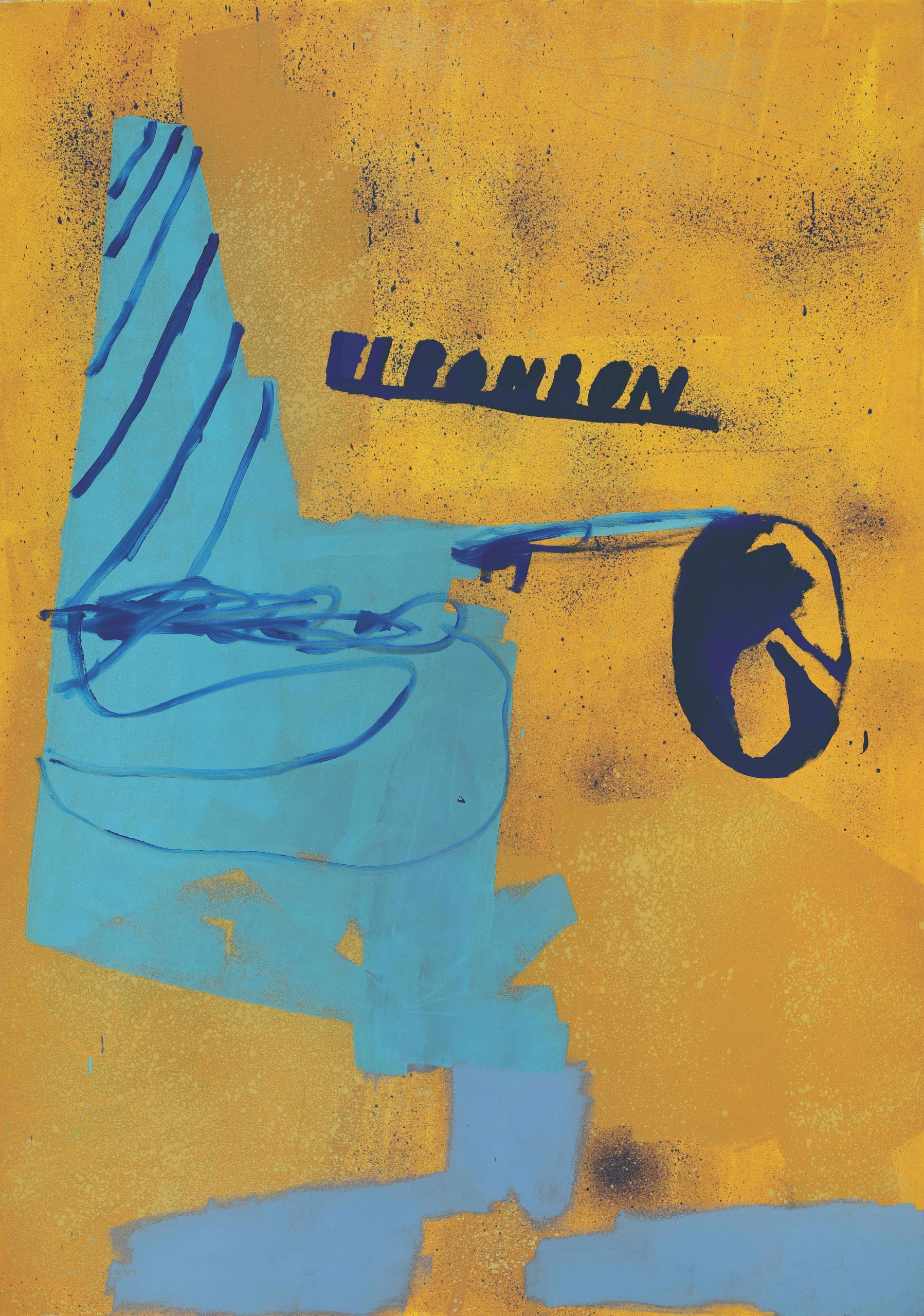
Title
Untitled (Errores Catalogue)
Technique
Acrylic on canvas
Dimensions
200 x 140 cm
Year
( 2020 )
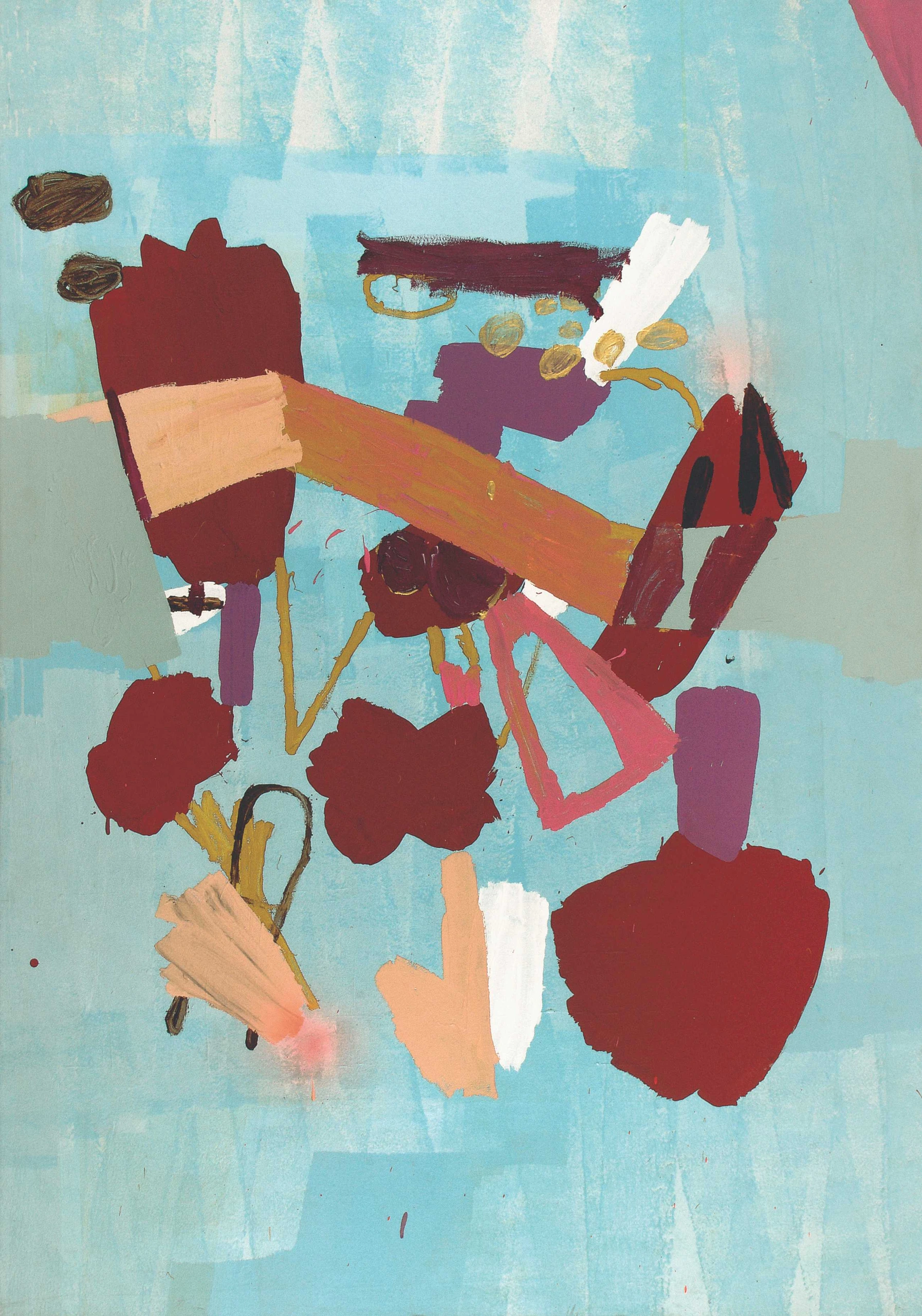
Title
Untitled (Errores Catalogue)
Technique
Acrylic on canvas
Dimensions
200 x 140 cm
Year
( 2018 )

Title
Untitled (Errores Catalogue)
Technique
Acrylic on canvas
Dimensions
160 x 122 cm
Year
( 2018 )
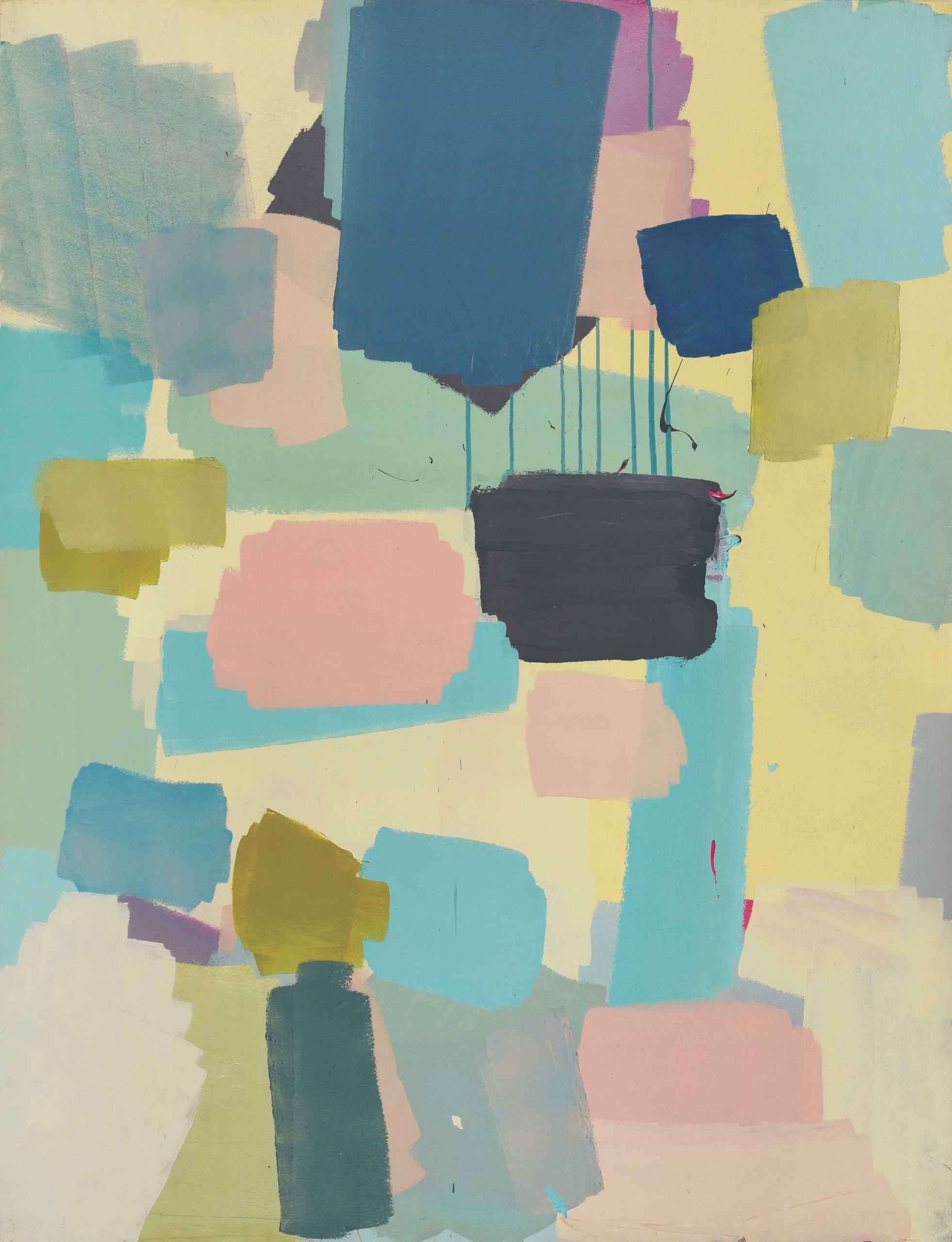
Title
Untitled (Errores Catalogue)
Technique
Acrylic on canvas
Dimensions
160 x 122 cm
Year
( 2018 )
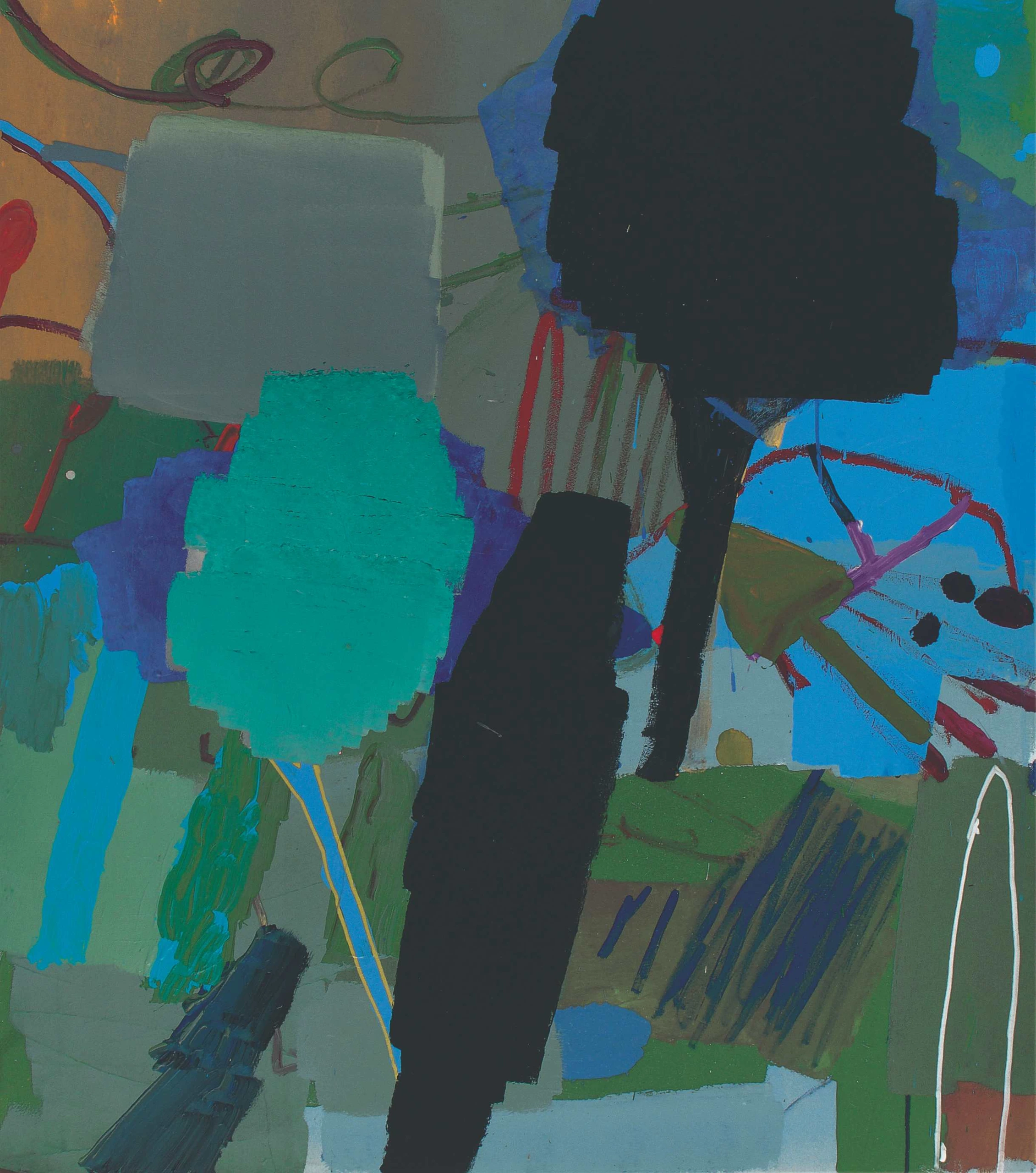
Title
San Antonio (Souvenir del Valle)
Technique
Acrylic on canvas
Dimensions
122 x 107 cm
Year
( 2018 )
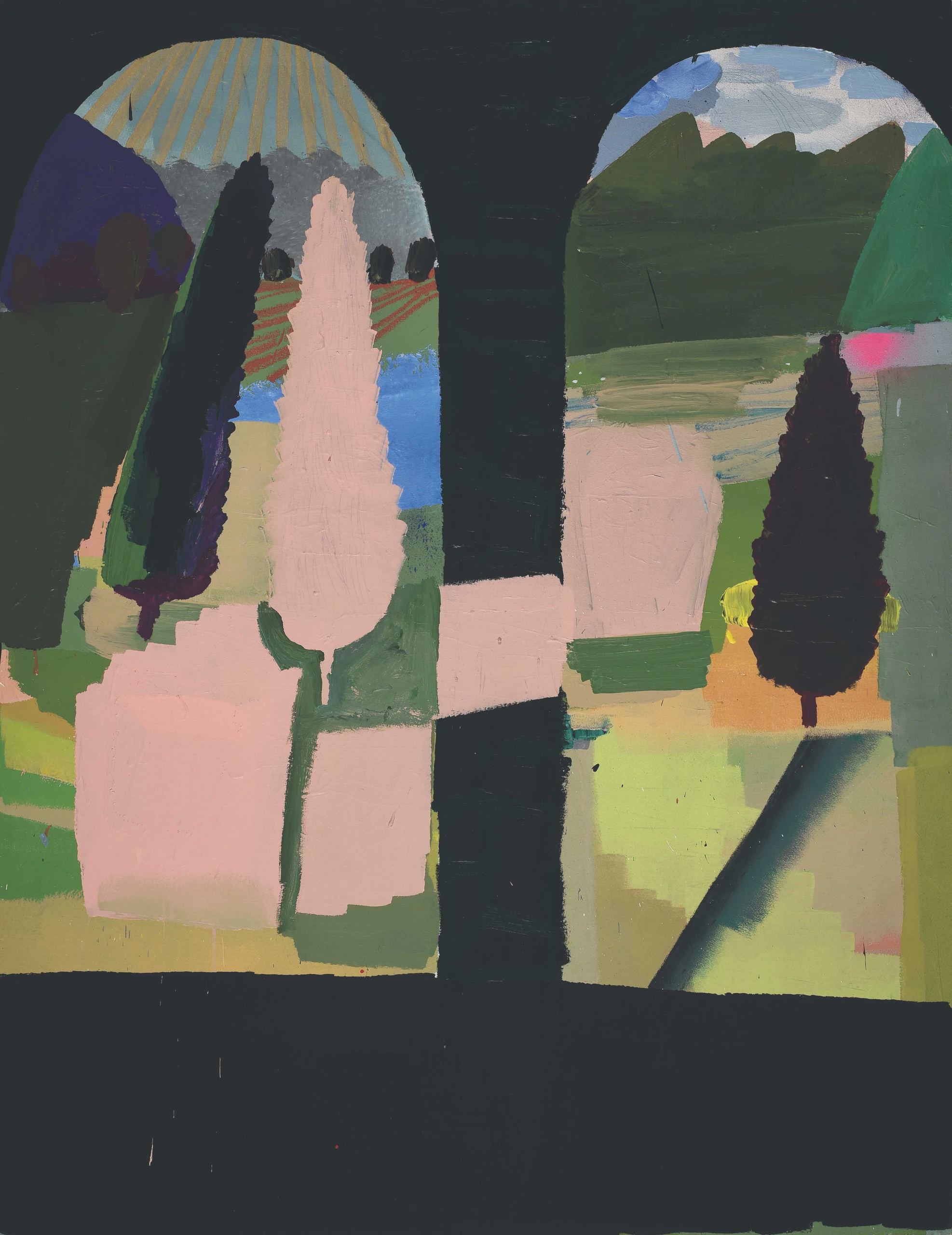
Title
Duetto (Souvenir del Valle)
Technique
Acrylic on canvas
Dimensions
160 x 122 cm
Year
( 2018 )
Title
Banquete en el pinar (Souvenir del Valle)
Technique
Acrylic on canvas
Dimensions
152 x 429 cm
Year
( 2019 )
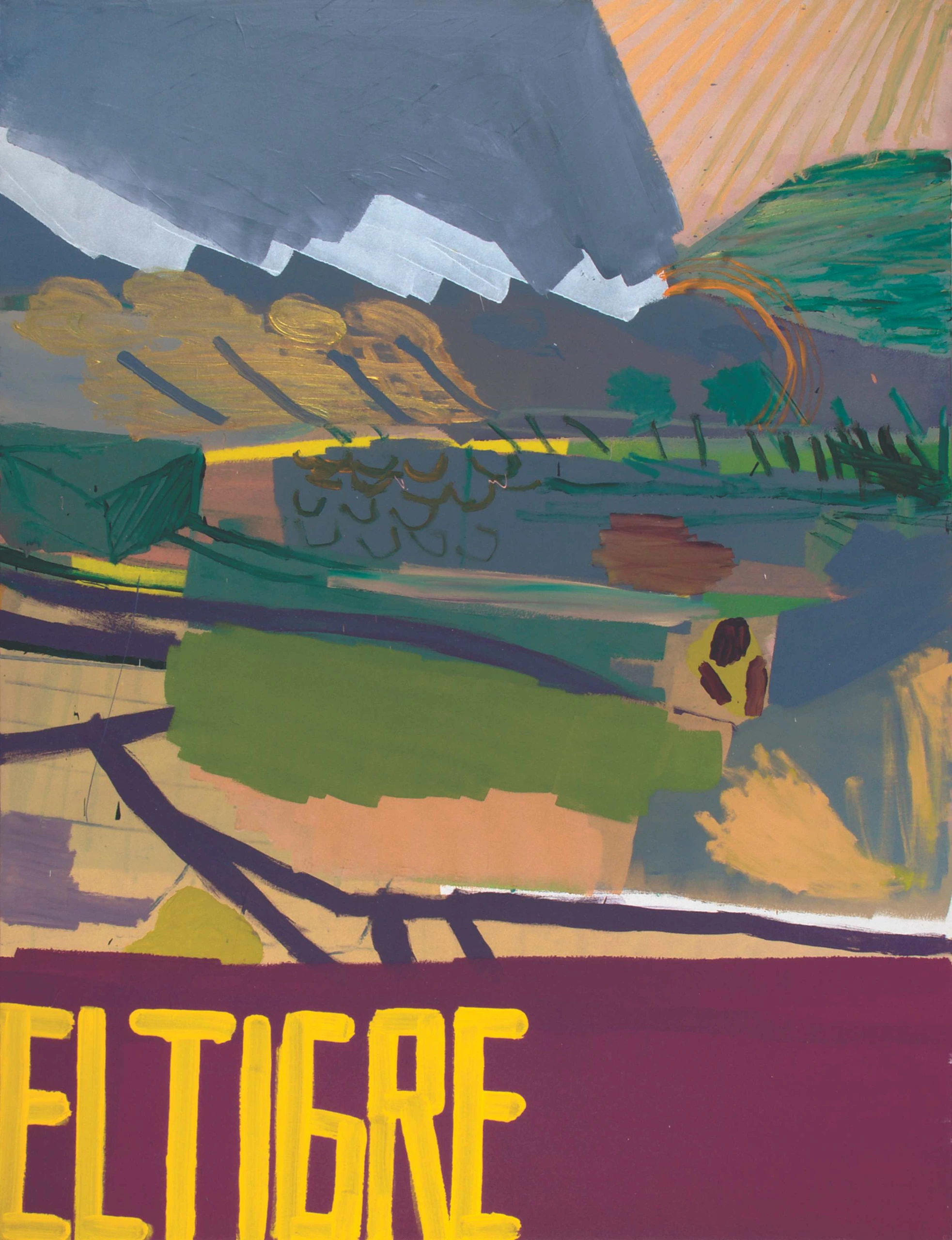
Title
El Tigre (Souvenir del Valle)
Technique
Acrylic on canvas
Dimensions
160 x 122 cm
Year
( 2018 )
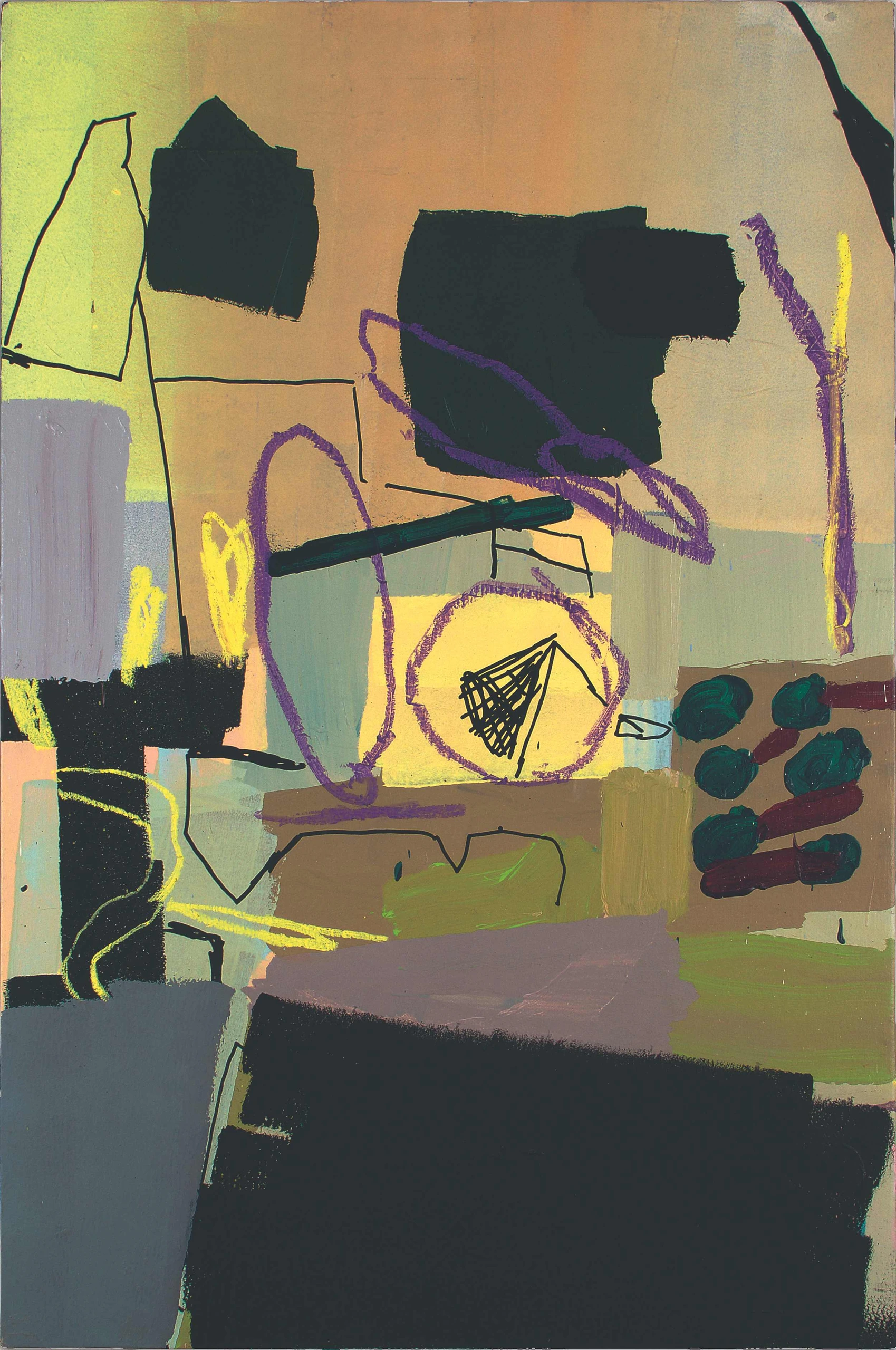
Title
Untitled (Errores Catalogue)
Technique
Acrylic on canvas
Dimensions
122 x 86 cm
Year
( 2018 )
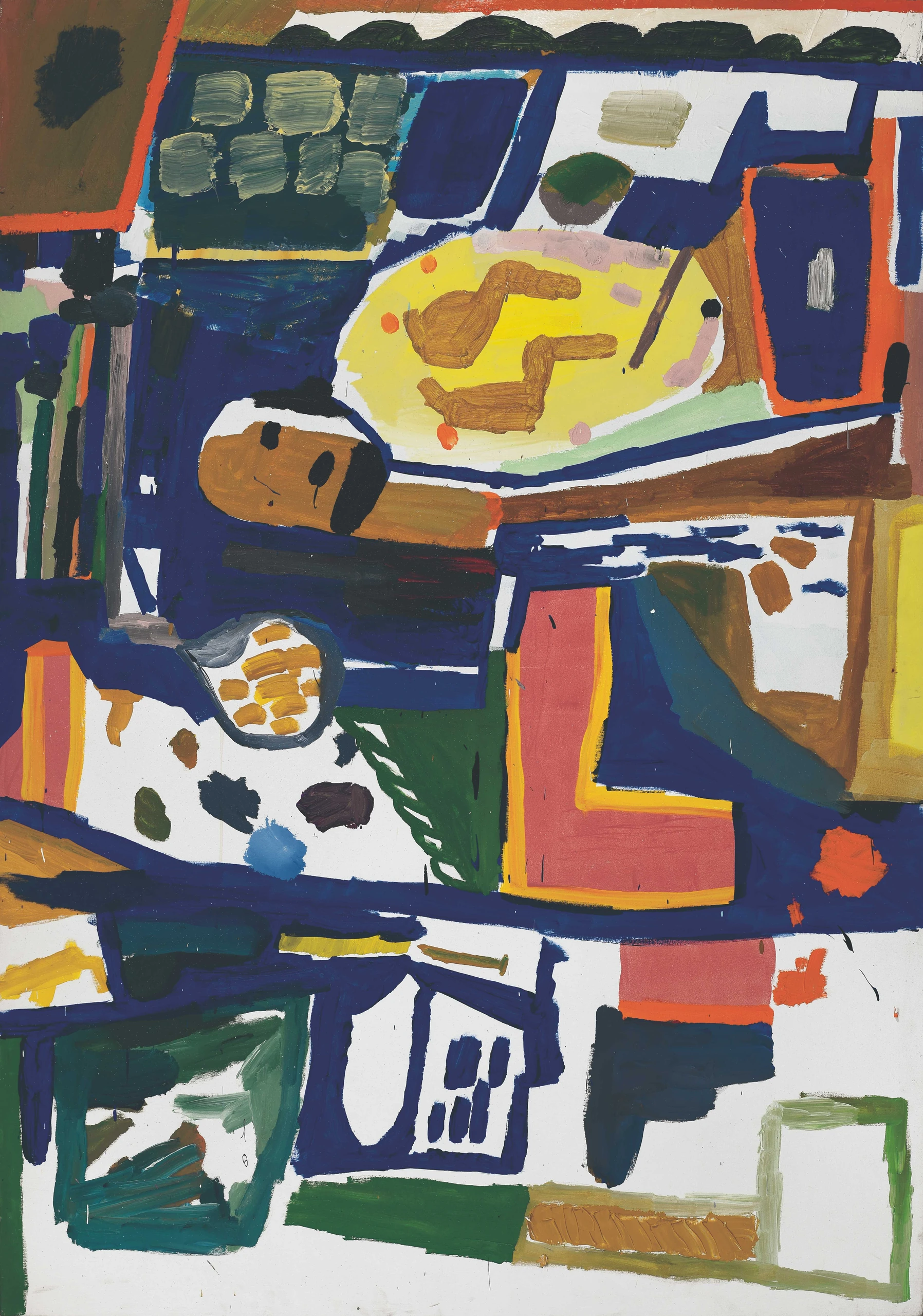
Title
Sin título (Souvenir del Valle),
Technique
Acrylic and oil on canvas
Dimensions
200 x 140 cm
Year
( 2019-2023 )
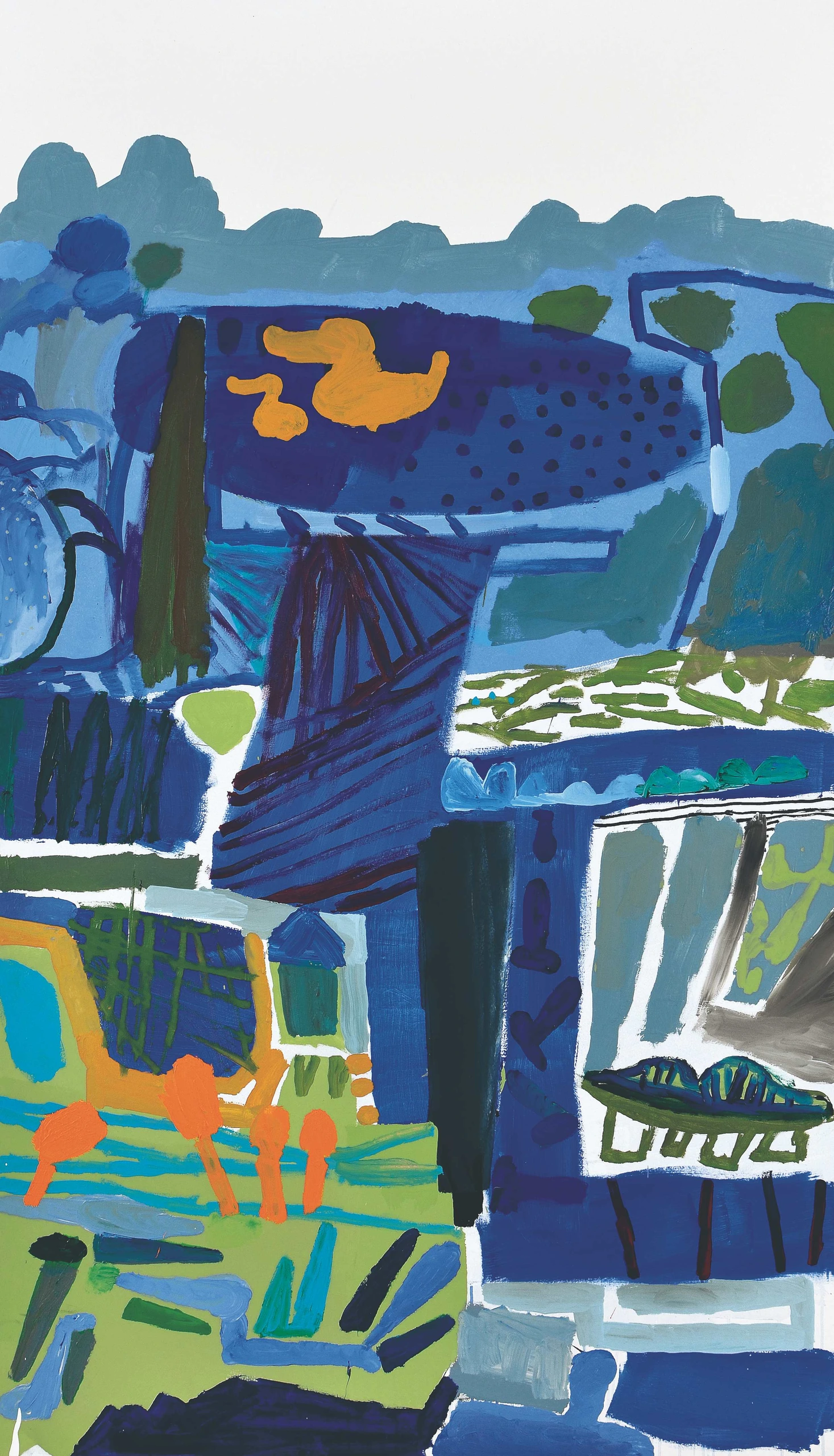
Title
Untitled (Errores Catalogue)
Technique
Acrylic on canvas
Dimensions
213 x 122 cm
Year
( 2019 )

Title
La cascada (Souvenir del Valle)
Technique
Acrylic on canvas
Dimensions
200 x 140 cm
Year
( 2019 )
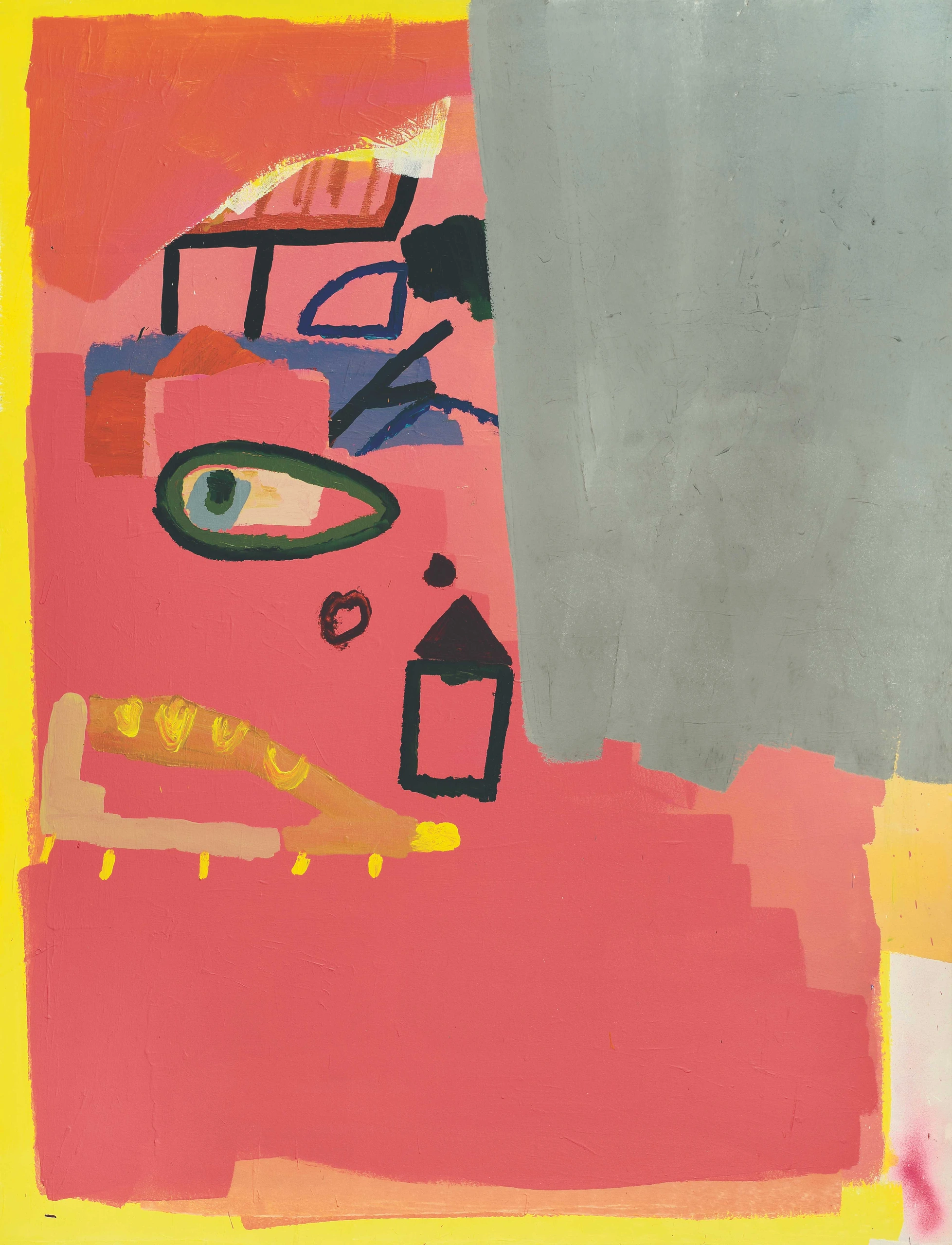
Title
Untitled (Errores Catalogue)
Technique
Acrylic on canvas
Dimensions
160 x 122 cm
Year
( 2019 )
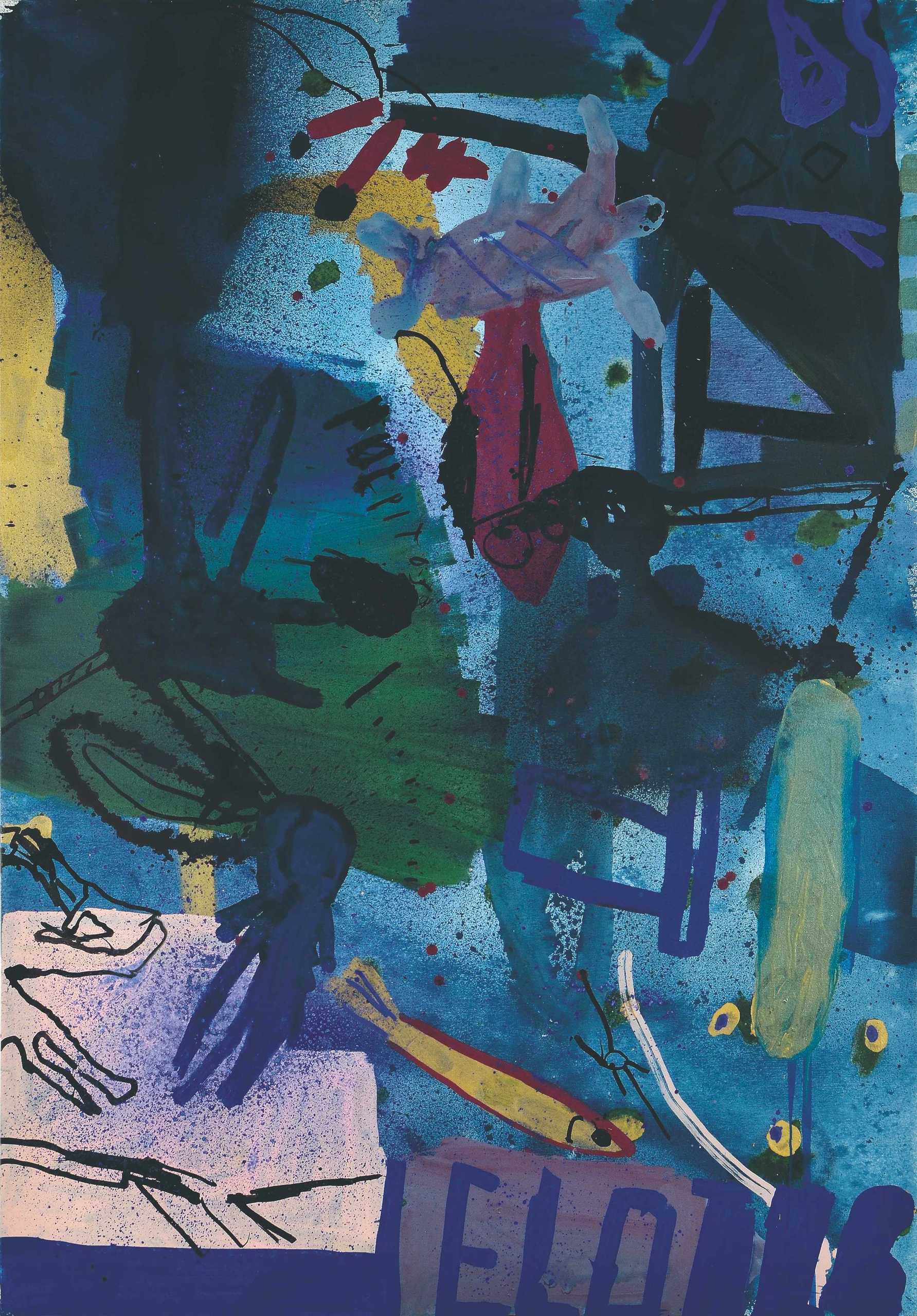
Title
Marisquería (Souvenir del Valle)
Technique
Acrylic on canvas
Dimensions
200 x 140 cm
Year
( 2019 )
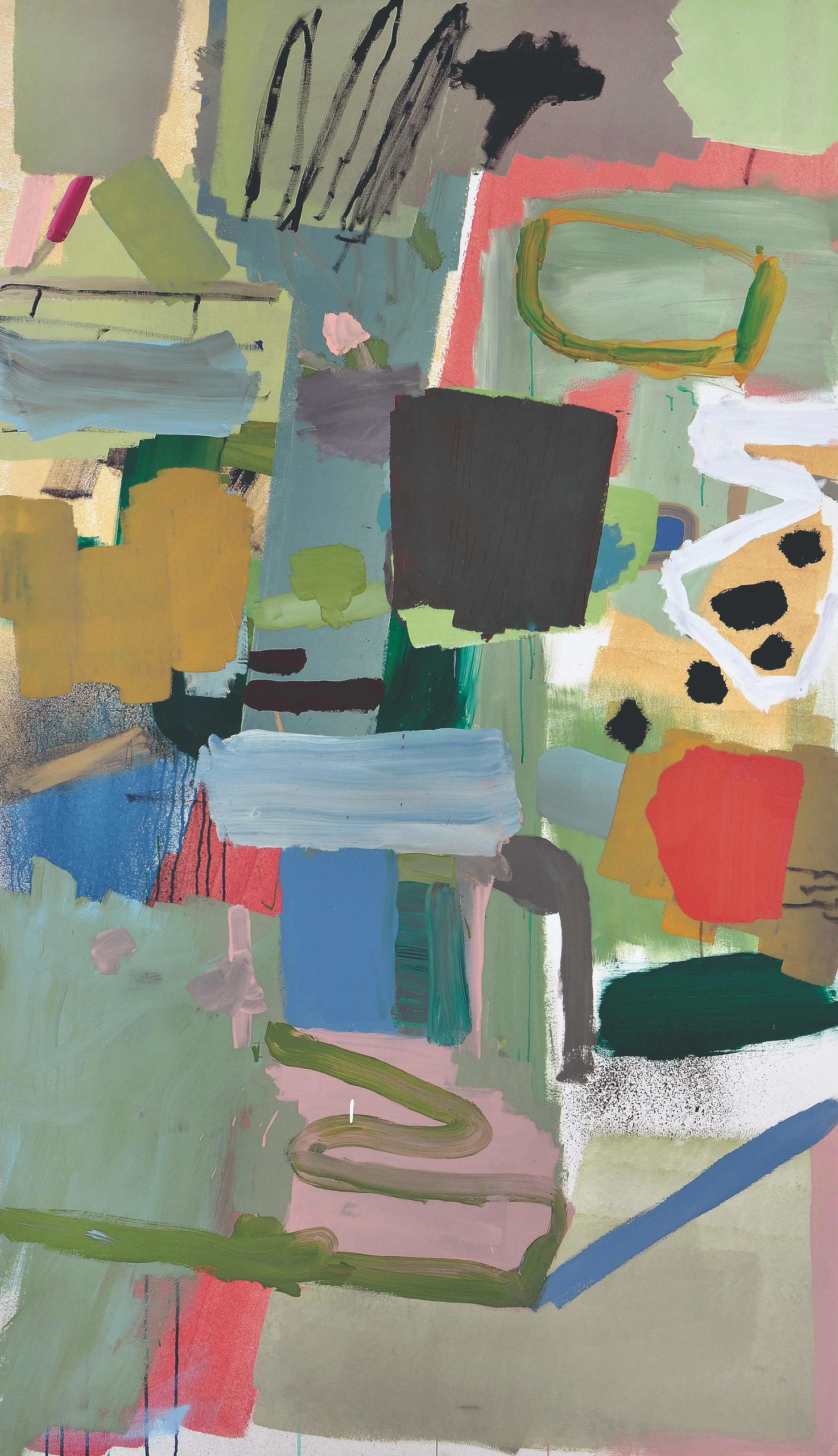
Title
Untitled (Errores Catalogue)
Technique
Acrylic on canvas
Dimensions
213 x 122 cm
Year
( 2019 )
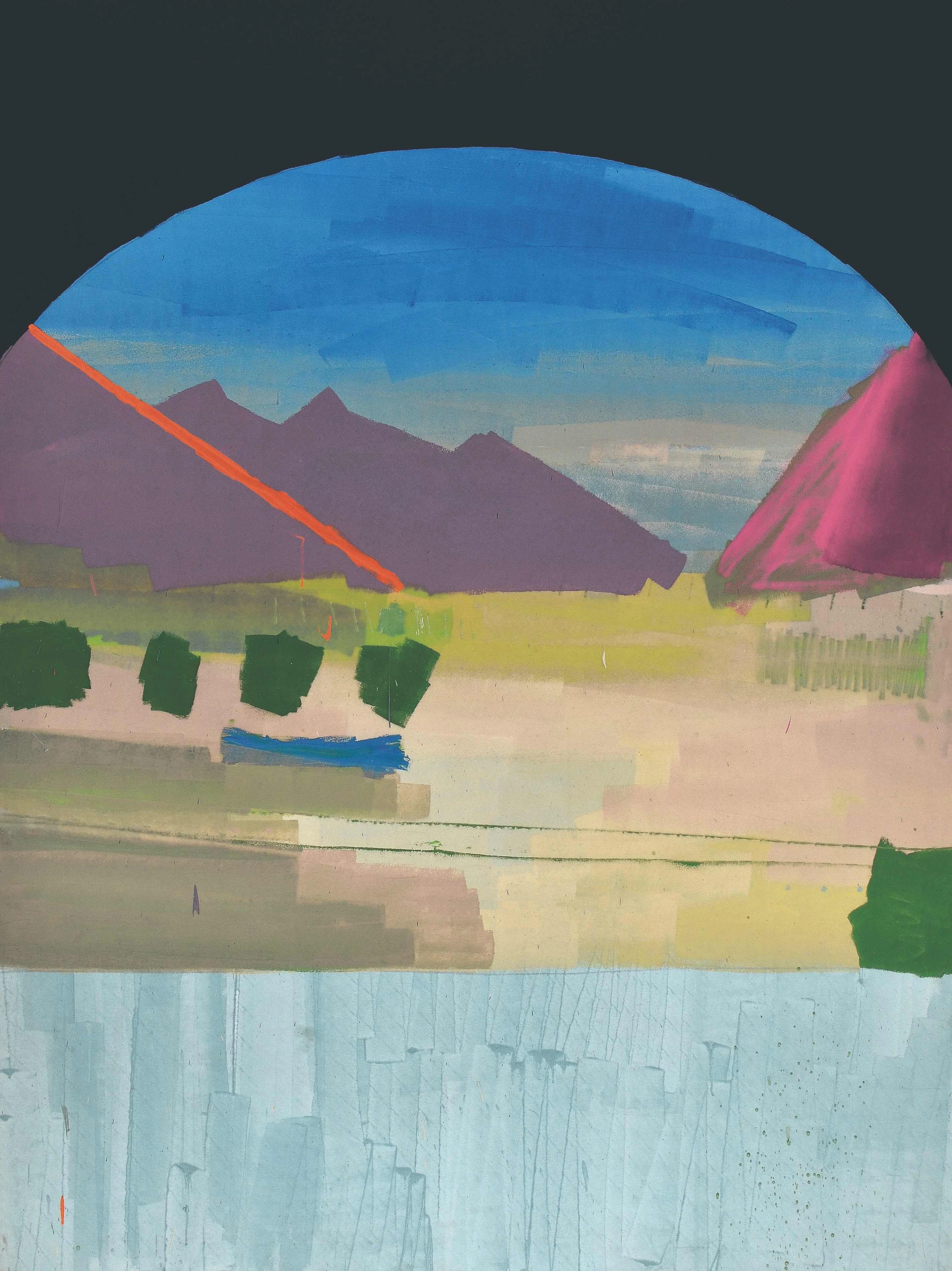
Title
Santo Tomás (Souvenir del Valle)
Technique
Acrylic on canvas
Dimensions
244 x 183 cm
Year
( 2018 )
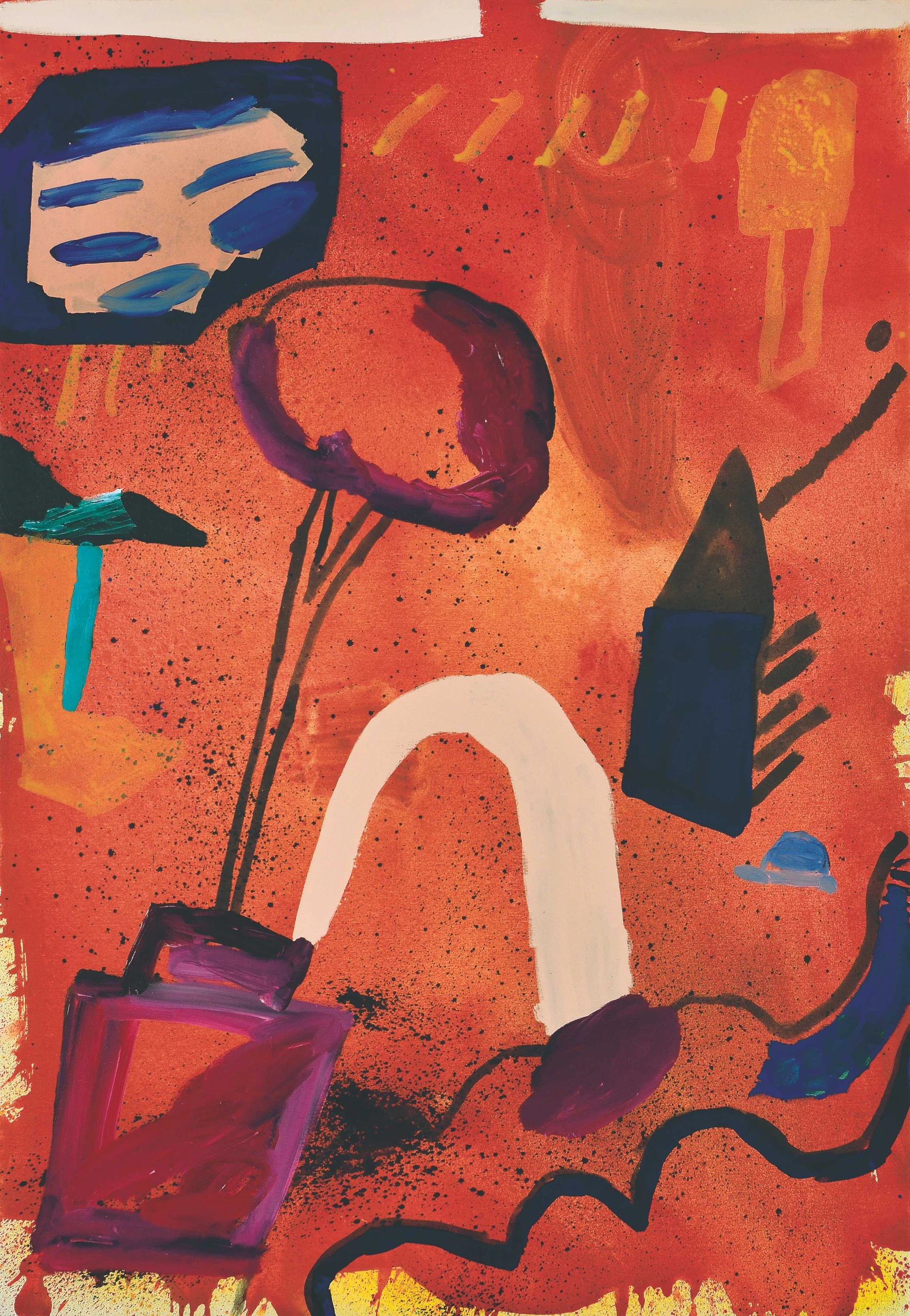
Title
Guadalupe (Souvenir del Valle)
Technique
Acrylic on canvas
Dimensions
200 x 140 cm
Year
( 2019 )
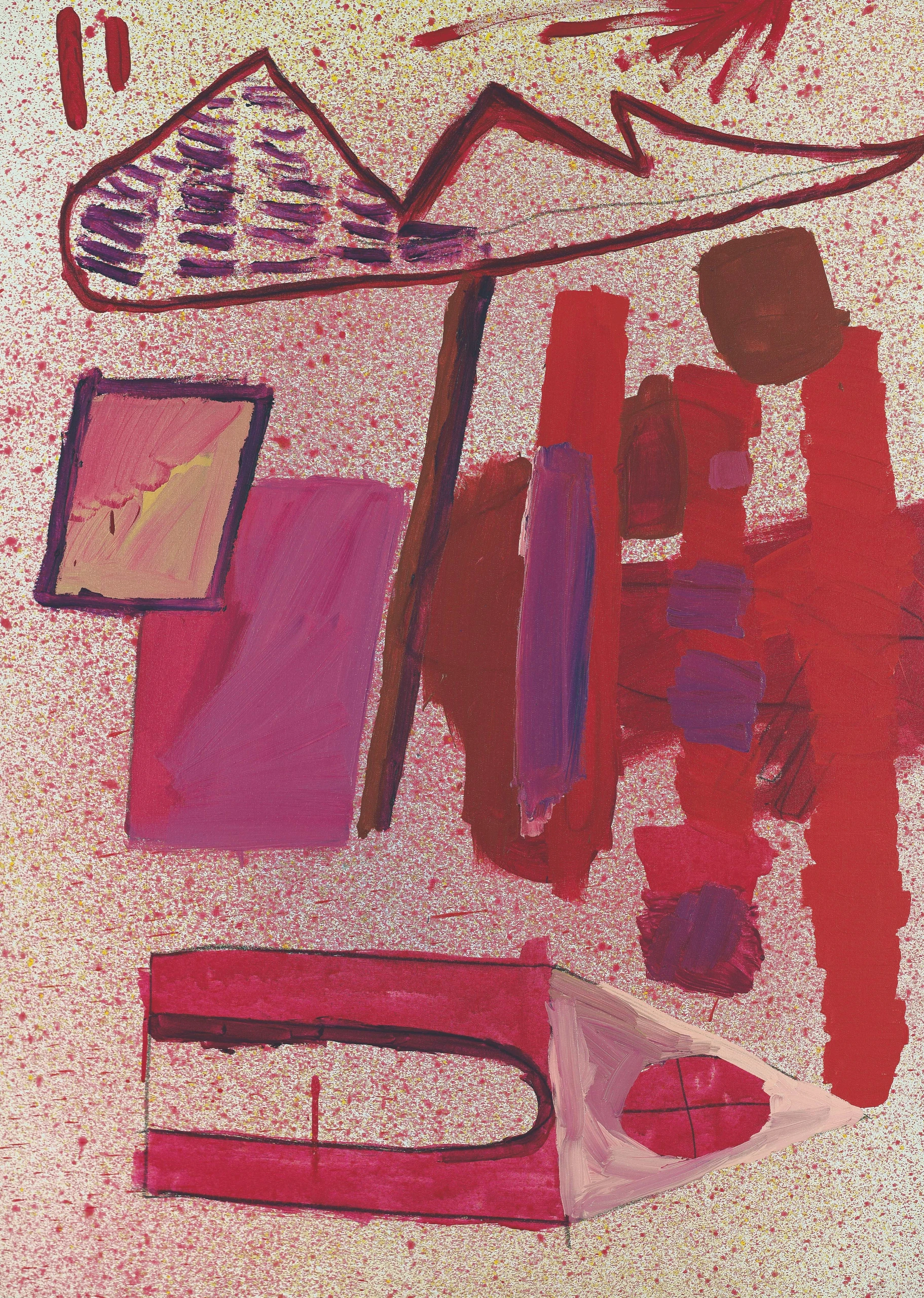
Title
Untitled (Errores Catalogue)
Technique
Acrylic on canvas
Dimensions
122 x 86 cm
Year
( 2021 )
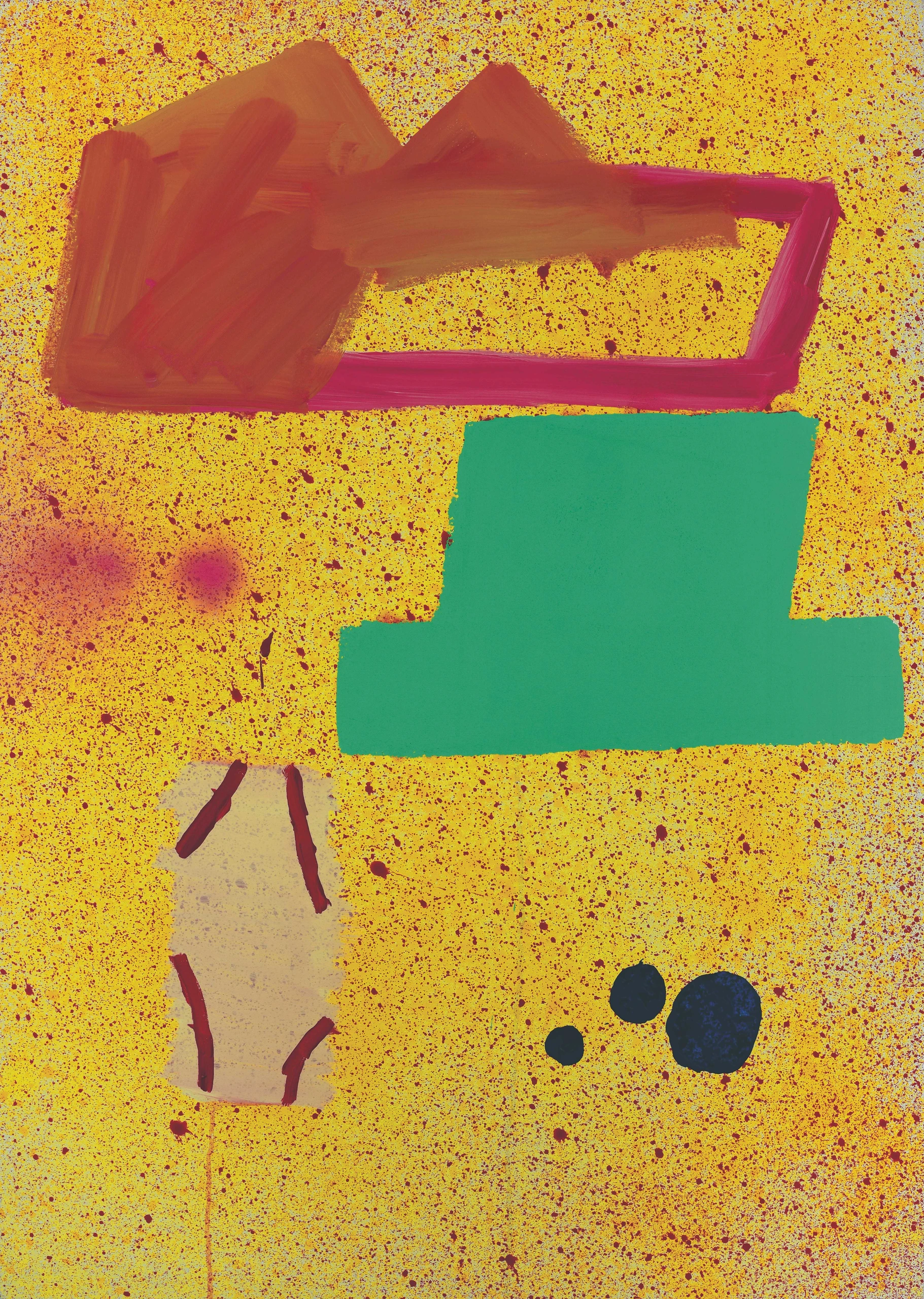
Title
Untitled (Errores Catalogue)
Technique
Acrylic on canvas
Dimensions
122 x 86 cm
Year
( 2021 )
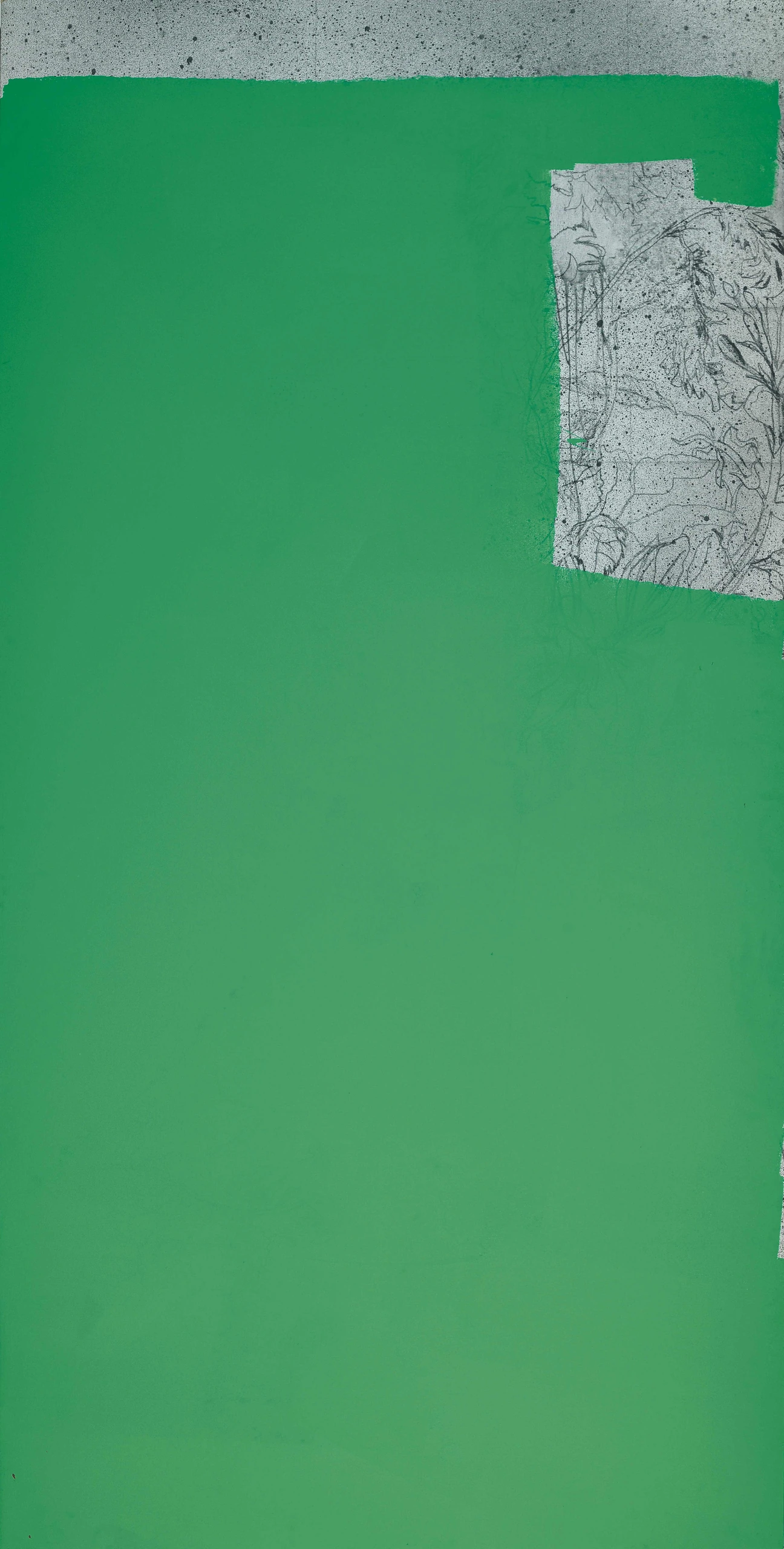
Title
Untitled (Errores Catalogue)
Technique
Acrylic on canvas
Dimensions
305 x 153 cm
Year
( 2021 )
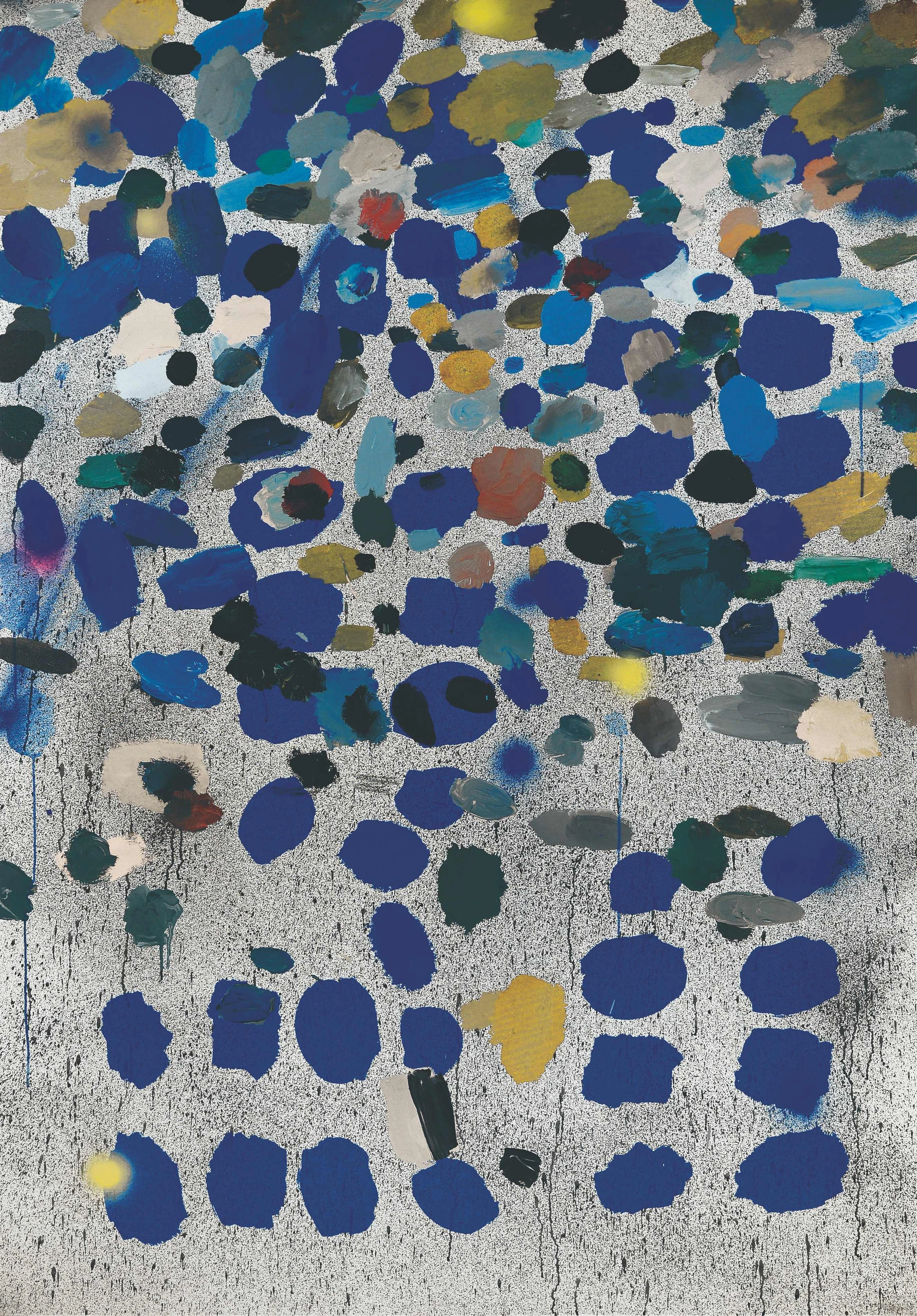
Title
Untitled (Errores Catalogue)
Technique
Acrylic on canvas
Dimensions
200 x 140 cm
Year
( 2020 )
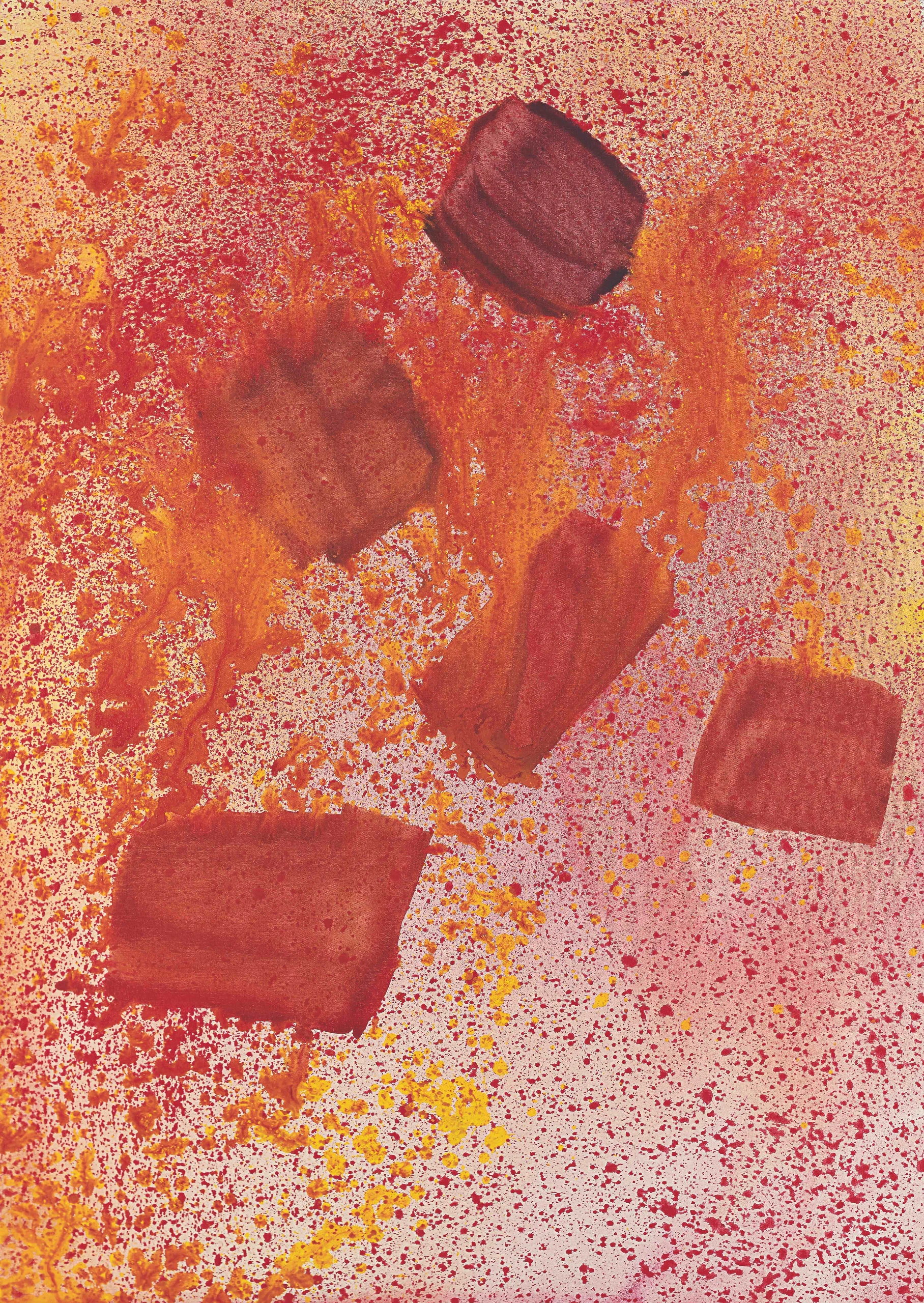
Title
Untitled (Errores Catalogue)
Technique
Acrylic on canvas
Dimensions
122 x 86 cm
Year
( 2021 )
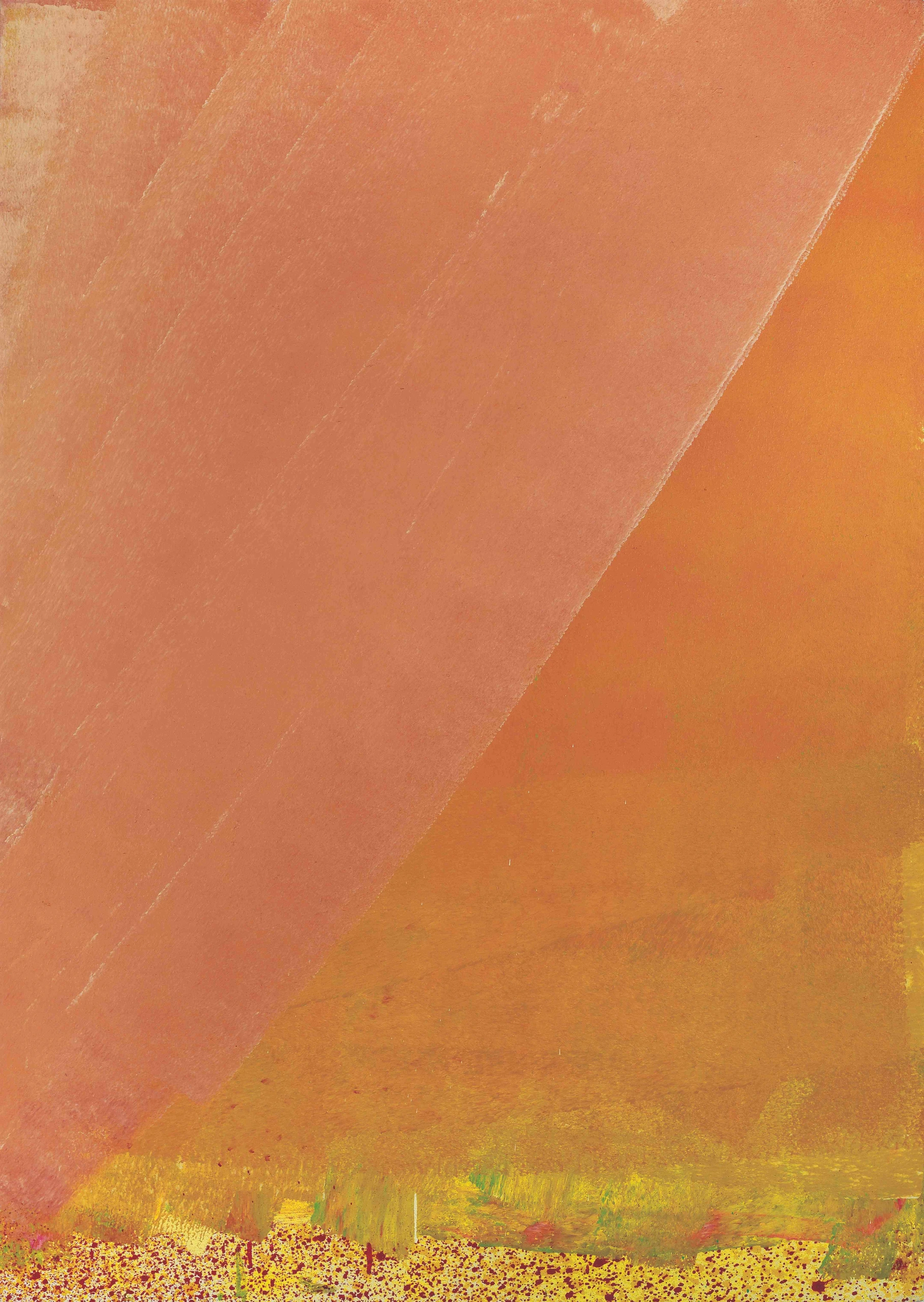
Title
Untitled (Errores Catalogue)
Technique
Acrylic on canvas
Dimensions
122 x 86 cm
Year
( 2021 )
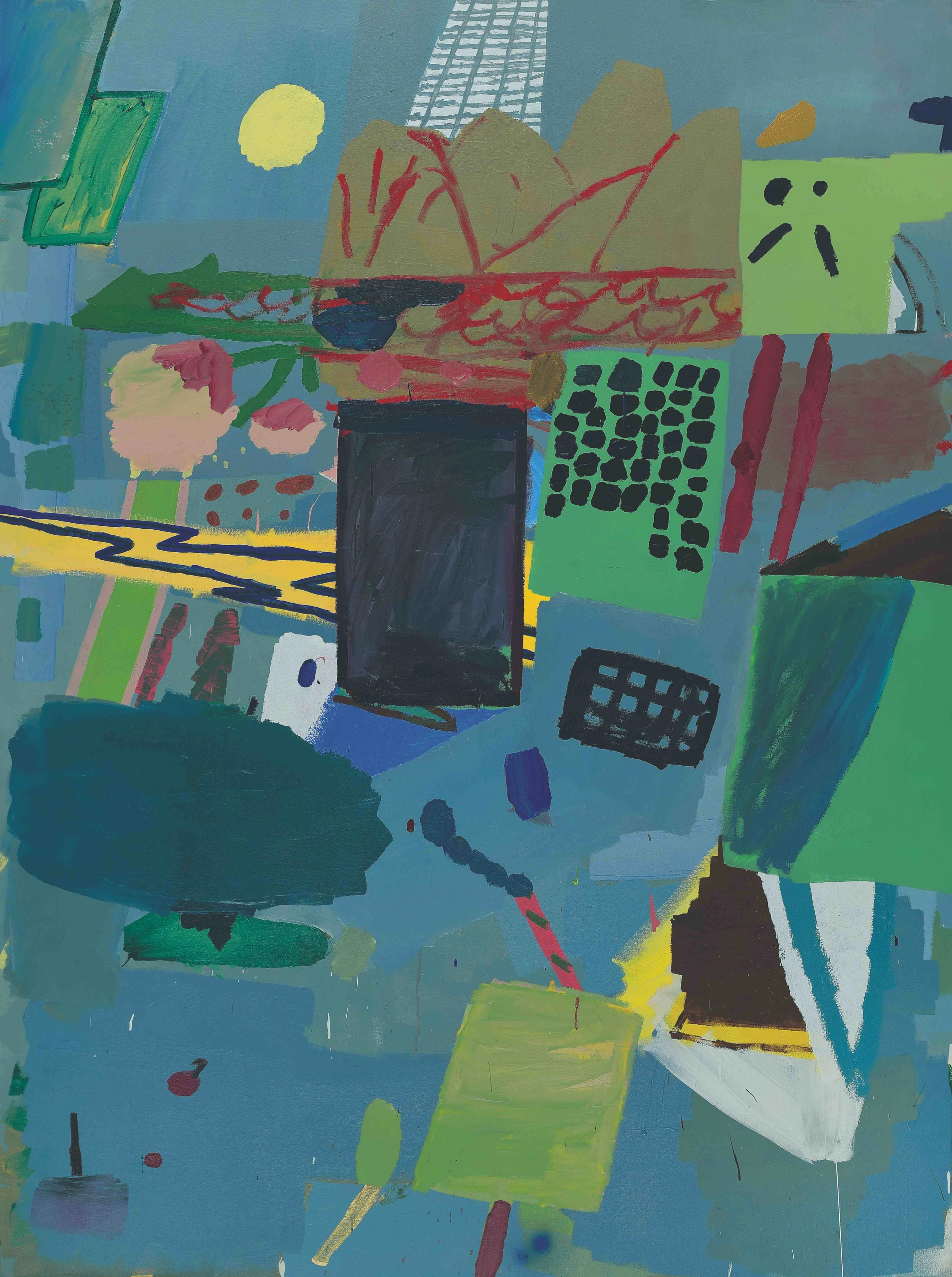
Title
Untitled (Errores Catalogue)
Technique
Acrylic on canvas
Dimensions
244 x 183 cm
Year
( 2021 )
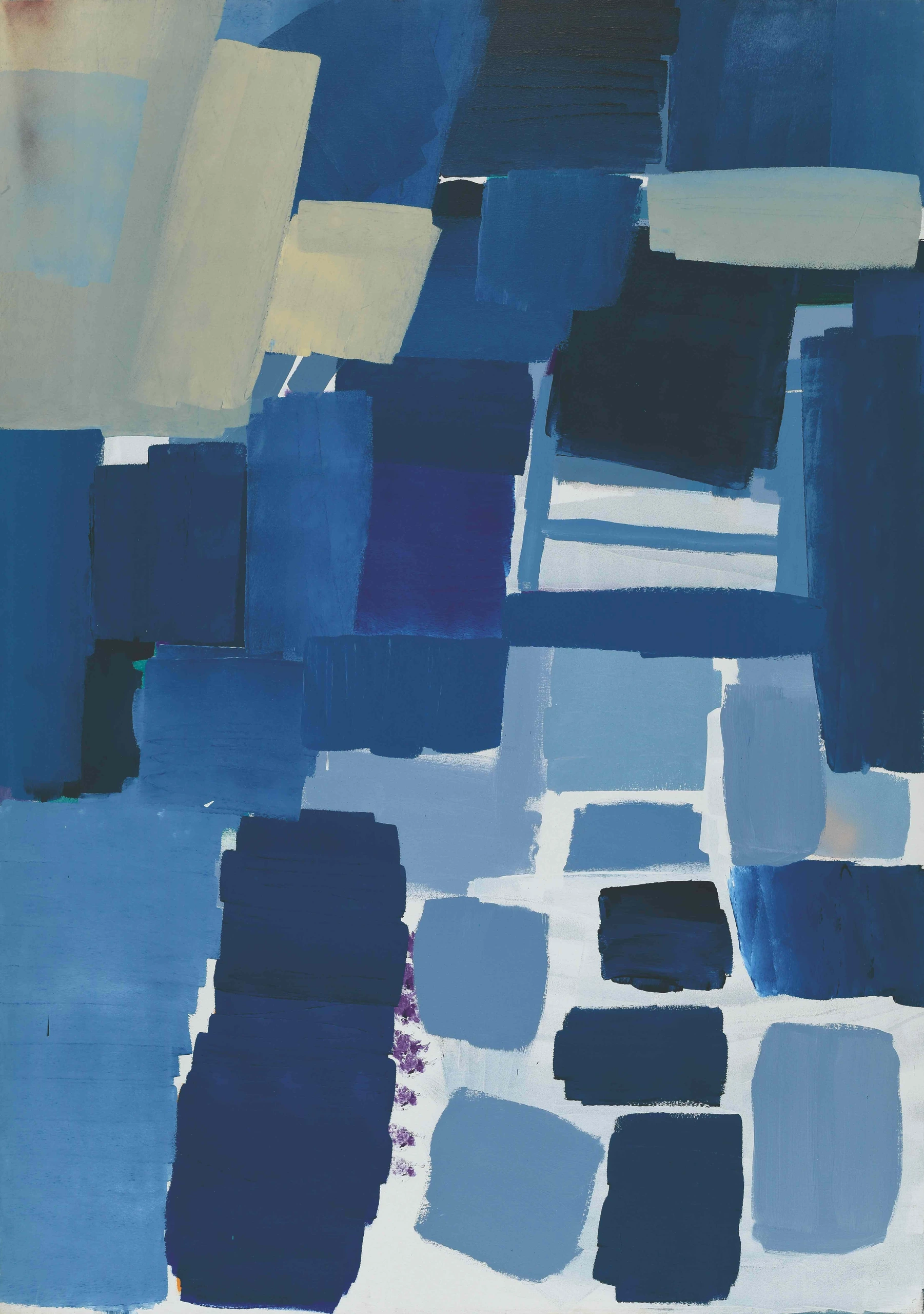
Title
Untitled (Errores Catalogue)
Technique
Acrylic on canvas
Dimensions
200 x 140 cm
Year
( 2020 )
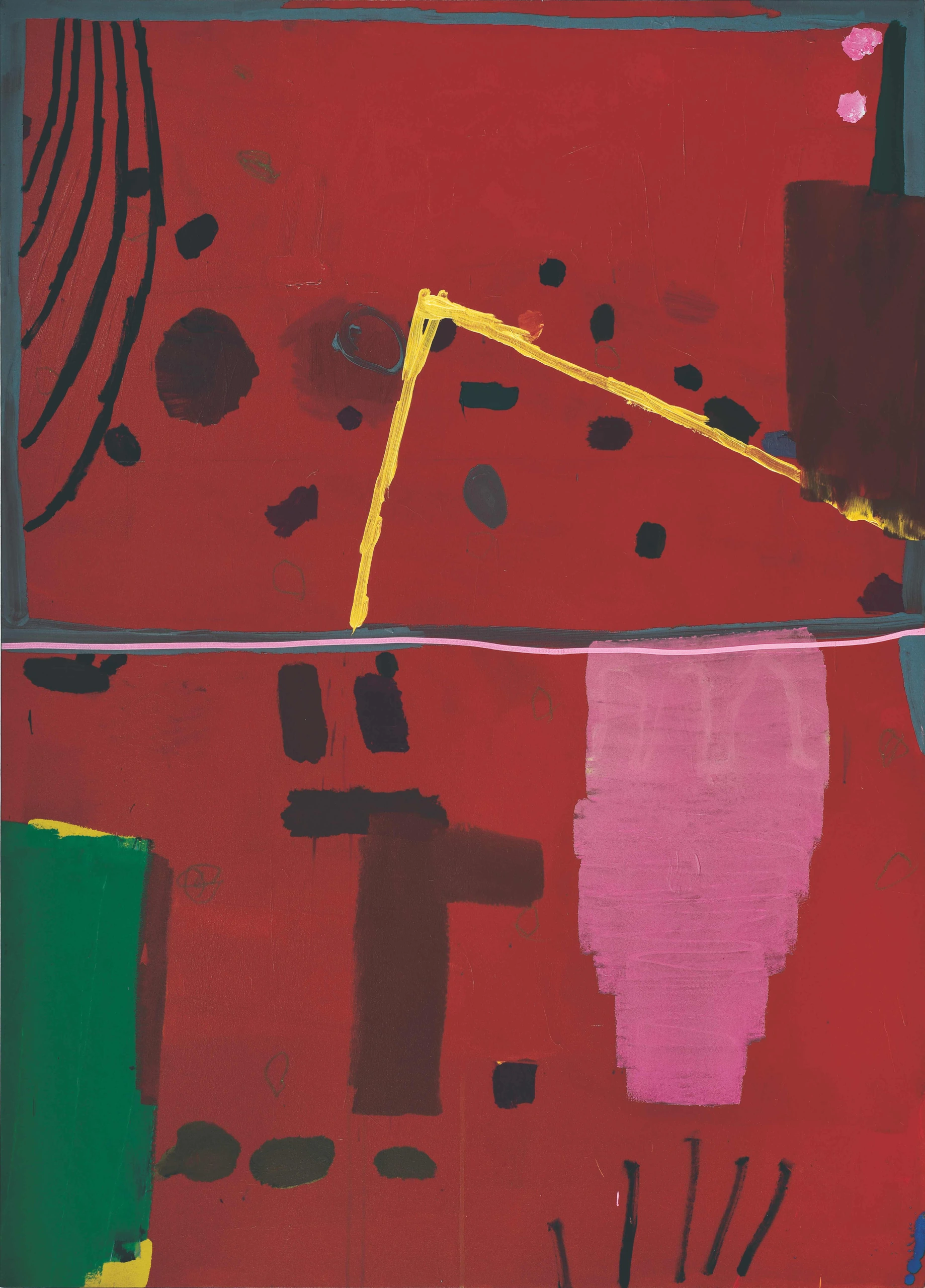
Title
Untitled (Errores Catalogue)
Technique
Acrylic on canvas
Dimensions
170 x 122 cm
Year
( 2018 )
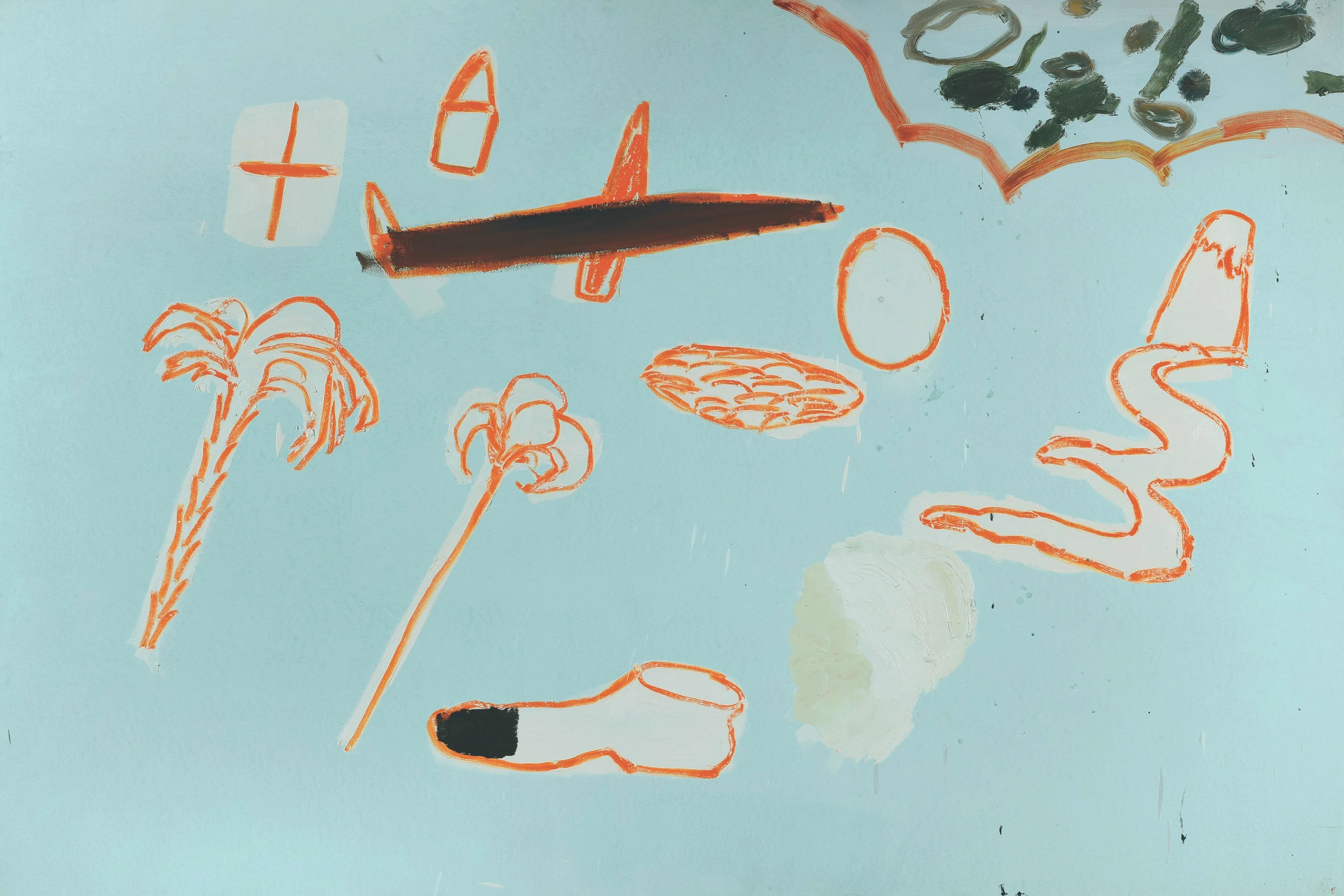
Title
Untitled (Errores Catalogue)
Technique
Oil on canvas
Dimensions
122 x 183 cm
Year
( 2022 )
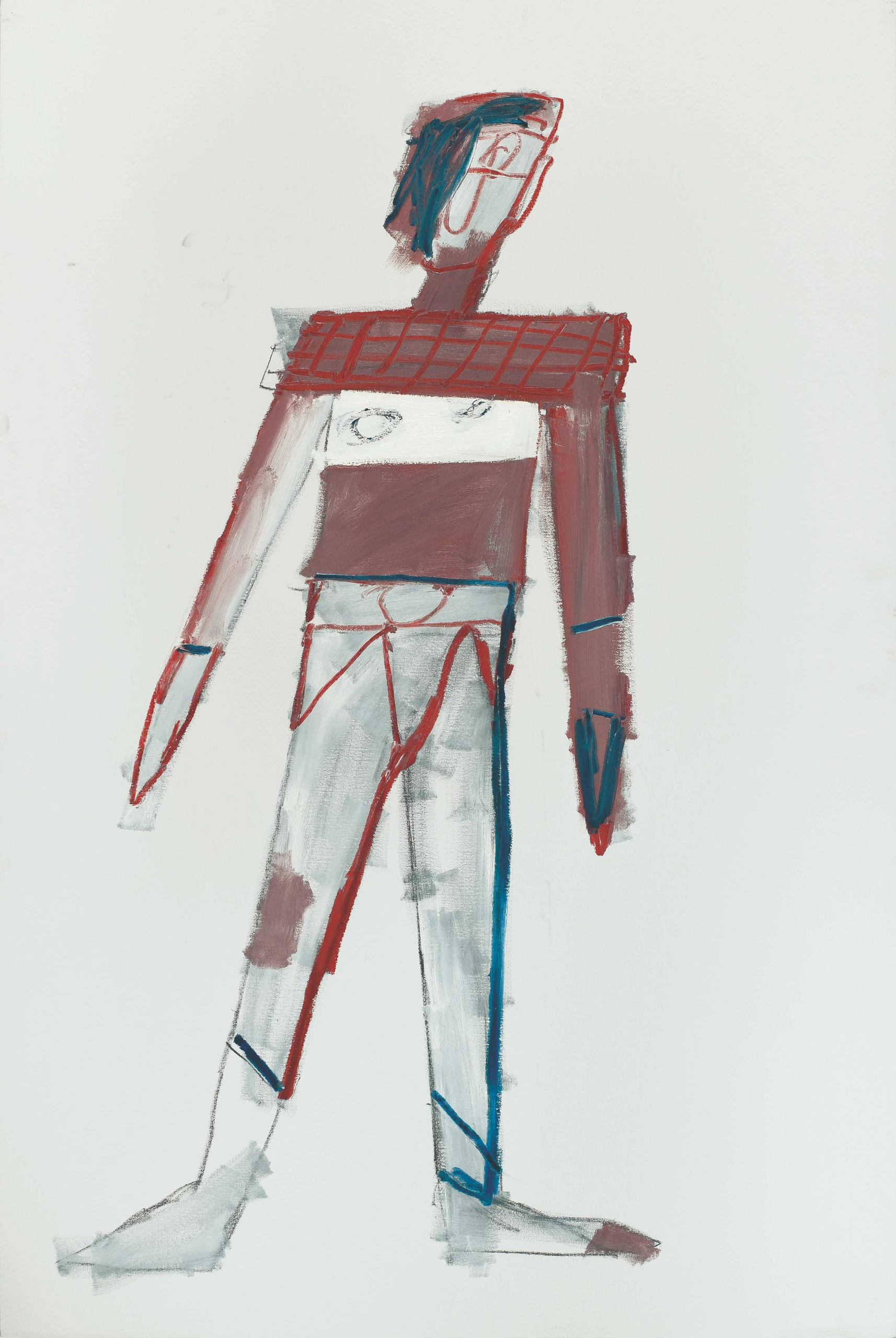
Title
Untitled (Errores Catalogue)
Technique
Oil on canvas
Dimensions
183 x 122 cm
Year
( 2022 )
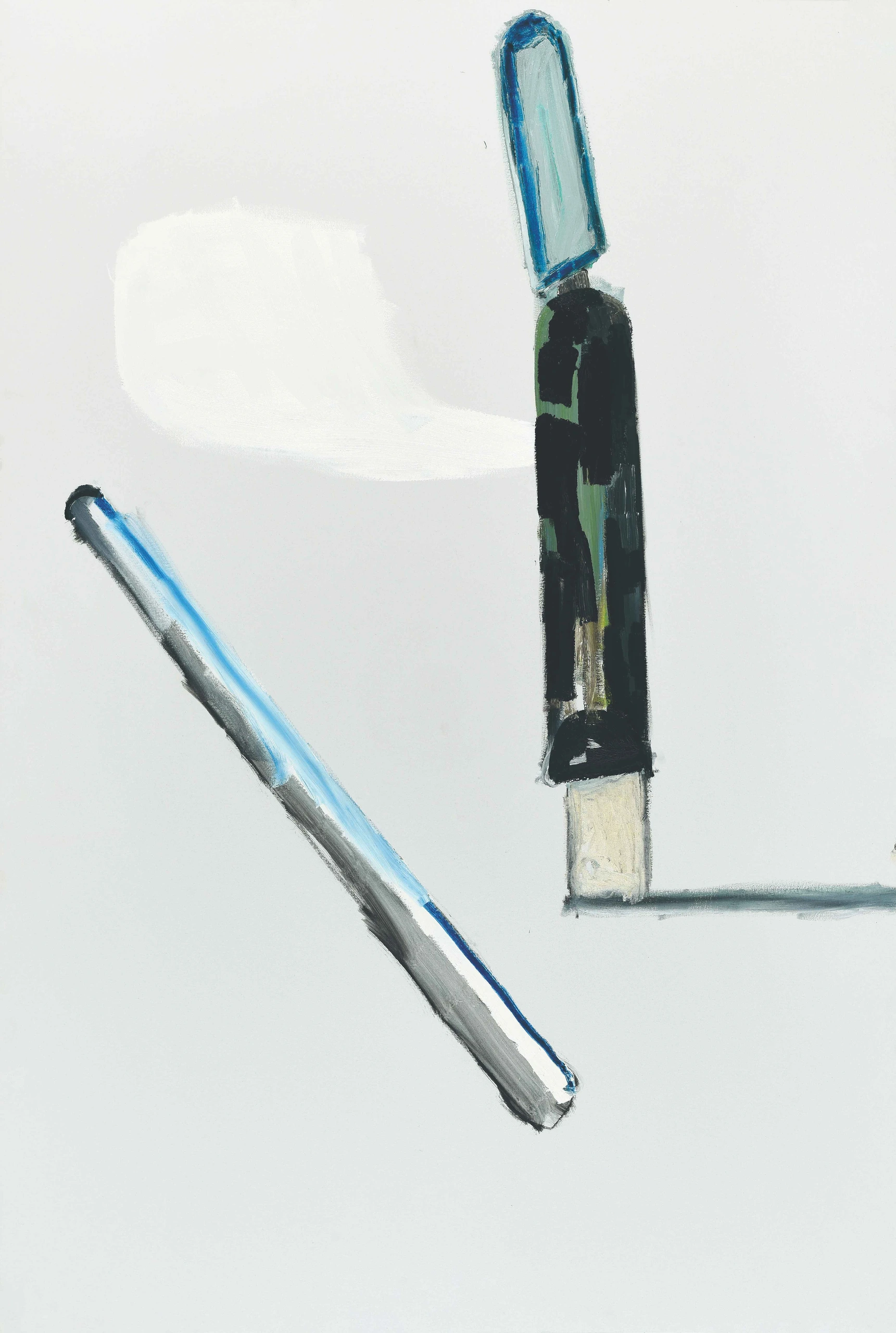
Title
Untitled (Errores Catalogue)
Technique
Oil on canvas
Dimensions
183 x 122 cm
Year
( 2022 )
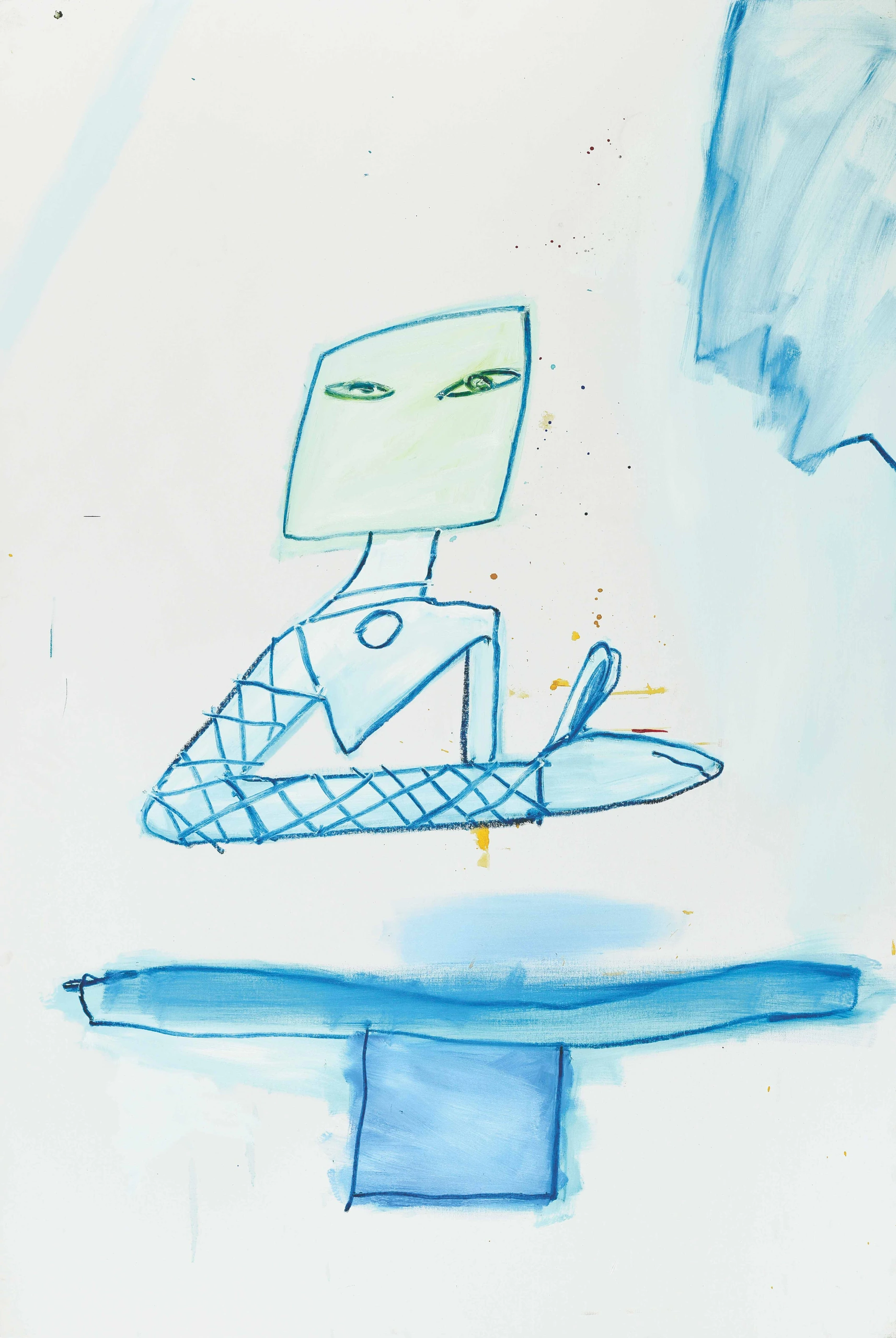
Title
Untitled (Errores Catalogue)
Technique
Oil on canvas
Dimensions
183 x 122 cm
Year
( 2022 )
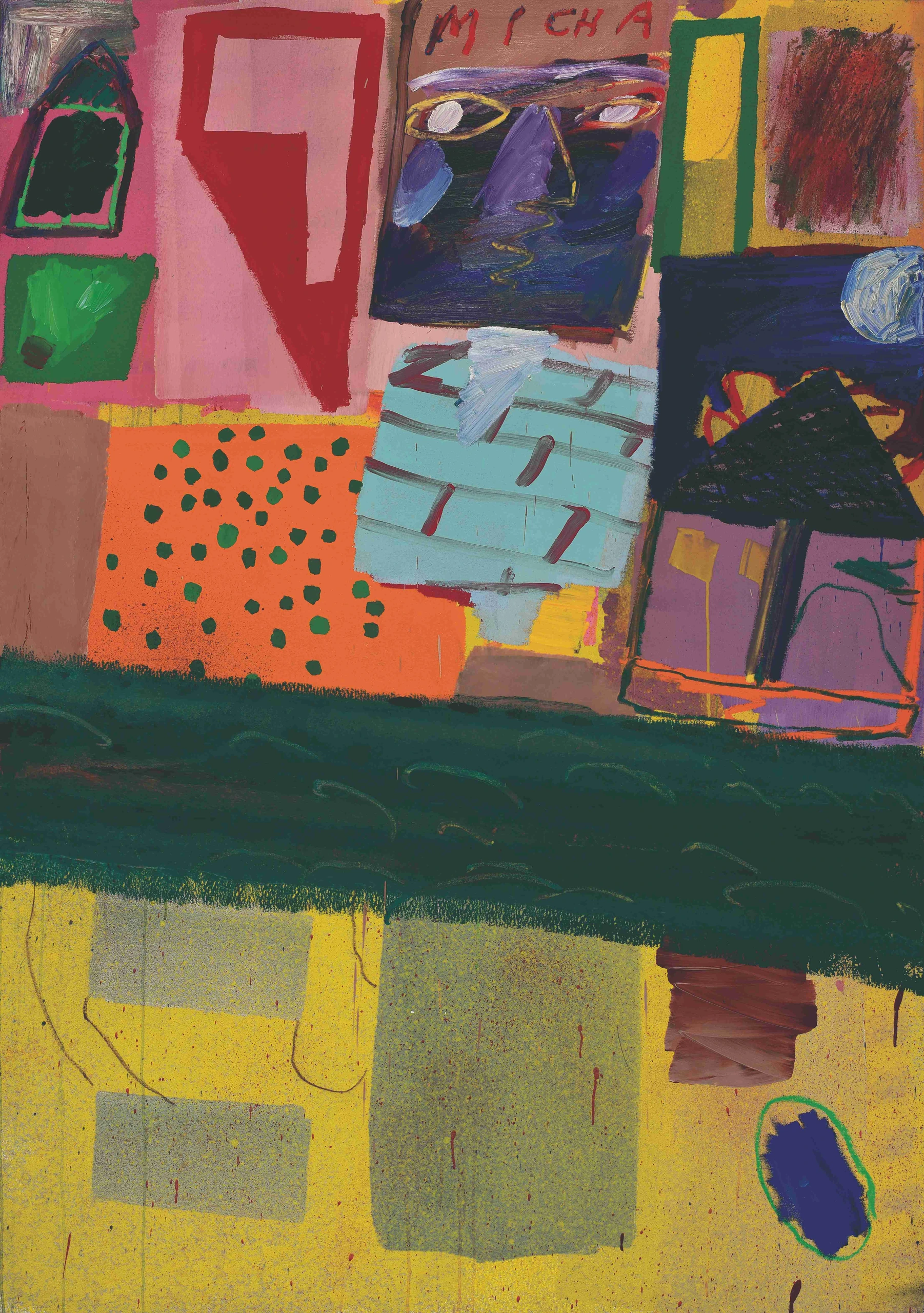
Title
Untitled (Errores Catalogue)
Technique
Acrylic and oil on canvas
Dimensions
200 x 140 cm
Year
( 2022 )
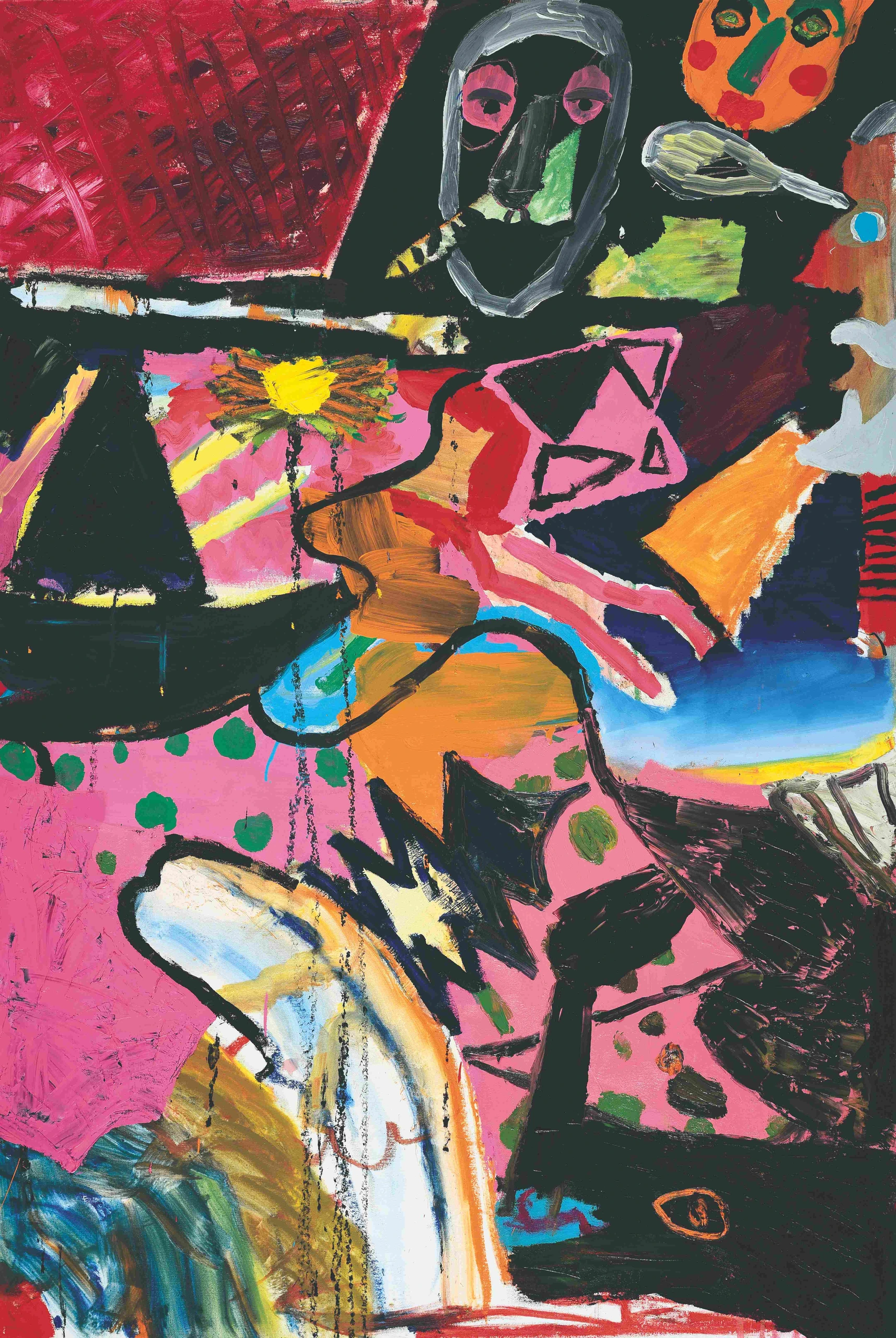
Title
Untitled (Errores Catalogue)
Technique
Oil on canvas
Dimensions
183 x 122 cm
Year
( 2023 )

Title
Untitled (Errores Catalogue)
Technique
Mixed media on printed paper
Dimensions
53.5 x 39.5 cm
Year
( 2020-2022 )
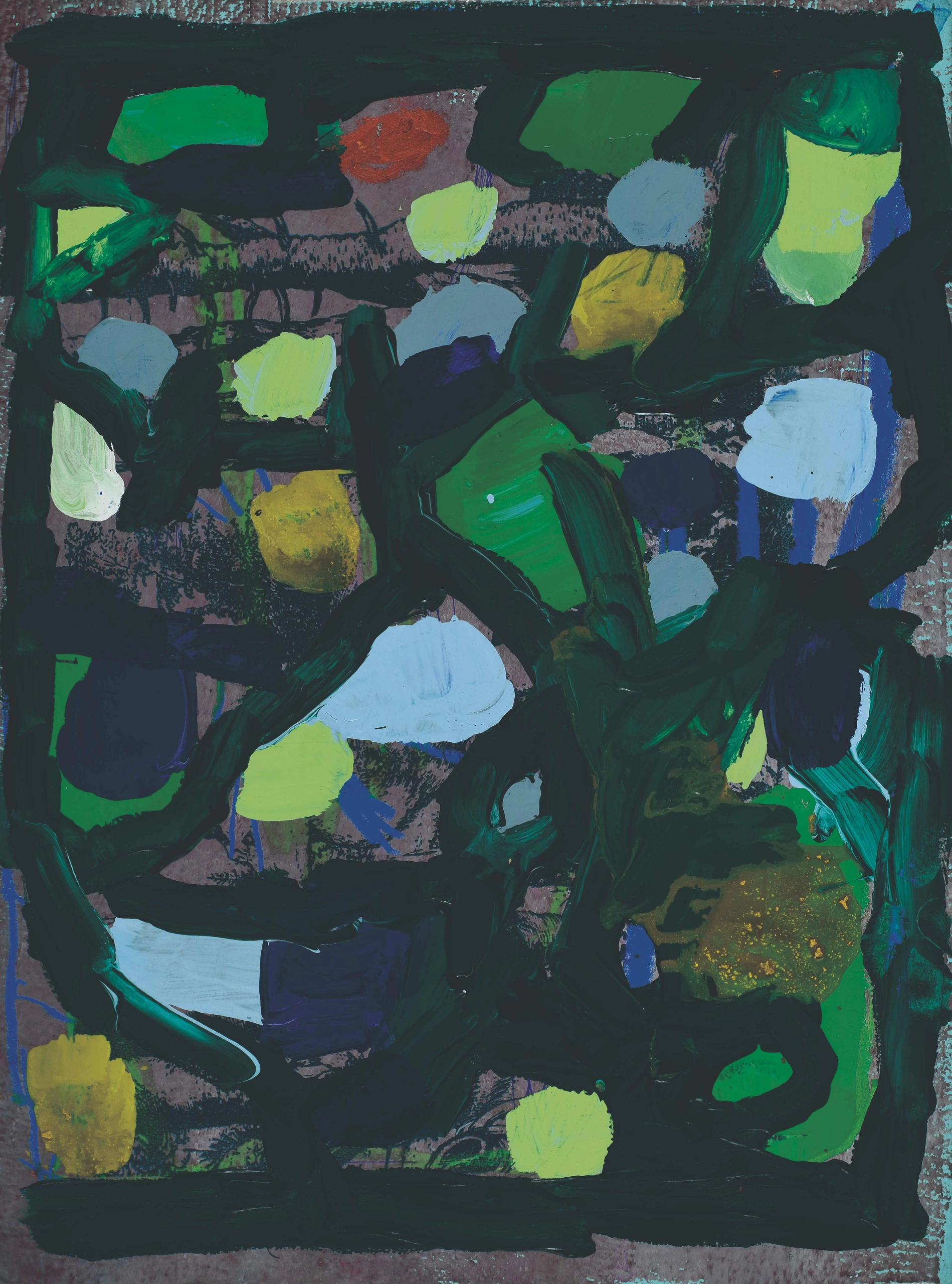
Title
Untitled (Errores Catalogue)
Technique
Mixed media on printed paper
Dimensions
53.5 x 39.5 cm
Year
( 2020-2022 )
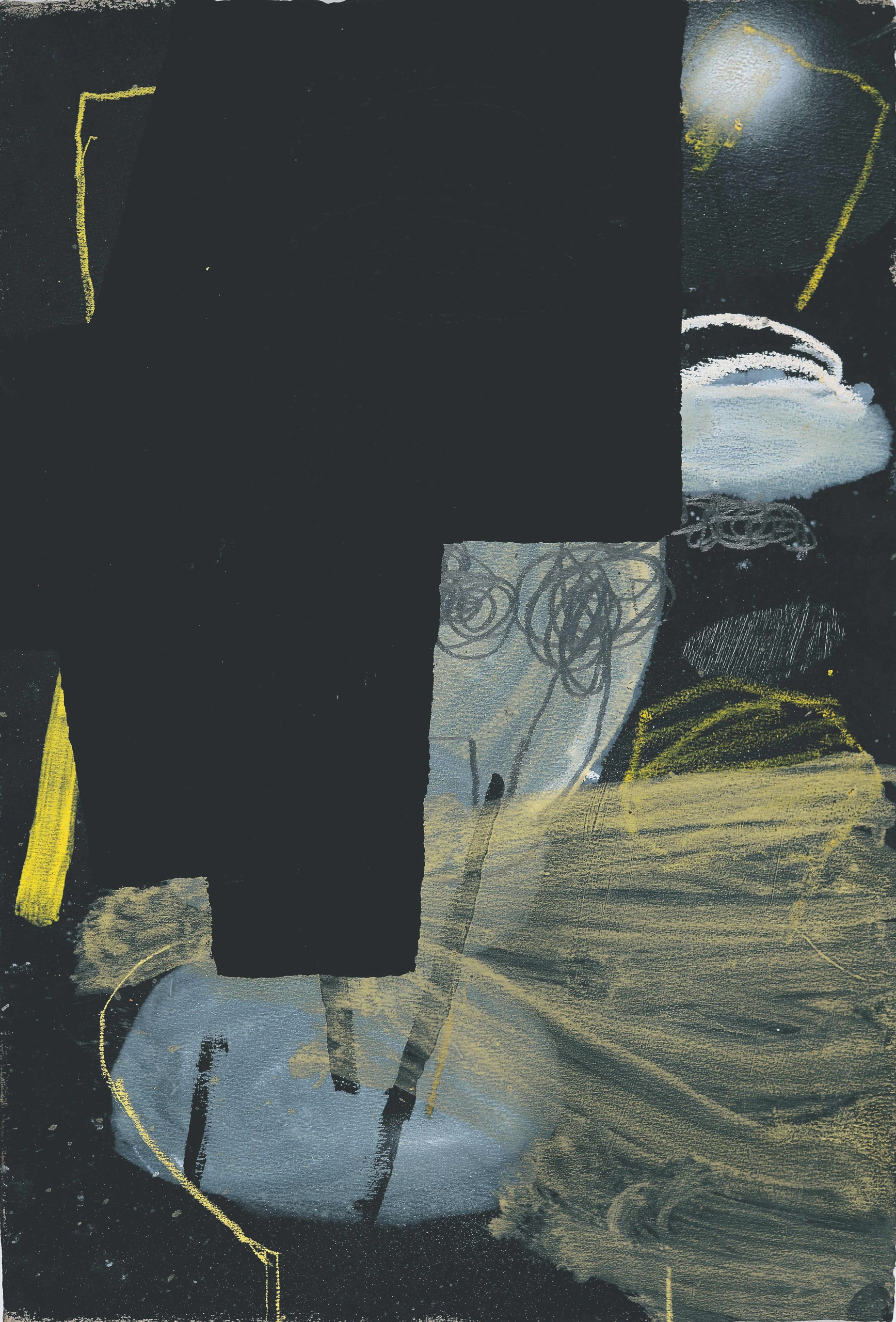
Title
Untitled (Errores Catalogue)
Technique
Mixed media on printed paper
Dimensions
53.5 x 39.5 cm
Year
( 2020-2022 )
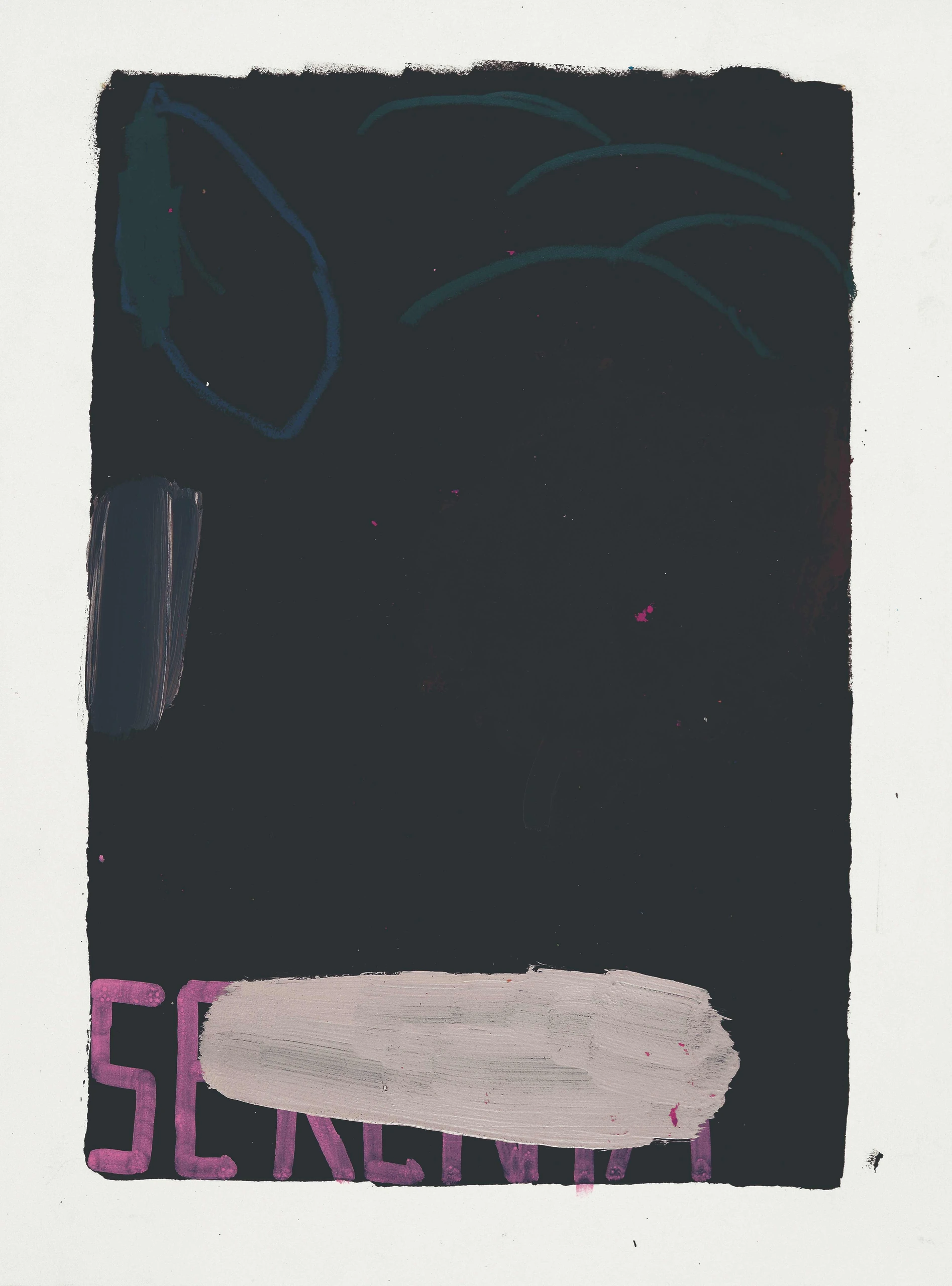
Title
Untitled (Errores Catalogue)
Technique
Mixed media on printed paper
Dimensions
53.5 x 39.5 cm
Year
( 2020-2022 )
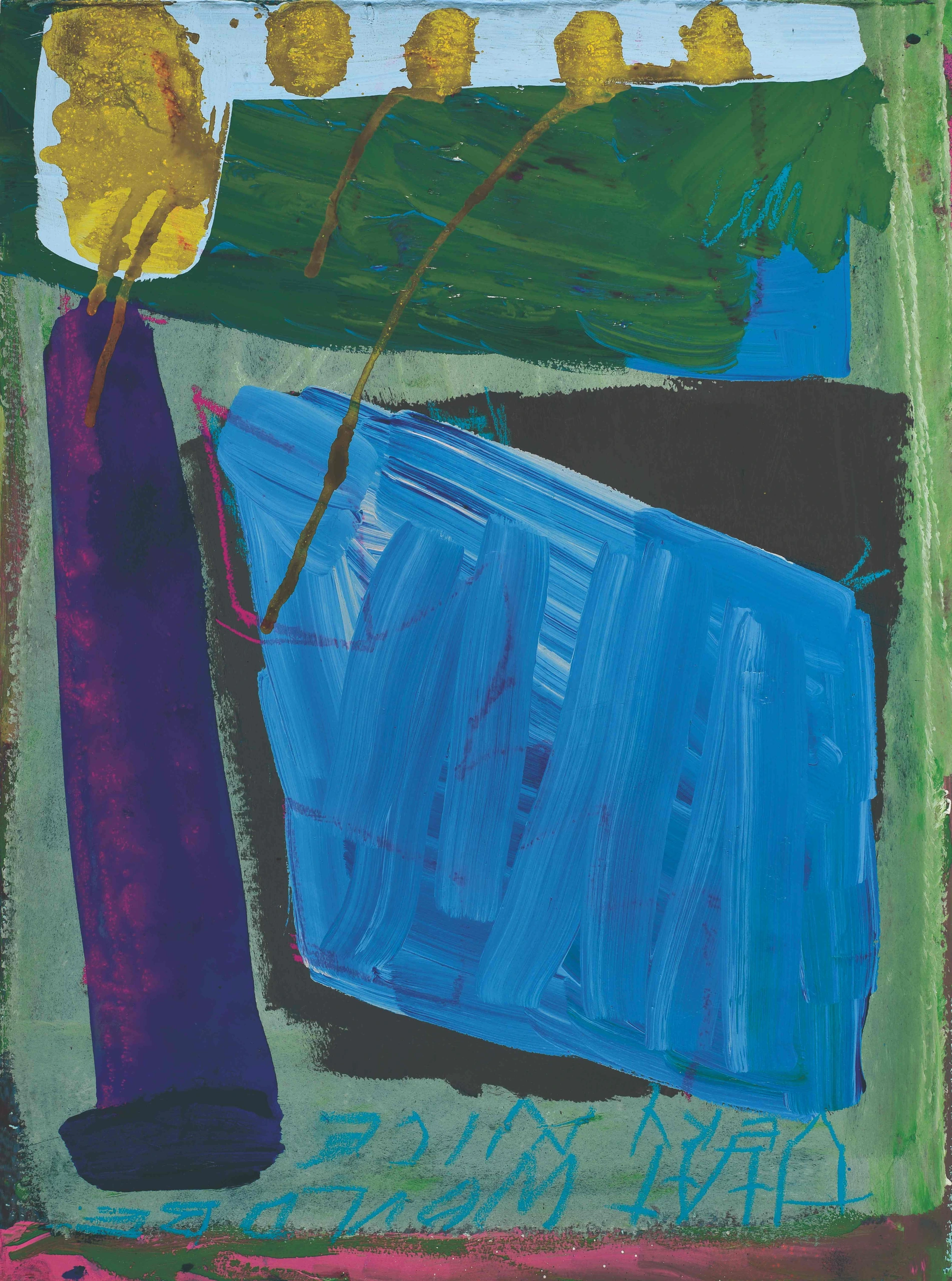
Title
Untitled (Errores Catalogue)
Technique
Mixed media on printed paper
Dimensions
53.5 x 39.5 cm
Year
( 2020-2022 )
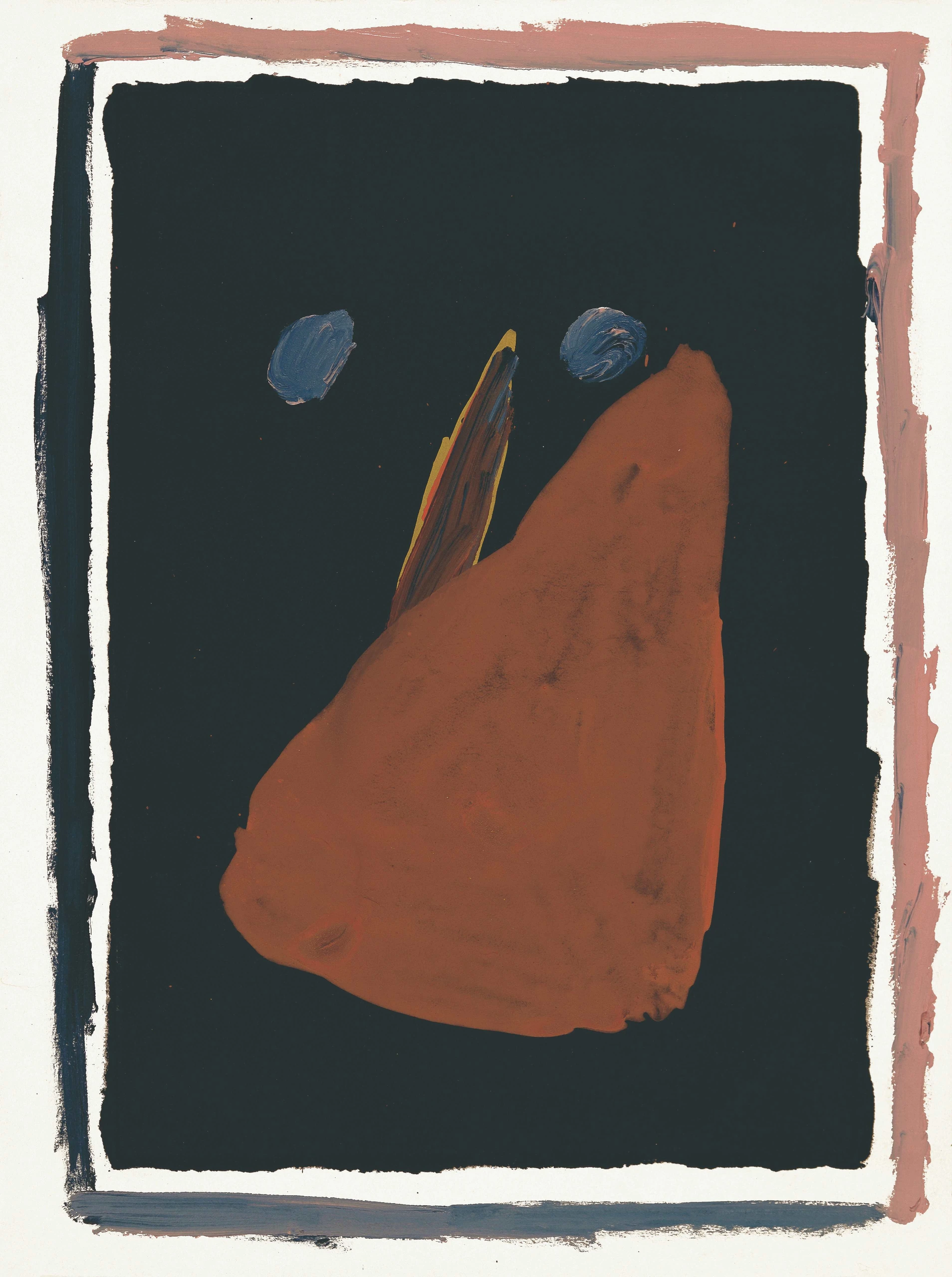
Title
Untitled (Errores Catalogue)
Technique
Mixed media on printed paper
Dimensions
53.5 x 39.5 cm
Year
( 2020-2022 )
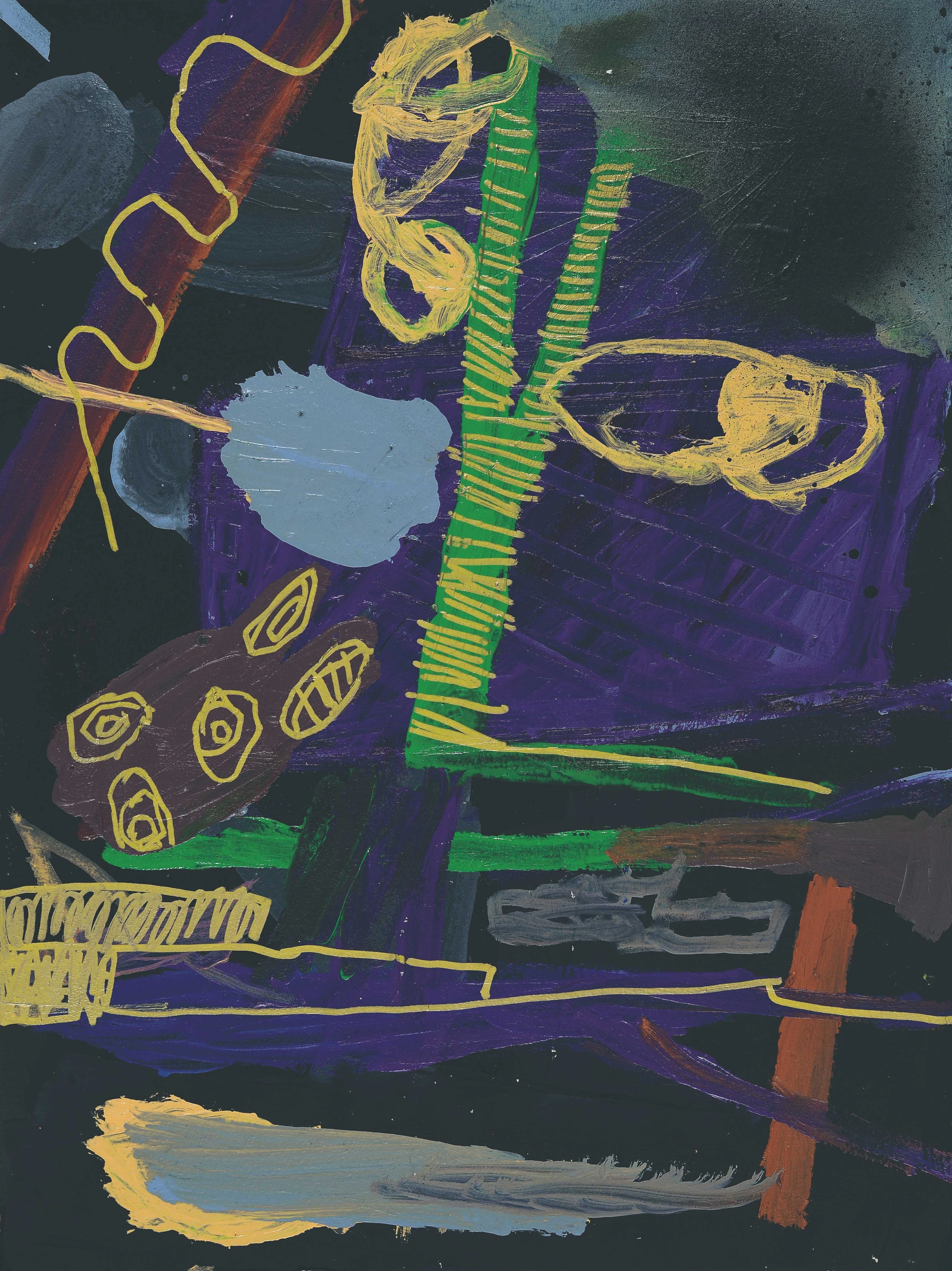
Title
Untitled (Errores Catalogue)
Technique
Mixed media on printed paper
Dimensions
53.5 x 39.5 cm
Year
( 2020-2022 )
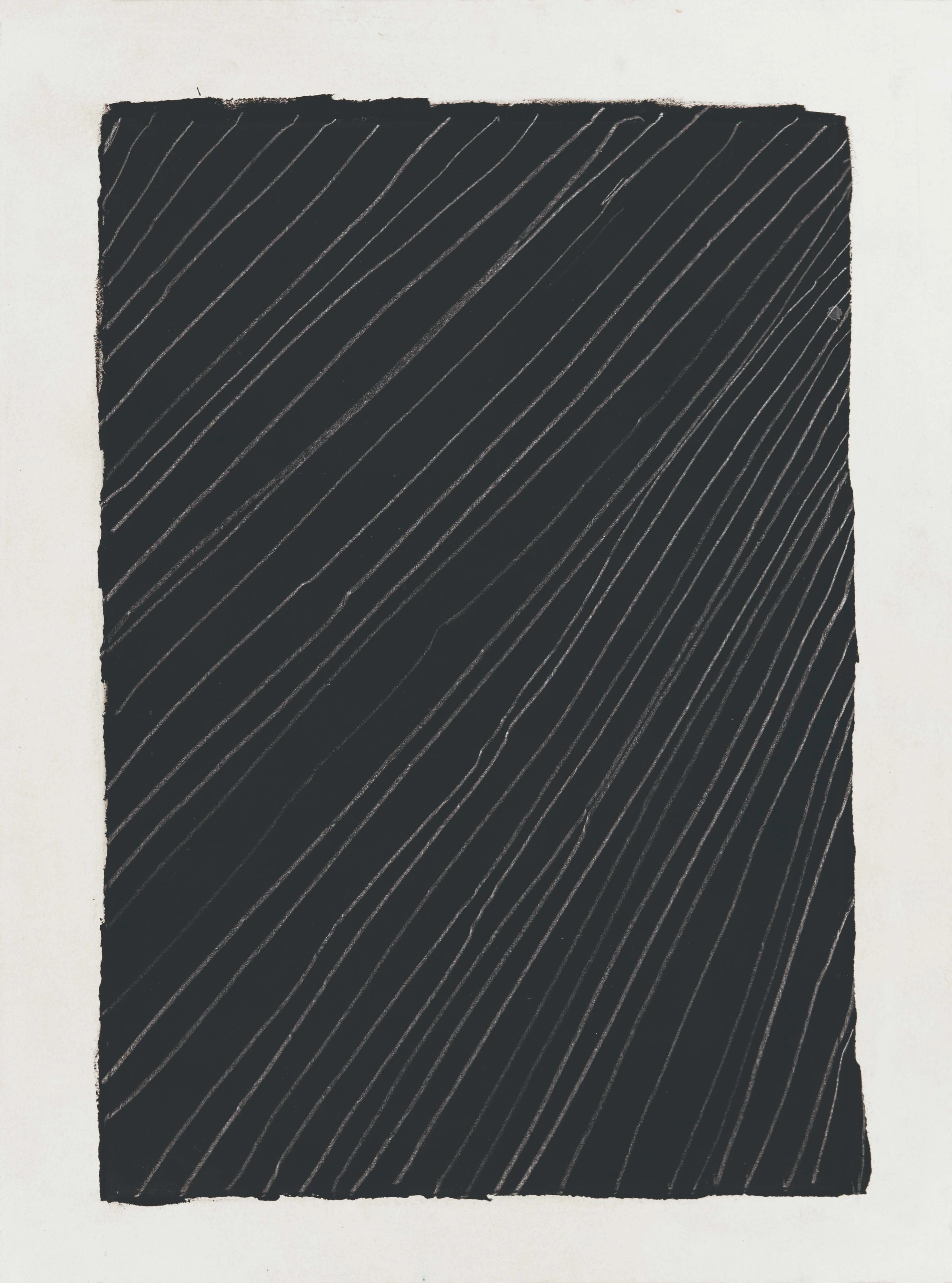
Title
Untitled (Errores Catalogue)
Technique
Mixed media on printed paper
Dimensions
53.5 x 39.5 cm
Year
( 2020-2022 )
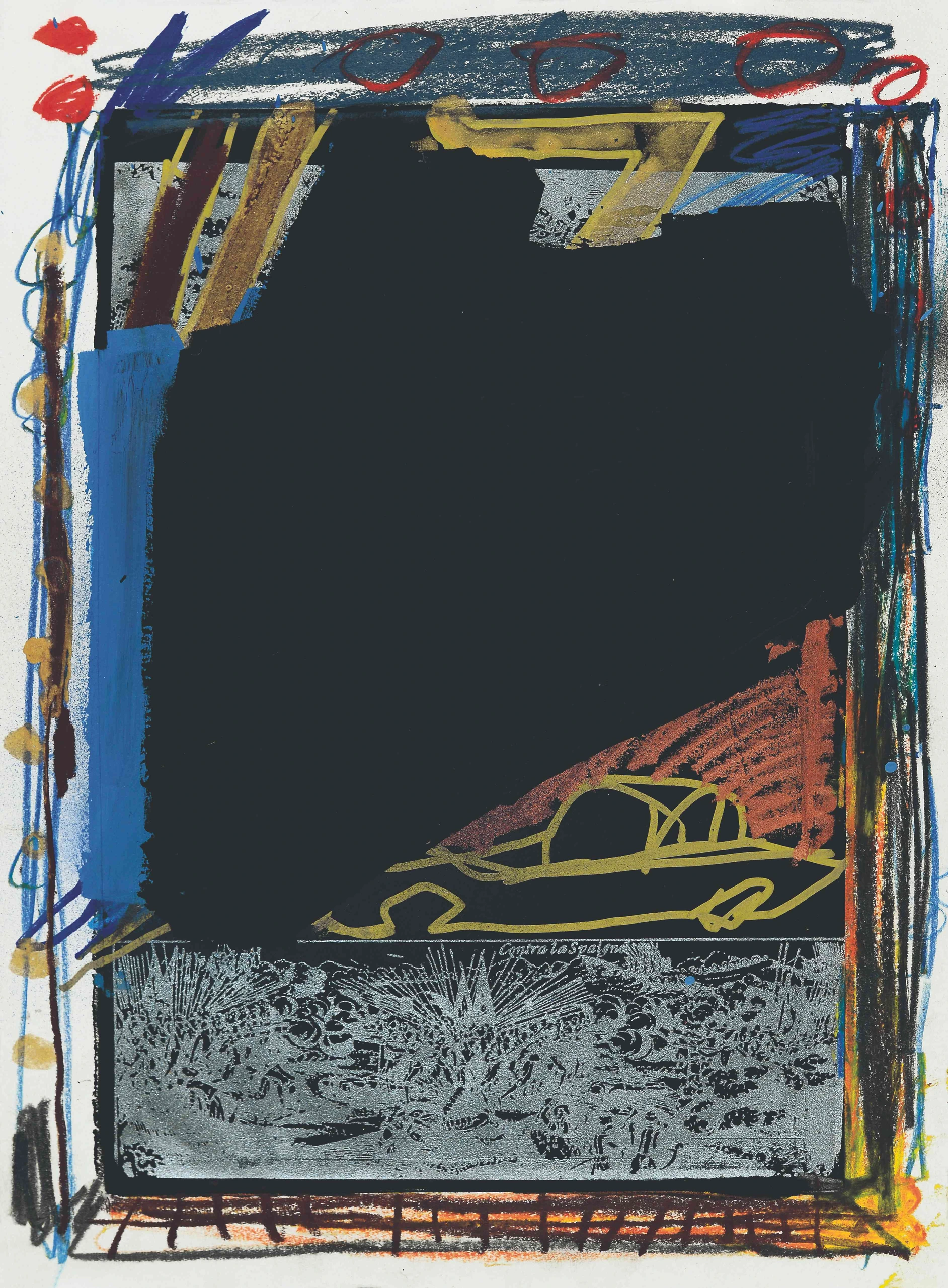
Title
Untitled (Errores Catalogue)
Technique
Mixed media on printed paper
Dimensions
53.5 x 39.5 cm
Year
( 2020-2022 )
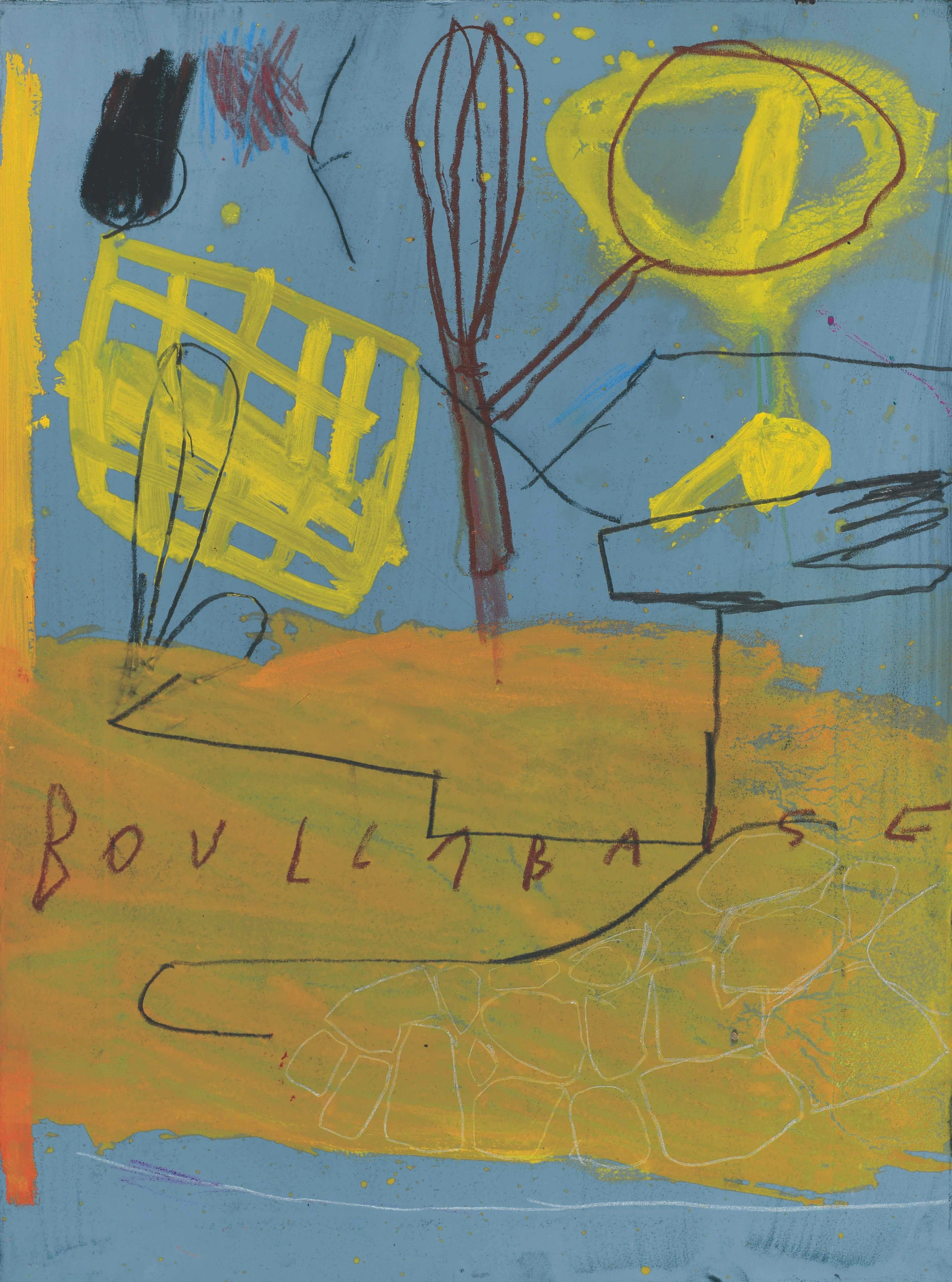
Title
Untitled (Errores Catalogue)
Technique
Mixed media on printed paper
Dimensions
53.5 x 39.5 cm
Year
( 2020-2022 )
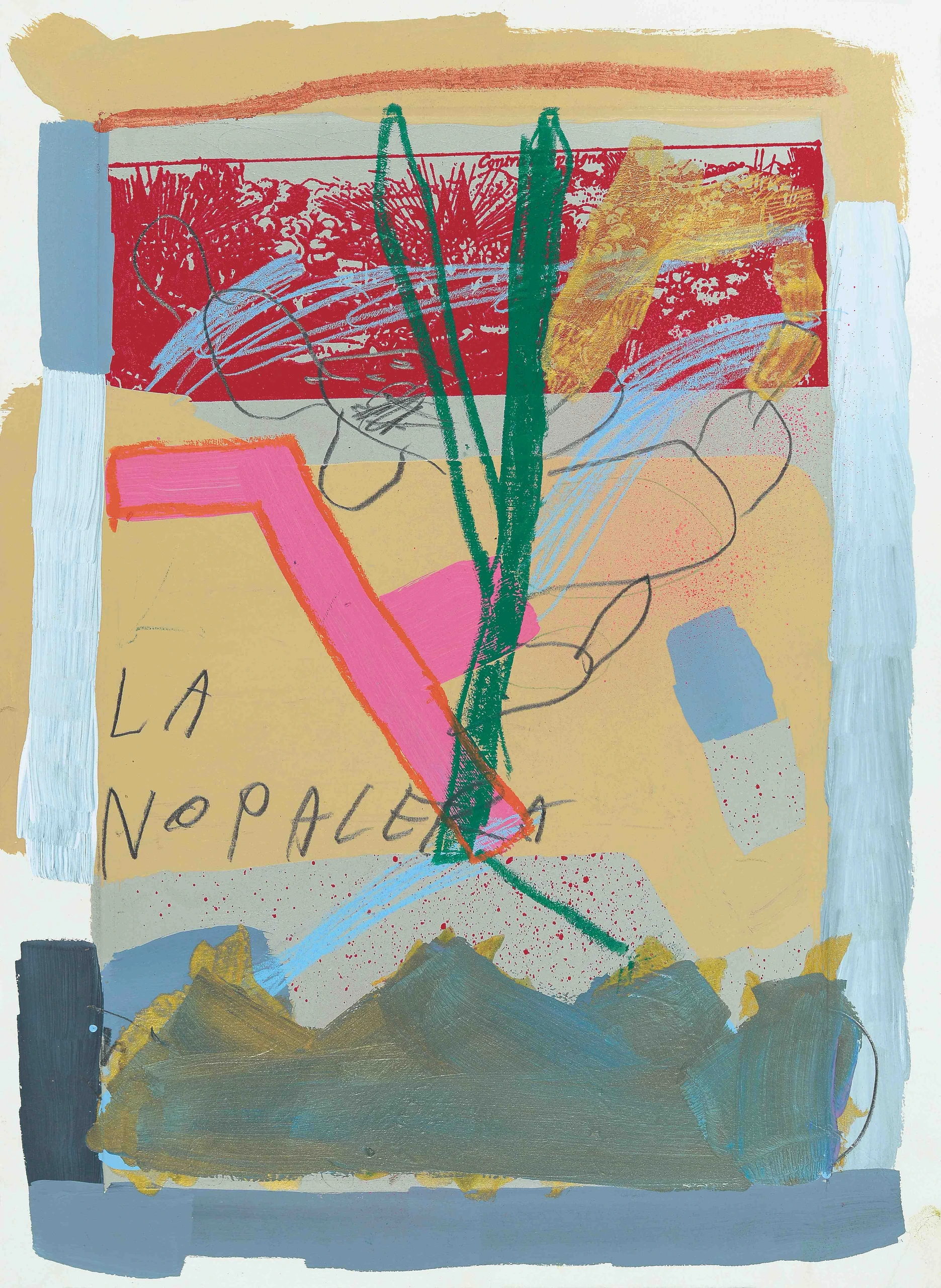
Title
Untitled (Errores Catalogue)
Technique
Mixed media on printed paper
Dimensions
53.5 x 39.5 cm
Year
( 2020-2022 )
Title
Untitled (Errores Catalogue)
Technique
Mixed media on printed paper
Dimensions
53.5 x 39.5 cm
Year
( 2020-2022 )
Title
Untitled (Errores Catalogue)
Technique
Mixed media on printed paper
Dimensions
53.5 x 39.5 cm
Year
( 2020-2022 )
Title
Untitled (Errores Catalogue)
Technique
Mixed media on printed paper
Dimensions
53.5 x 39.5 cm
Year
( 2020-2022 )
Title
Untitled (Errores Catalogue)
Technique
Mixed media on printed paper
Dimensions
53.5 x 39.5 cm
Year
( 2020-2022 )
Title
Untitled (Errores Catalogue)
Technique
Mixed media on printed paper
Dimensions
53.5 x 39.5 cm
Year
( 2020-2022 )

Title
Untitled (Errores Catalogue)
Technique
Acrylic and oil on canvas
Dimensions
200 x 140 cm
Year
( 2023 )

Title
Untitled (Errores Catalogue)
Technique
Acrylic and oil on canvas
Dimensions
200 x 140 cm
Year
( 2020-2023 )
Title
Untitled (Errores Catalogue)
Technique
Acrylic and oil on canvas
Dimensions
200 x 140 cm
Year
( 2022 )
Title
Untitled (Errores Catalogue)
Technique
Oil on canvas
Dimensions
122 x 107 cm
Year
( 2022 )
Title
Untitled (Errores Catalogue)
Technique
Acrylic and oil on canvas
Dimensions
200 x 140 cm
Year
( 2022 )
Title
Untitled (Errores Catalogue)
Technique
Oil on canvas
Dimensions
122 x 107 cm
Year
( 2022 )

Title
Untitled (Errores Catalogue)
Technique
Oil on canvas
Dimensions
183 x 122 cm
Year
( 2022 )

Title
Untitled (Errores Catalogue)
Technique
Acrylic on canvas
Dimensions
200 x 140 cm
Year
( 2019-2024 )
Title
Untitled (Errores Catalogue)
Technique
Acrylic and oil on canvas
Dimensions
305 x 152.5 cm
Year
( 2019-2023 )
Title
Untitled (Errores Catalogue)
Technique
Acrylic on canvas
Dimensions
200 x 140 cm
Year
( 2019-2024 )
Title
Untitled (Errores Catalogue)
Technique
Acrylic on canvas
Dimensions
122 x 80 cm
Year
( 2019 )