2000-09Archive
Of pleasure and other principles in the work of Enrique Ciapara
One might wonder what it is all about. It demonstrates such commitment to putting down pigment and so much time spent doing it, and for what? How might we imagine a purpose to this sustained action? What is it for, this laying watery or dense paint unto a surface of either paper or cloth? Yet, small gestures are performed every day and we do not question them—understated actions like kissing or eating good bread loaded with a small chunk of unsalted butter. So why question the act of painting today in particular?
Is wondering about its function not as absurd as querying what the utilitarian aim of making an extraordinary meal may be?
A strict utilitarian argument evidences the fallacy of these questions.
Beautifully made food tastes better and is more enjoyable; therefore it brings more happiness to those that have the pleasure of savoring it.
For the forefathers of utilitarian philosophy Jeremy Bentham and John Stuart Mills the "greater happiness principle" is the standard by which to judge the grater good of any given situation: an action is ethically correct, or better than another action, in so far as it promotes happiness in all people affected by the situation, and wrong if it brings unhappiness.
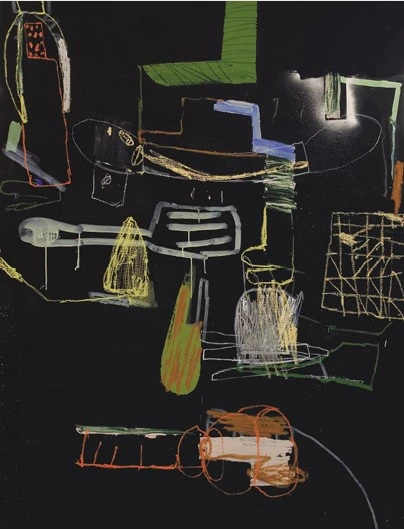
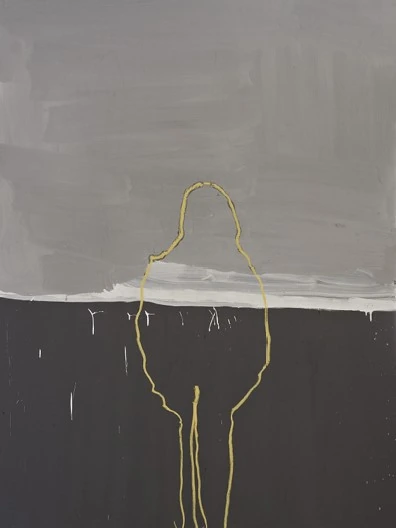
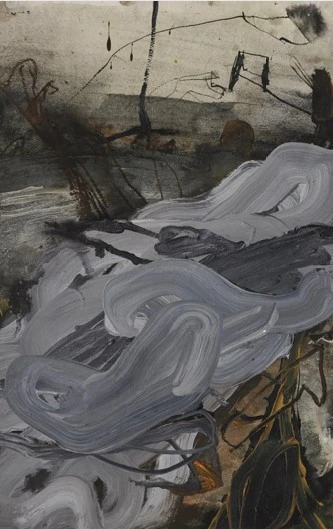
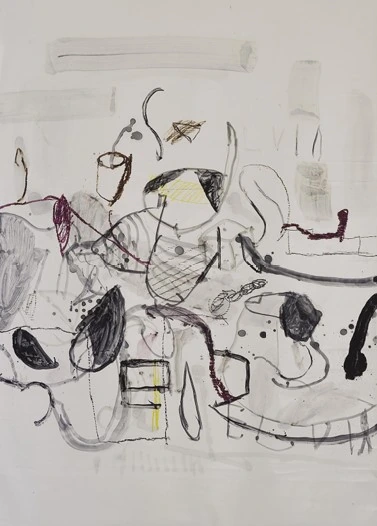
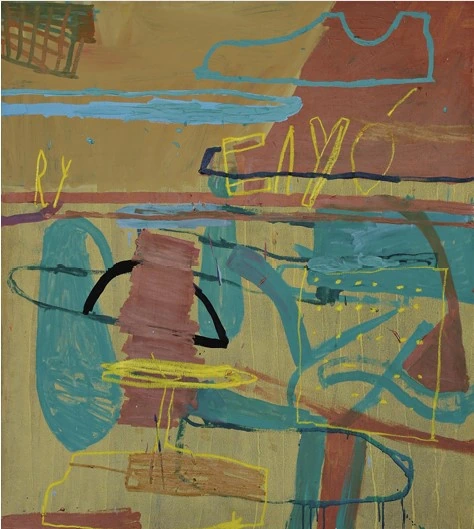
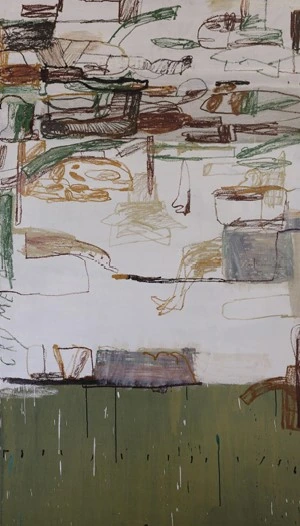
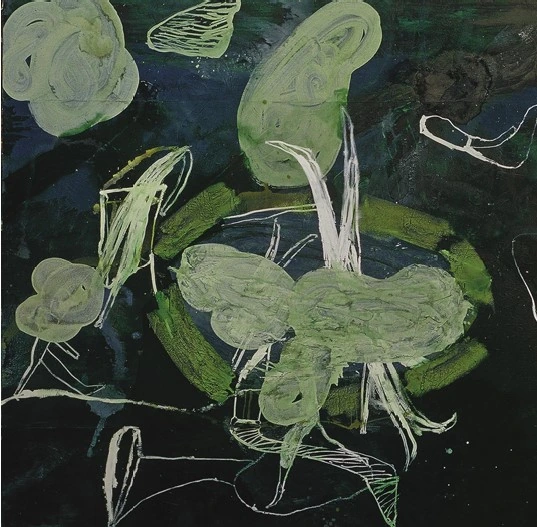
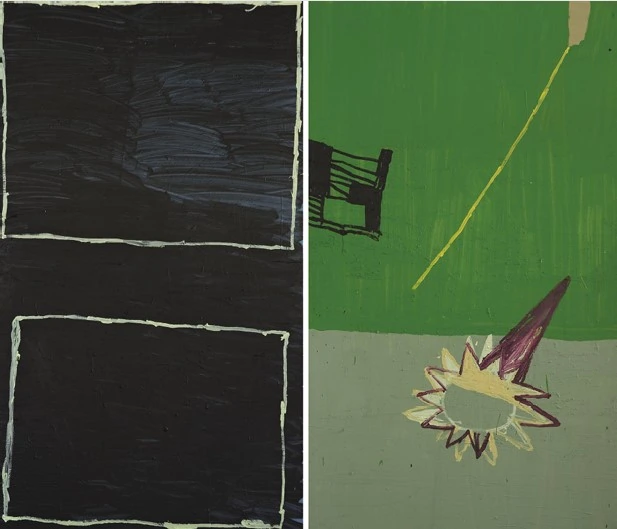
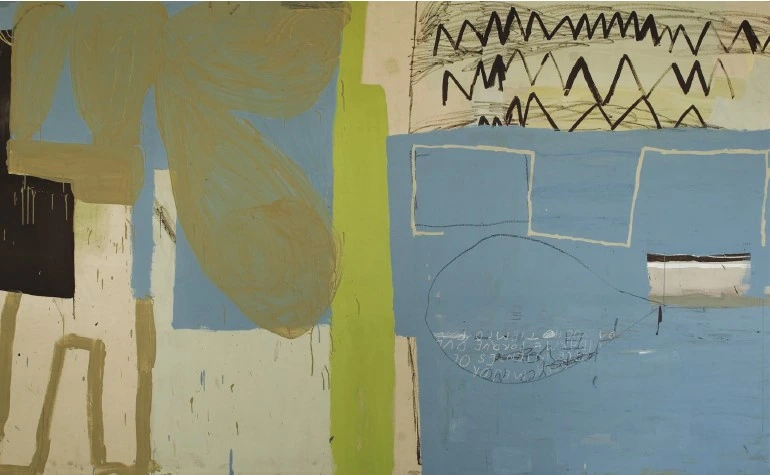
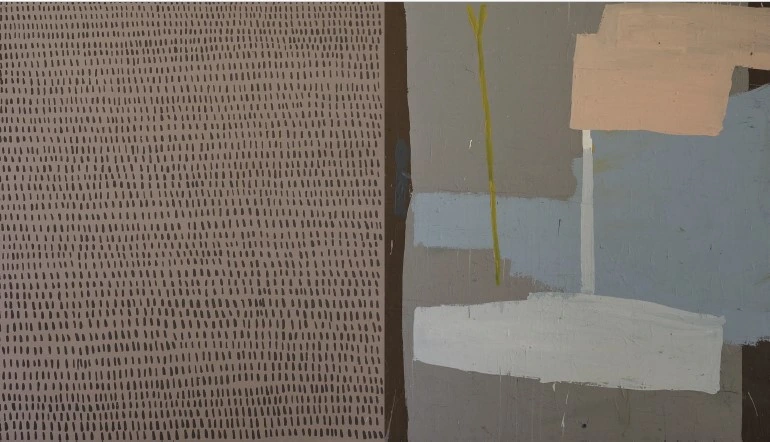
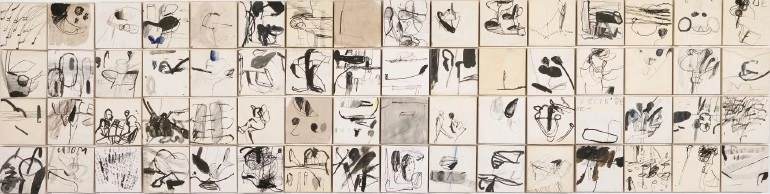
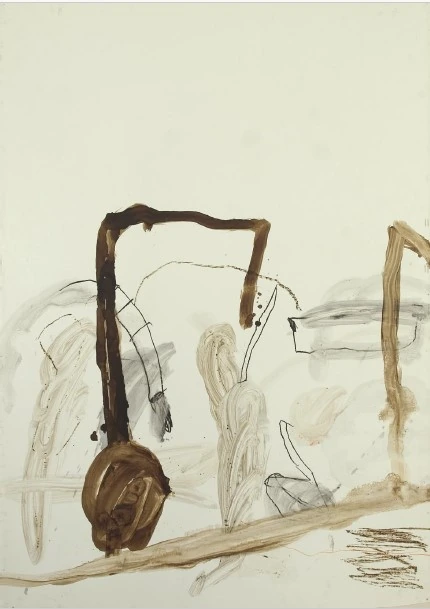
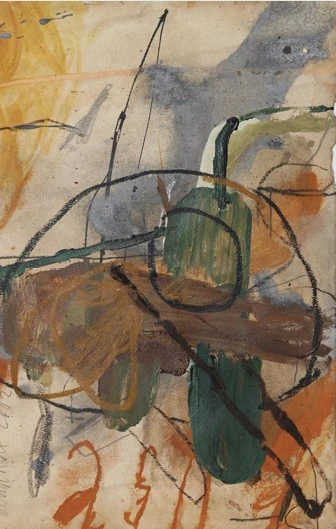
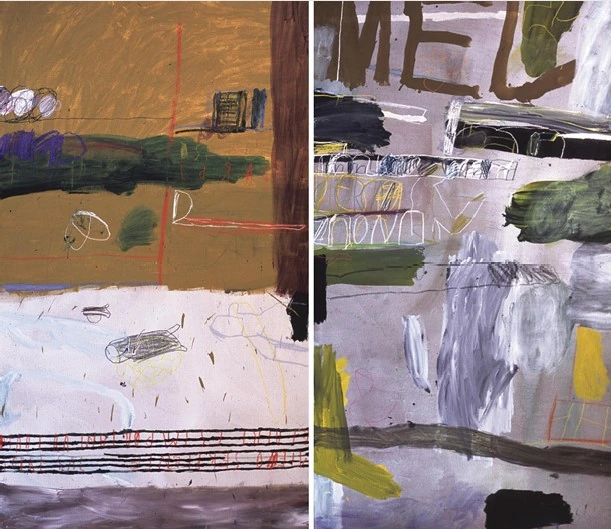
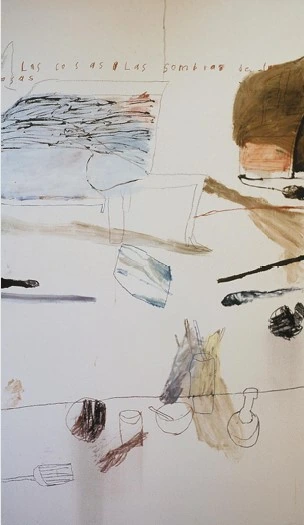
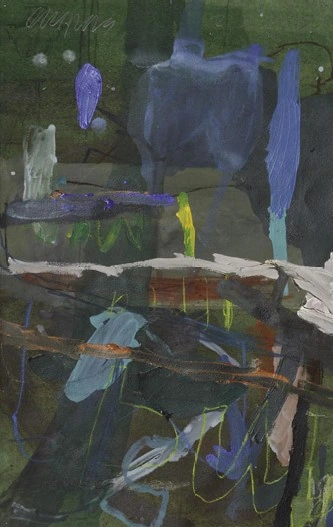
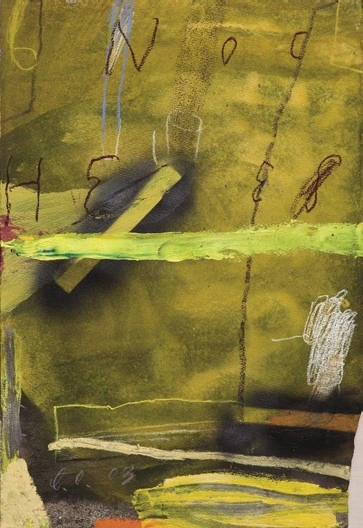
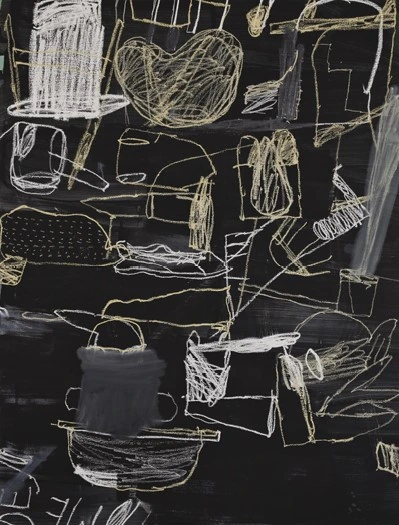
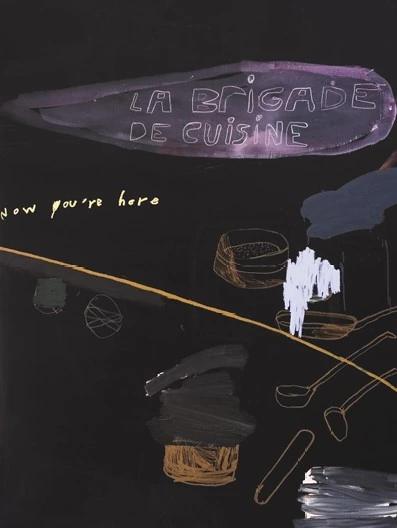
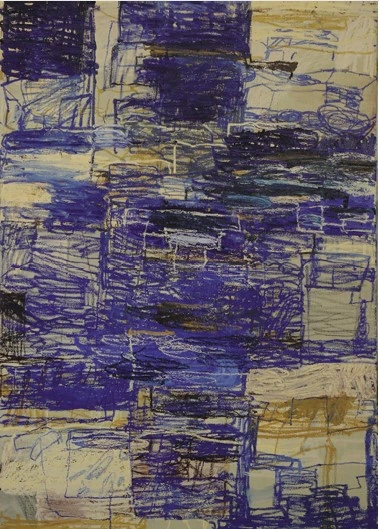
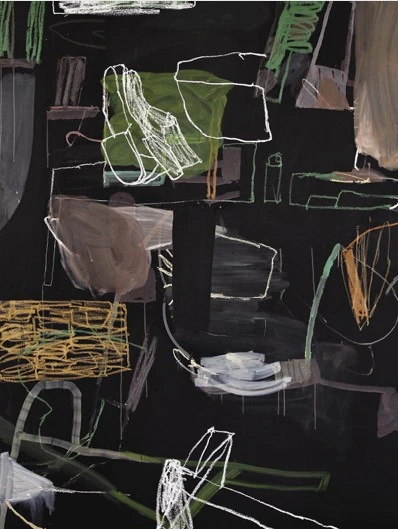
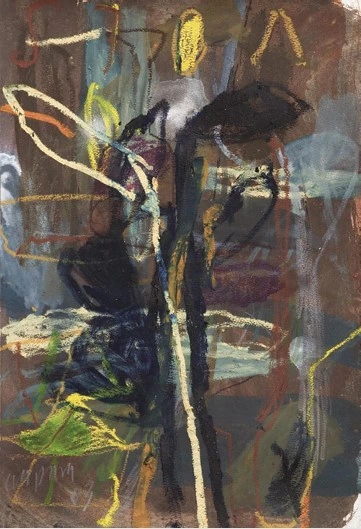
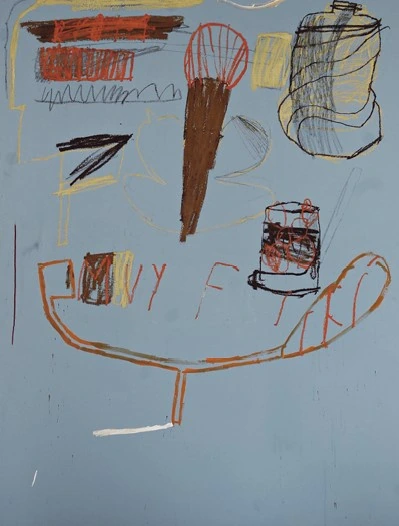
Enrique Ciapara’s paintings give real pleasure. This pleasure is not divorced from the senses but rather dependent on them, and to enjoy his painting is not too far removed from what is experienced during a lovingly made, extraordinary meal. Does this make Ciapara’s painting less relevant, important, or appropriate than other types of contemporary art, such as artwork that is stylistically and thematically refl ective of the grittiness of Tijuana’s urban context—the place where the artist lives and works; or to art practices that are obvious in their political involvement with the social issues that are conditioning life in the North Mexico at the moment?
My questions are purposefully polemical and lead to contradictory but productive responses. If one defi nes contemporary art as testimonial, then it is apparent that Ciapara does not use his brush to diagnose what ails Mexico. He offers no prescription on how to fi x the gargantuan economic and social problems that burden this country. His artwork is devoid of political commentary: It says absolutely nothing about the spread of narco-violence in Mexico, and particularly in Tijuana during the past six years, and does not cash-in on a growing sense of dread at Mexico’s future and its prospects. If what one looks for in contemporary art is a direct refl ection of up-to-the-moment contextual conditions, it is also obvious that Ciapara is not interested in thematically and stylistically utilizing the iconography of urban life at a border town: images of the fence between Mexico and the United States, maquiladoras and their waste, border night-life and its denizens. None of these motifs make it unto his paintings. Not directly, anyway.
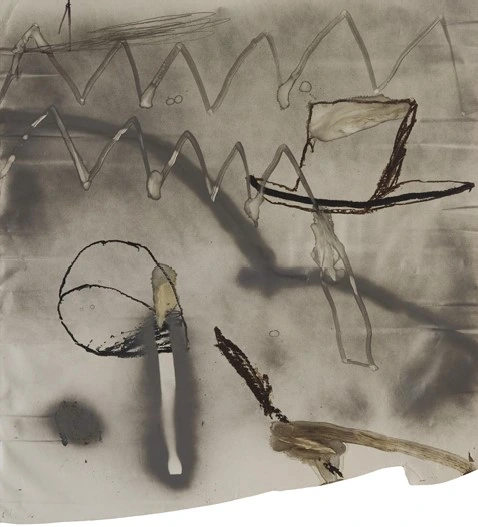
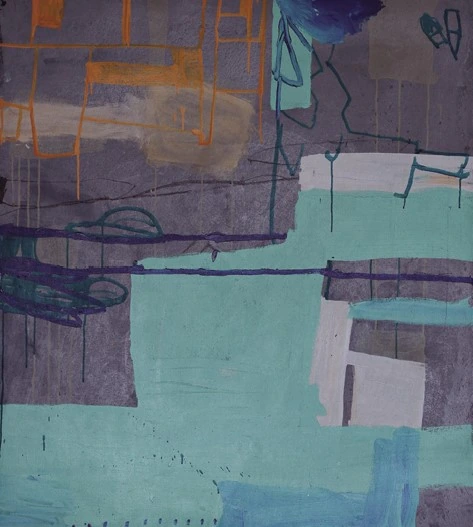
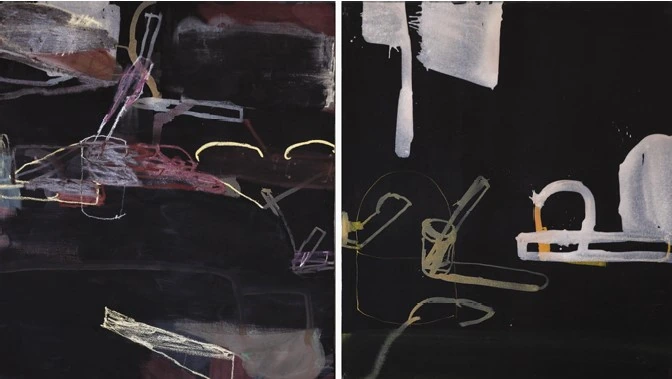
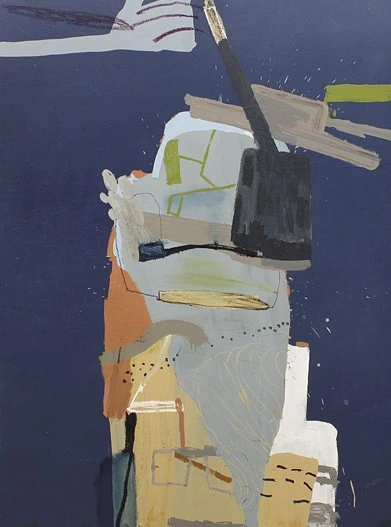
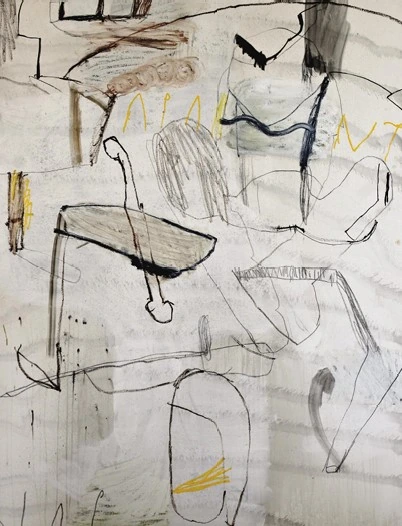
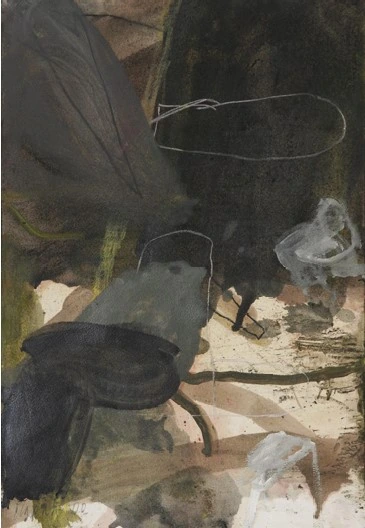
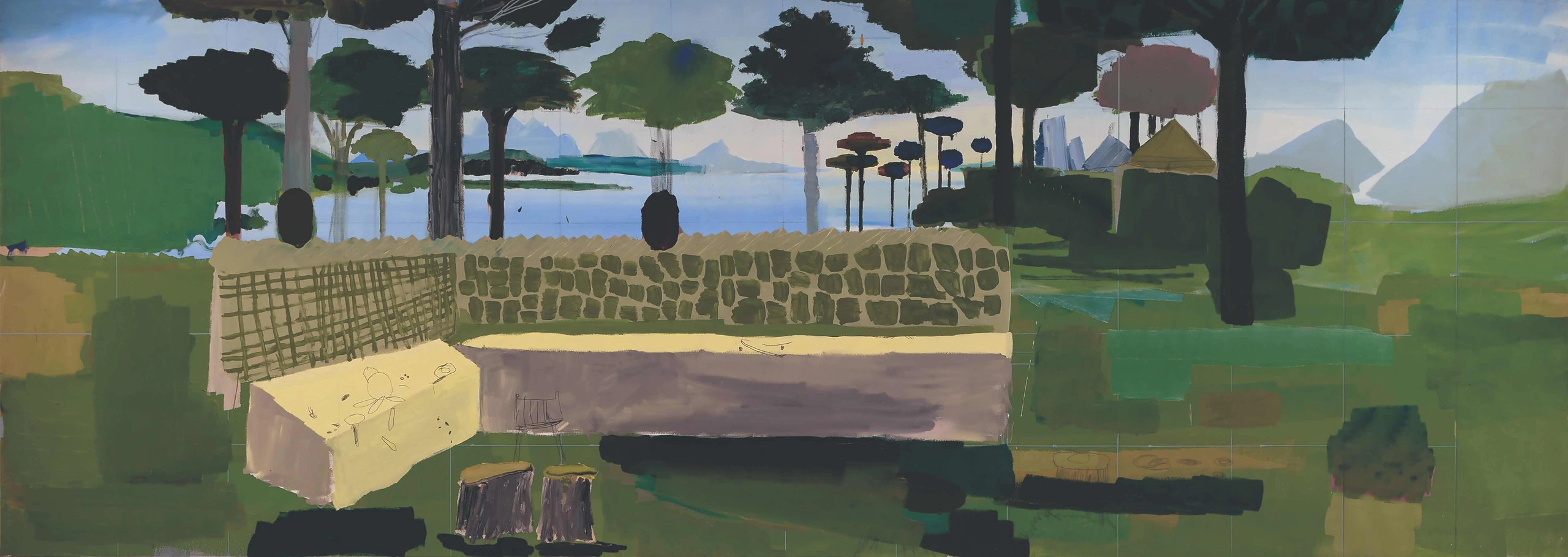
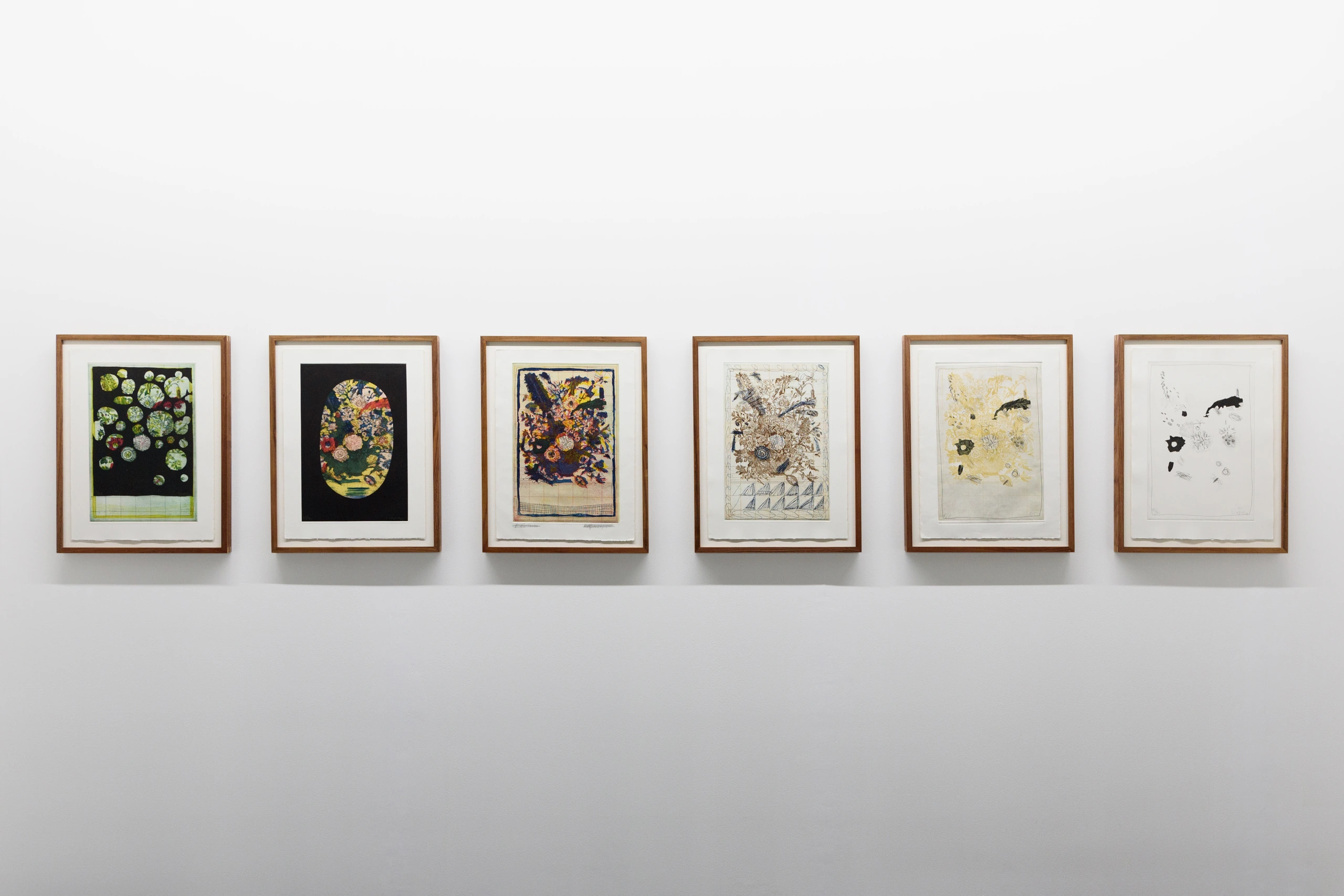
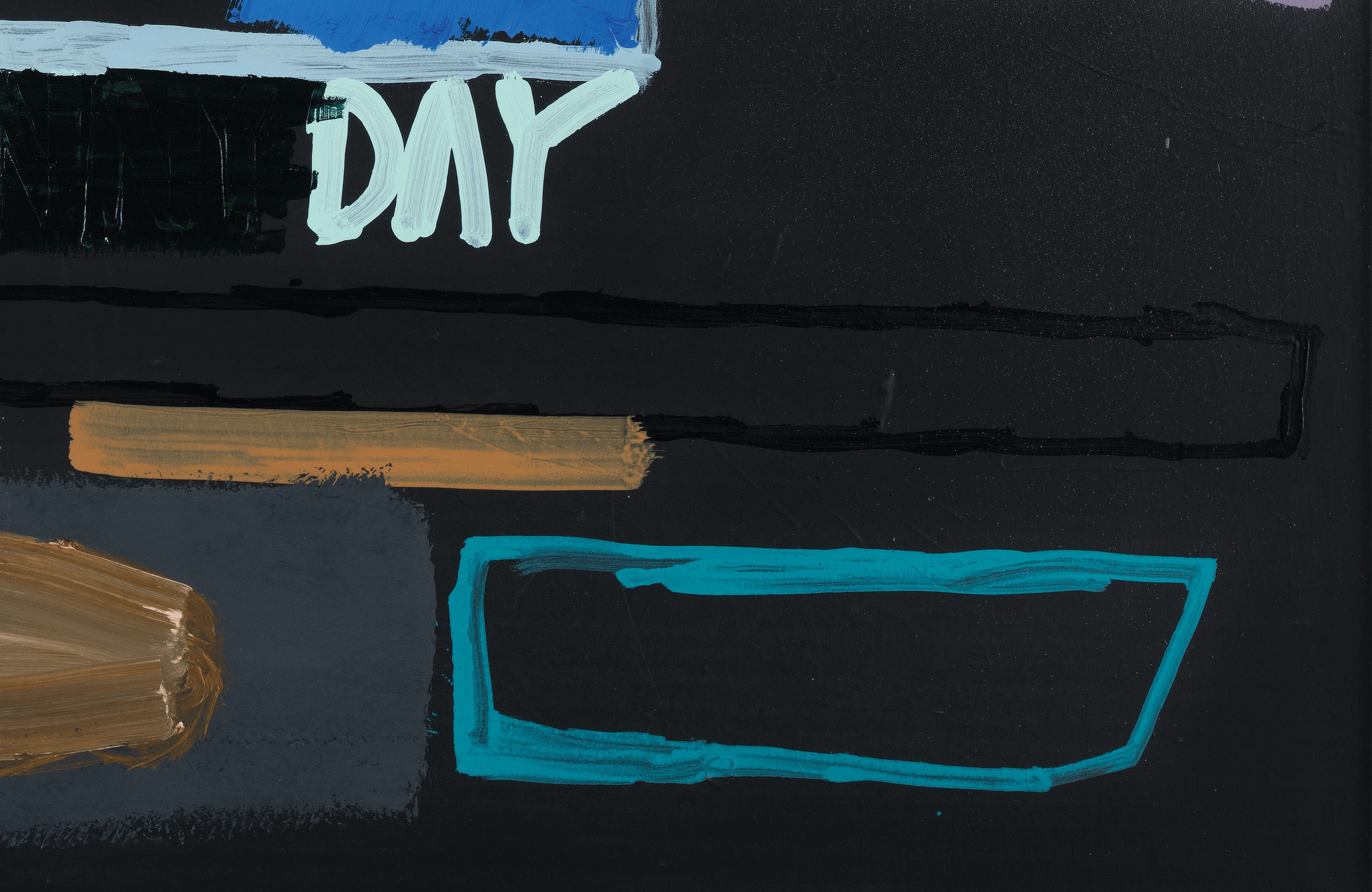
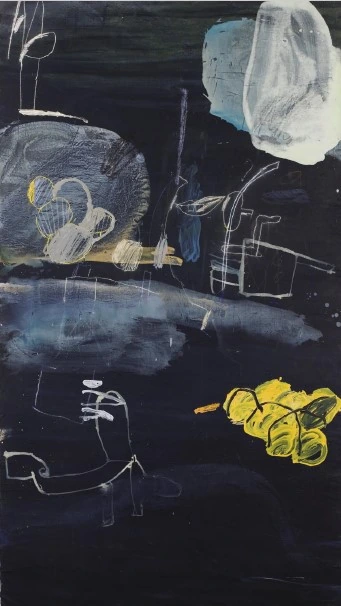
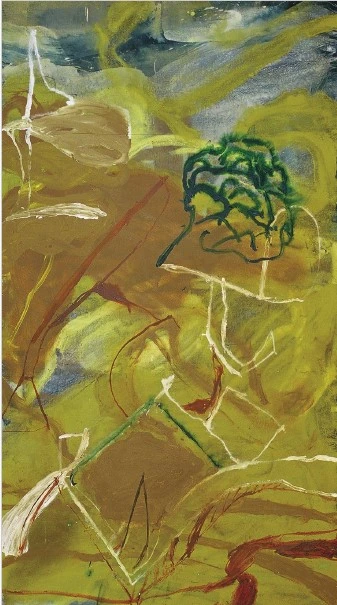
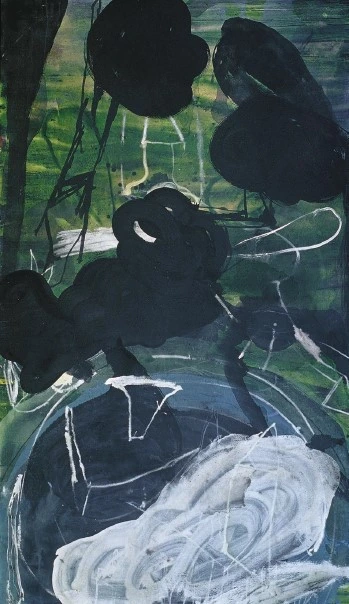
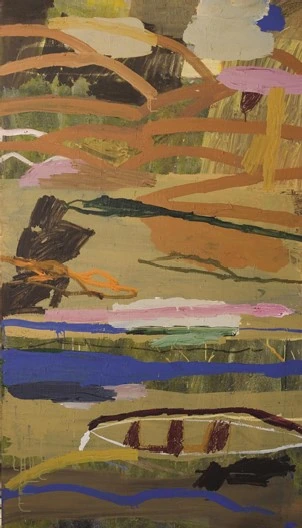
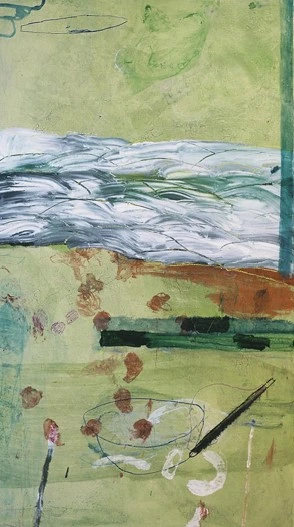
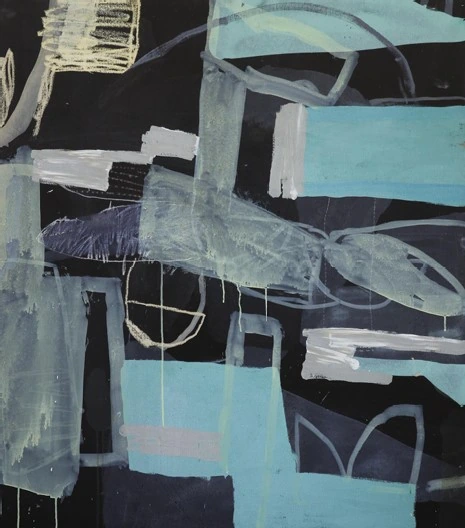
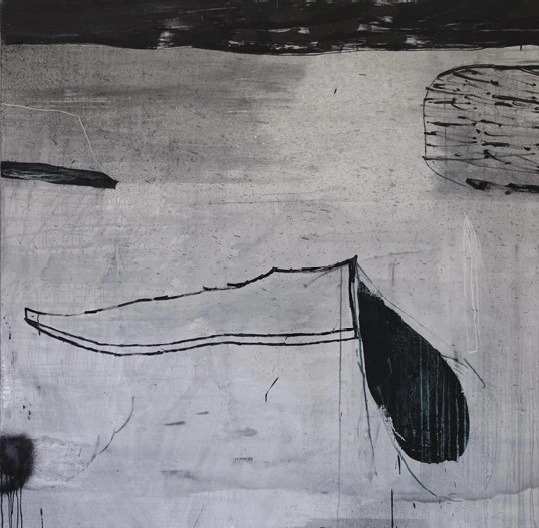
What he offers is a different narrative as startling for its sincerity as for its paradoxical transience. He offers painting. Just that. Painting, but at its best. Good painting is diffi cult to describe with language and one must circle-around it, through metaphor and simile, in order to translate it into text. This may be why it is hard to talk about Ciapara’s painting in a way that feels as materially dense as looking at it in person. What is meant when a painting is described as having "presence" is that the experience of it is as focused and direct, layered and discursive, as if one where in front of something other than an inert object. Only associative phrases approximate the experience. And so, I say that Ciapara’s paintings are lyrical and syncopated like John Coltrane’s Night Train; loose like kids’ doodles but fully aware in their compositional wit; they are natural; and their surfaces express such hedonistic pleasure in the process of their making that there is no space left for nostalgia of painting’s past. This last quality is rare these days, when the genre’s death has been announced so many times that we are past caring for its passing and obituary. Painting for his entire adult life, Ciapara was in his late teens when he began attending the workshops that Spanish painter Luis Moret taught in Tijuana in the 1980s. Closer to Art Informel than American School abstract expressionism, Ciapara’s pictorial language has evolved into an alphabet of markings that express an awareness of painting’s representational origins while not being tied to either realism or abstraction. A linear examination of ten years of production, from 1999 to 2009, shows him to maintain a thoughtful and constant debate with himself about the tension between surface markings and ground; it also presents the artist as an able negotiator between what he wants and what the painting wants. And if earlier the ground sometimes seemed to oppose his will to maintain a self-conscious disorder upon the surface, over the course of a decade Ciapara knows exactly when to control his fl ickering marks, and when to loose them to the inherent desire for modernist painting to reach towards fl atness. Sometimes reminiscent of Cy Twombly and at others of early Philip Guston, Ciapara is most himself when he is at his most hedonistic—when pleasure guides the pictorial decisions being made in real time, in the studio.
Pleasure is related to the feeling of happiness, of beauty, and of satisfaction, but is different from these in that it seeks nothing other than itself. One can sense the pleasure principle guiding Ciapara’s painterly decisions in the same way that one can sense pleasure guiding a great chef in making a particularly delicious feast. Both lead to a feeling of fi nding in the familiar the acutely out of the ordinary—a feeling of elation not so much related to the shock of the new but rather to the delight that comes from recognizing something is good.
Which returns us to the beginning: what is the good of Ciapara’s painting? The good of it lies, I believe, in that it gifts us with a deeper sort of pleasure, one that is related to a sense of fi nding order in a world increasingly in disorder while also expressing, with some courage, an implicit belief in painting to articúlate and communicate happiness.
Ciapara’s persistent return to pleasure, even amidst a social order that is intent on dissolution, is neither banal nor ornamental, but evidences one more form of resistance.
Lucía Sanromán
June 2011


 mixta sobre tela 183x 152 cm 2009.webp)